
How to spend 2 days in Hualien, Taiwan
During our whirlwind Taiwan trip we had two days in Hualien. This is definitely not enough time to see all that this cute coastal region has to offer, but I’m glad we were able to visit nonetheless.
We traveled to Hualien via train from Taipei, which took about 3 hours. As we had been eating Taiwanese breakfast for the past couple mornings, this time we opted for a fun on-the-go version courtesy of 7-11. I love the 7-11’s (or, as the locals call it, just “7”) here in Taiwan! We got a couple of tea eggs, an instant ramen to make on the train (I was particularly excited for this part as there are so many more delicious varieties here in Taiwan especially compared to what you can find in the States), and some unique beverages. The drinks section is undoubtedly my favorite part of any convenience store in Taiwan- there are so many teas, coffees, juices, beers, and interesting beverages that you can only find here. And they are all super fresh and super cheap, expect to pay $1 USD for even the fancy selections. I was feeling adventurous and chose a watermelon milk and green tea latte. Watermelon milk sounds like an odd concoction, but it was perfect.

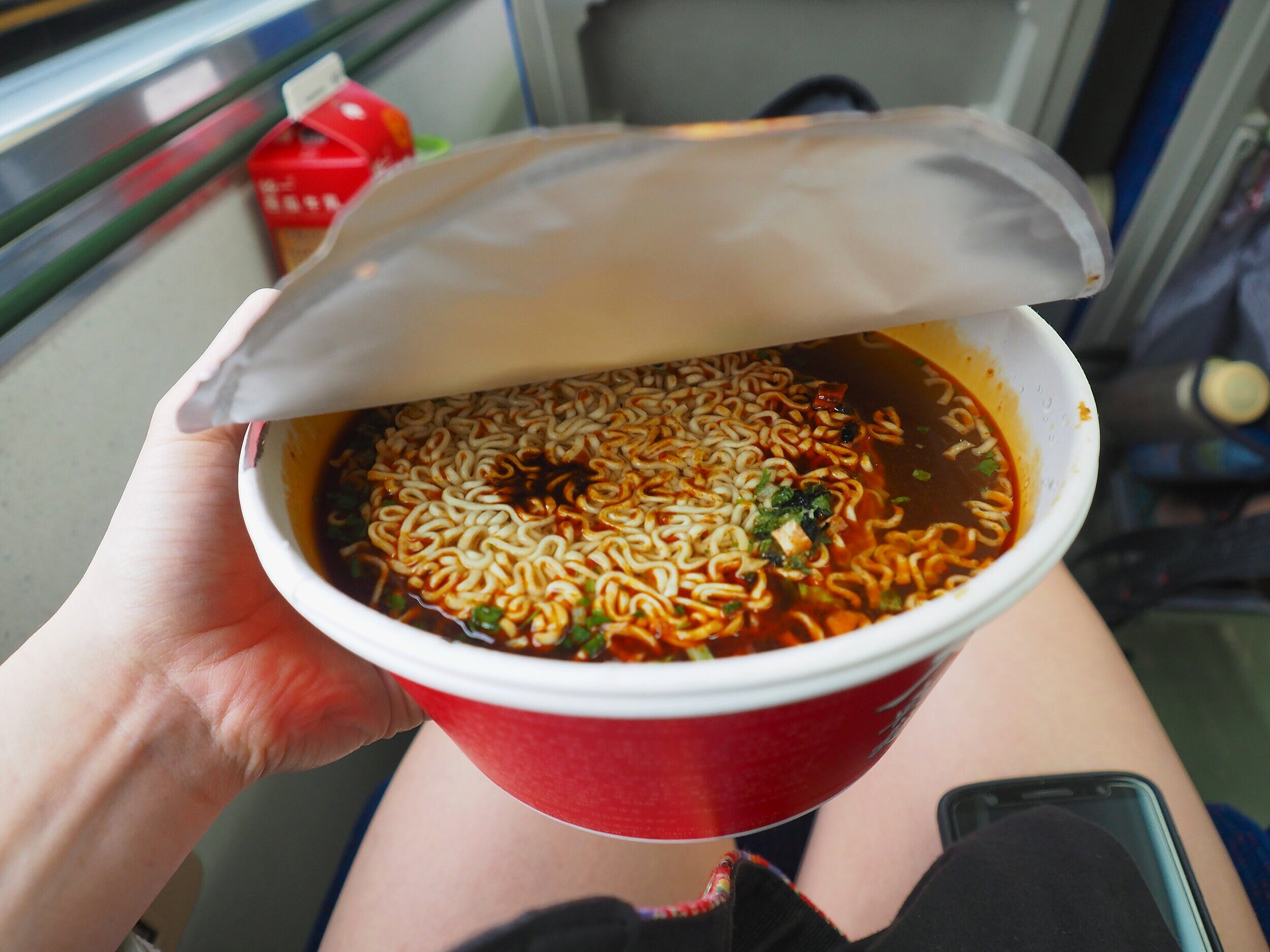
The train ride was quite enjoyable and scenic, passing through mountains and coursing along the coast. The ride didn’t feel like 3 hours at all!
Upon arrival in Hualien, we were picked up by our tour guide, who would drive us around for the day. Our first stop was Taroko National Park (or Tai Lu Ge in Mandarin), which is the must-see destination in this part of Taiwan. Taroko National Park is named after the Taroko Gorge, a vast and stunning marble gorge carved into the mountains by the Liwu River. The striations of the stone and softly rushing river beneath were mesmerizing!

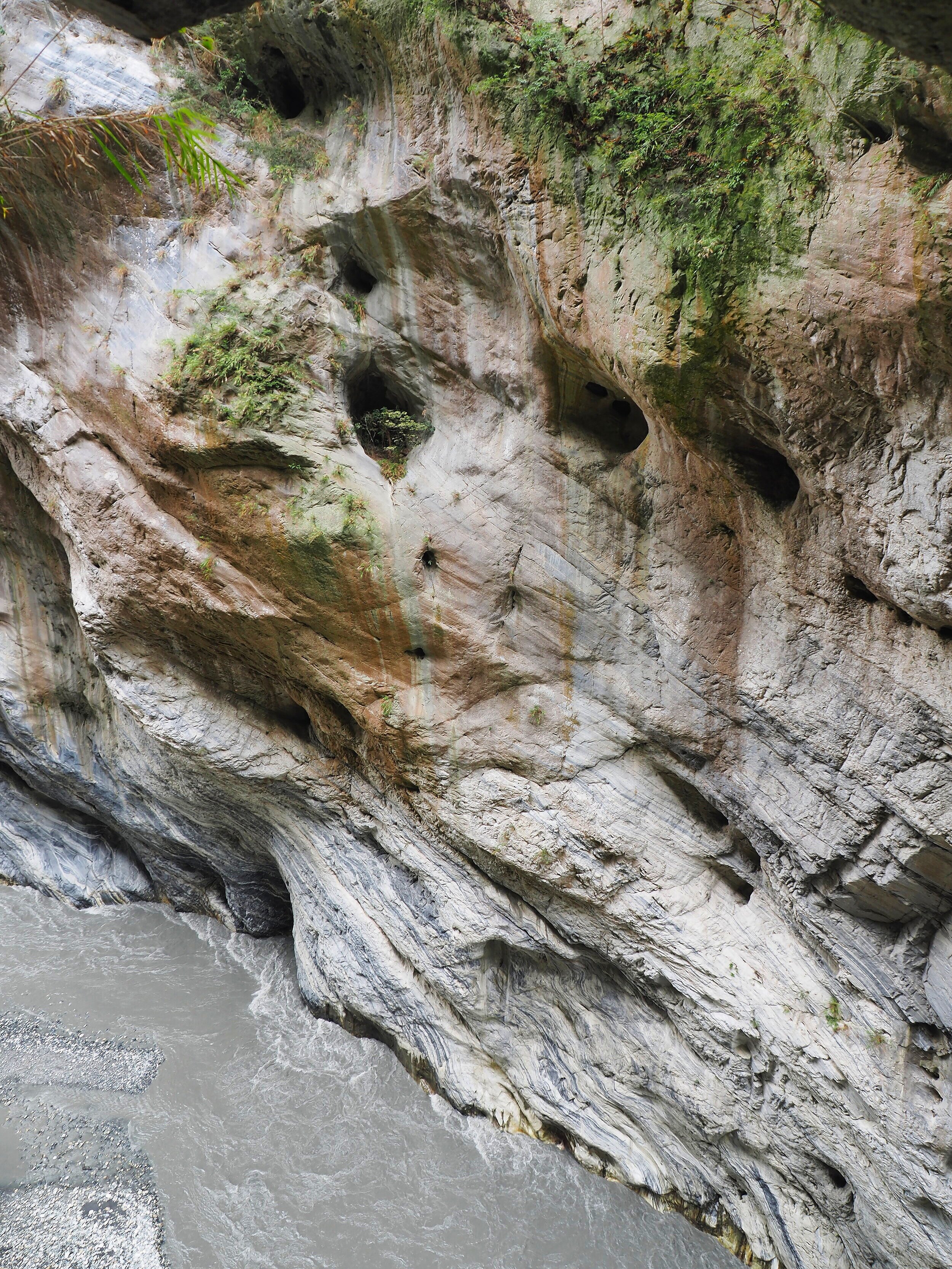
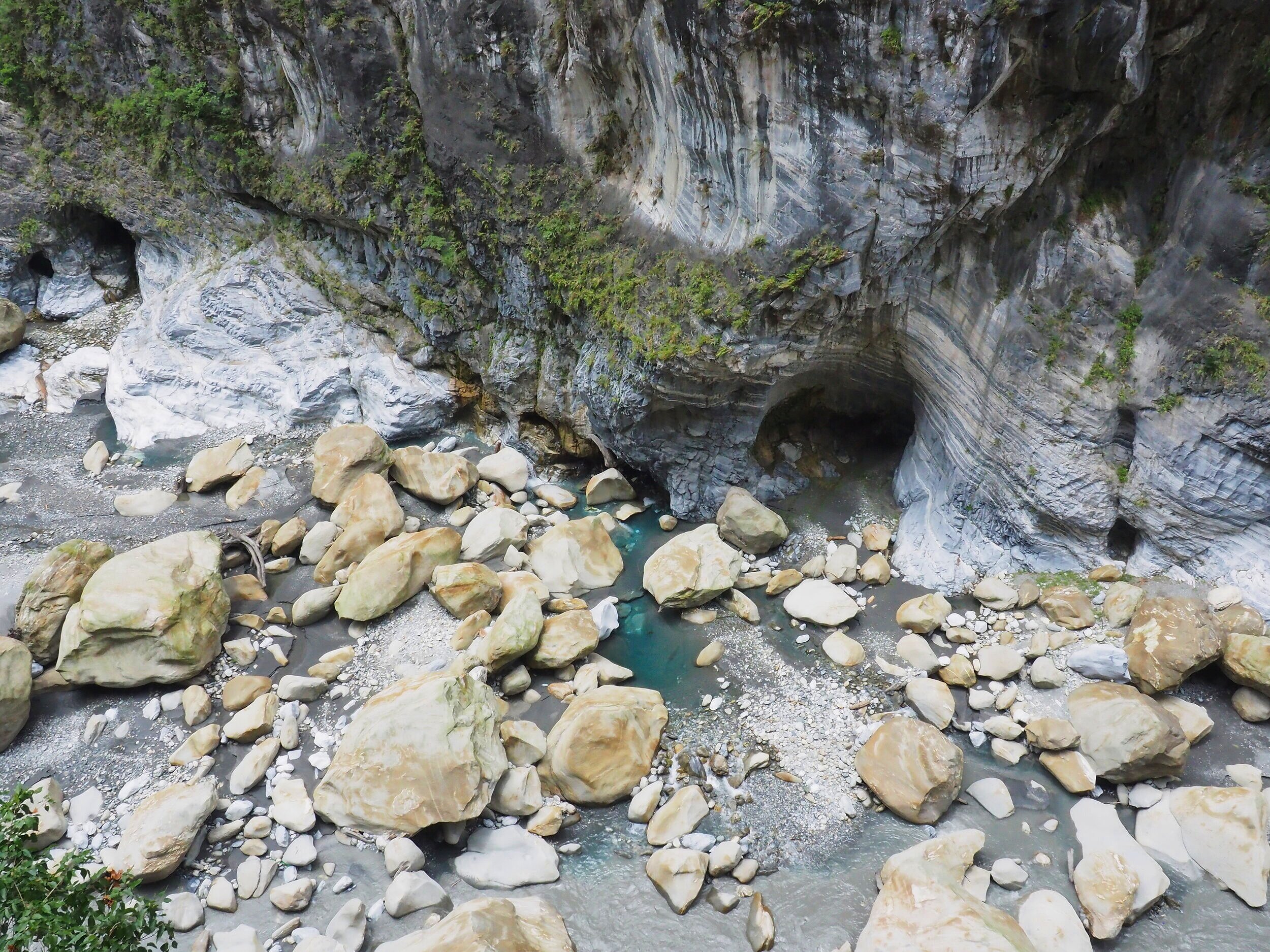
Taroko National Park also has a hand in the history of road building through the mountainous terrain of Taiwan. The Central Cross Island Highway was built in the late 1950’s. It was the first road traversing these mountains to connect the eastern and western parts of Taiwan, and was constructed by military veterans using explosives to tunnel through the mountains. The Chang Chun (Eternal Spring) Shrine was built to commemorate the 226 veterans who died during the construction of the road.
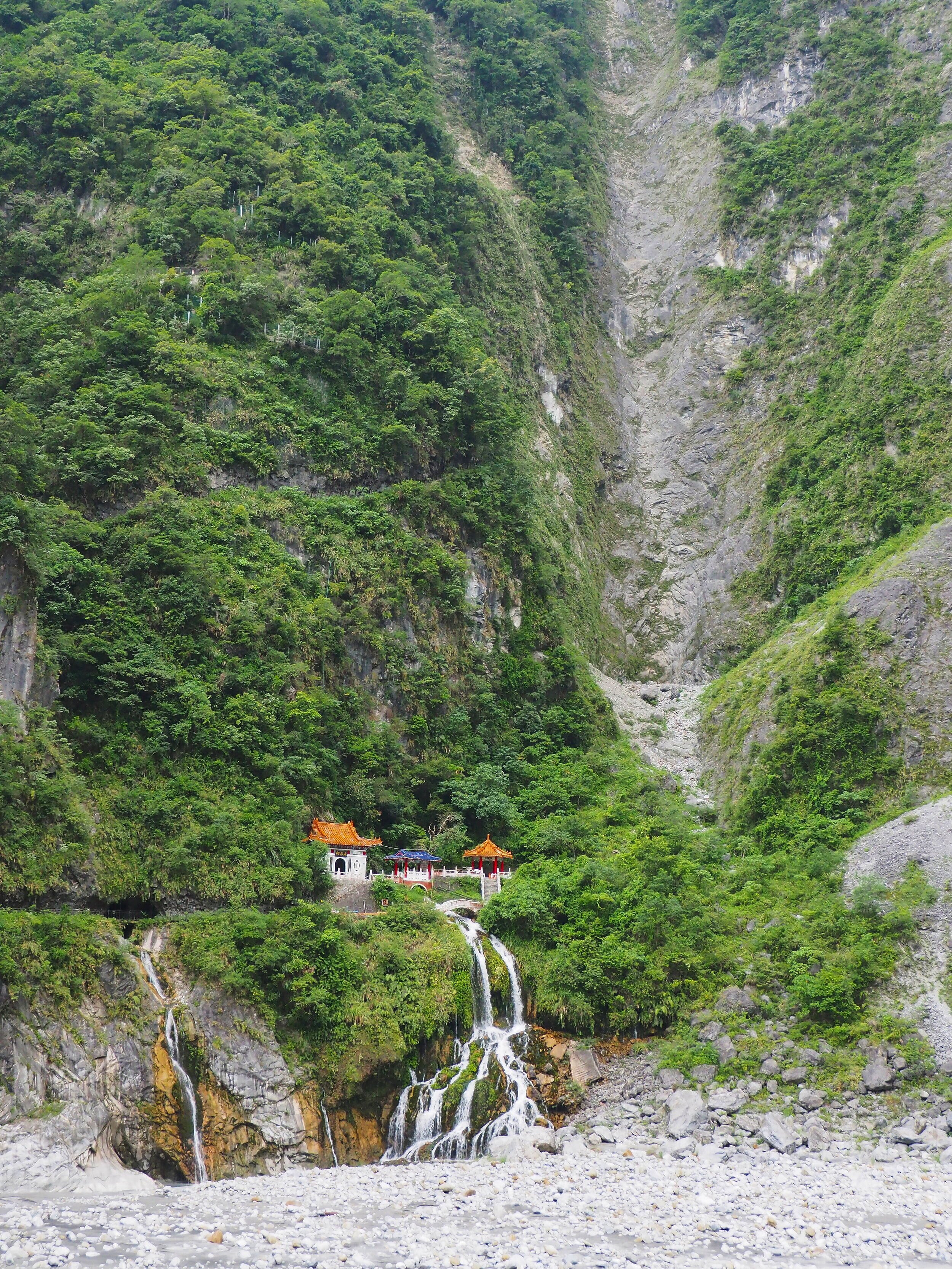
There was much more of Taroko National Park to see, but we had to move on to our next destination. If you come to Hualien I would recommend allocating 2-3 days so you can see as much of it as possible! Every spot we stopped at was breathtaking. It’s probably best to rent a motorbike (if you’re comfortable riding one), hire a driver, or join a tour group to take you to all the sights in Taroko National Park, as the attractions are too far apart to walk between. Our particular “tour” was more of a private driver as we were the only people in the group!
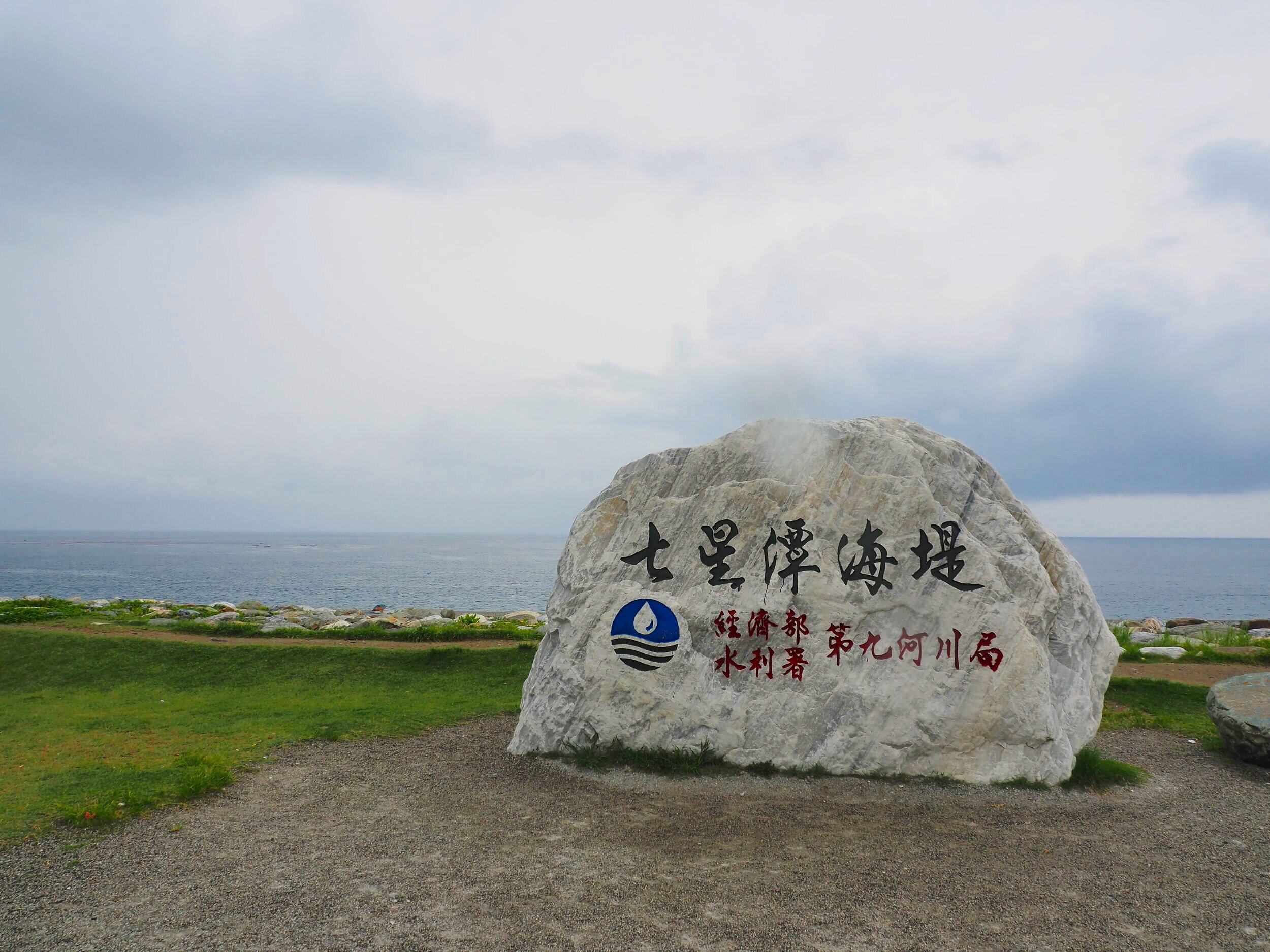
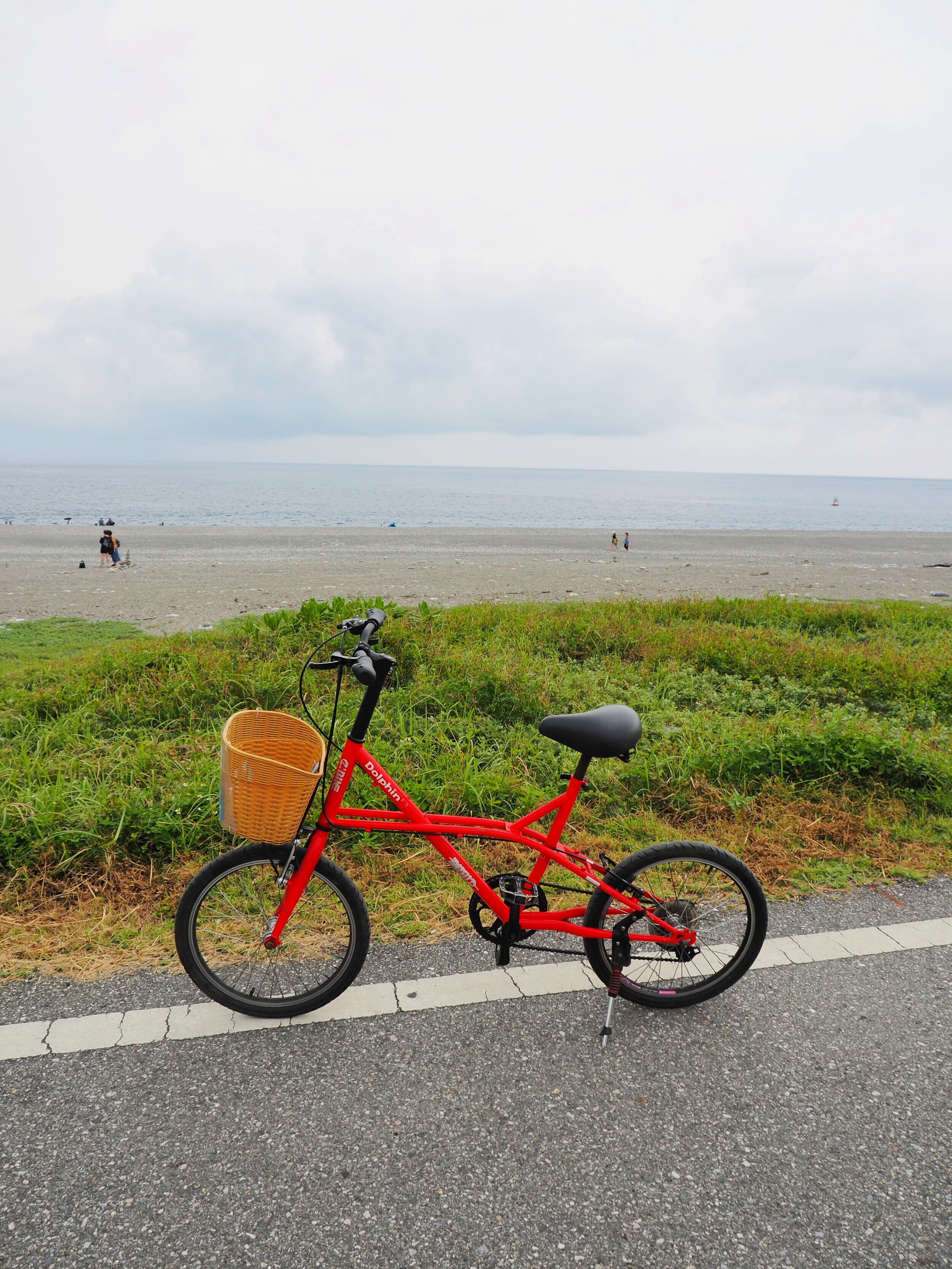
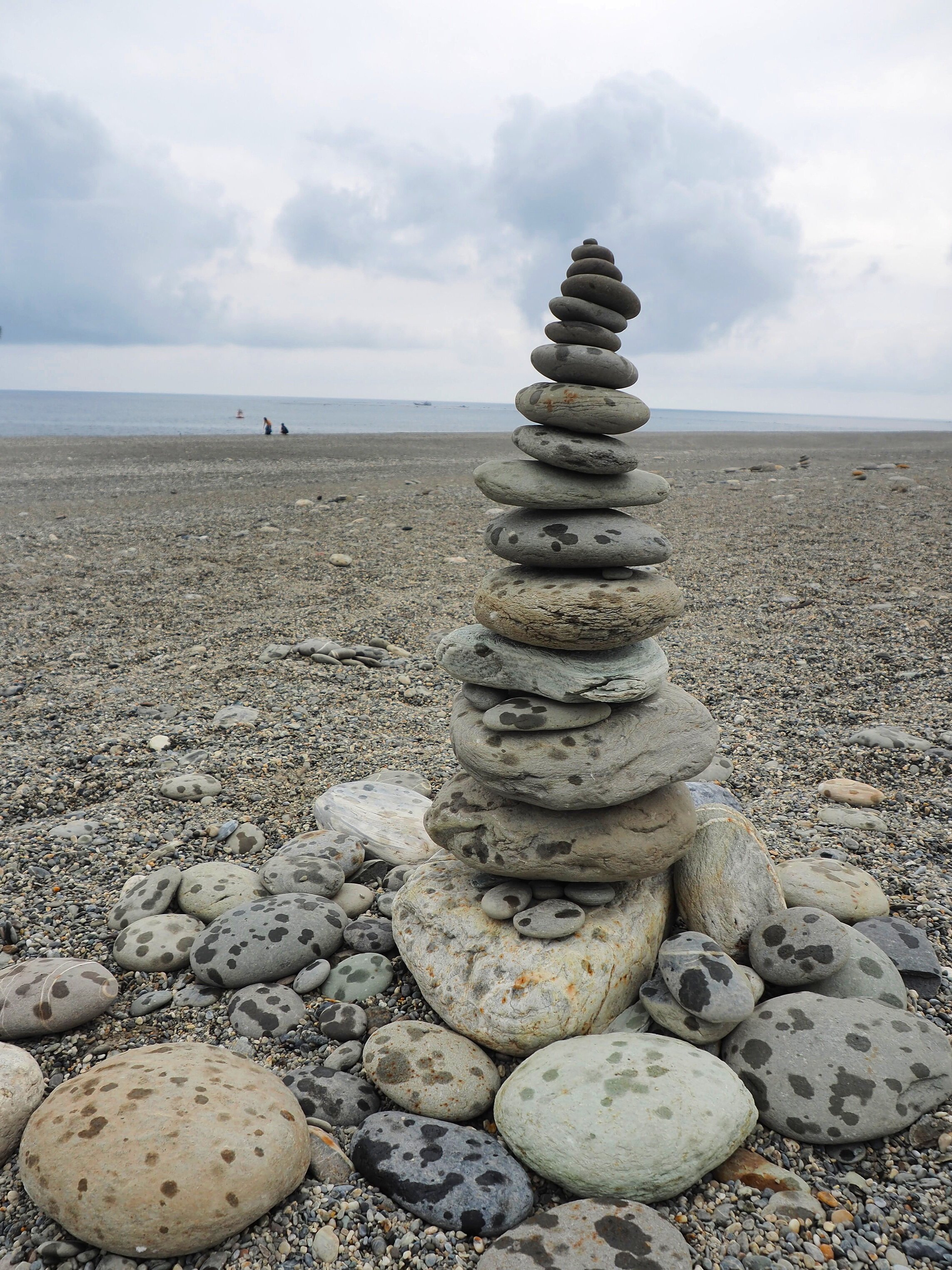
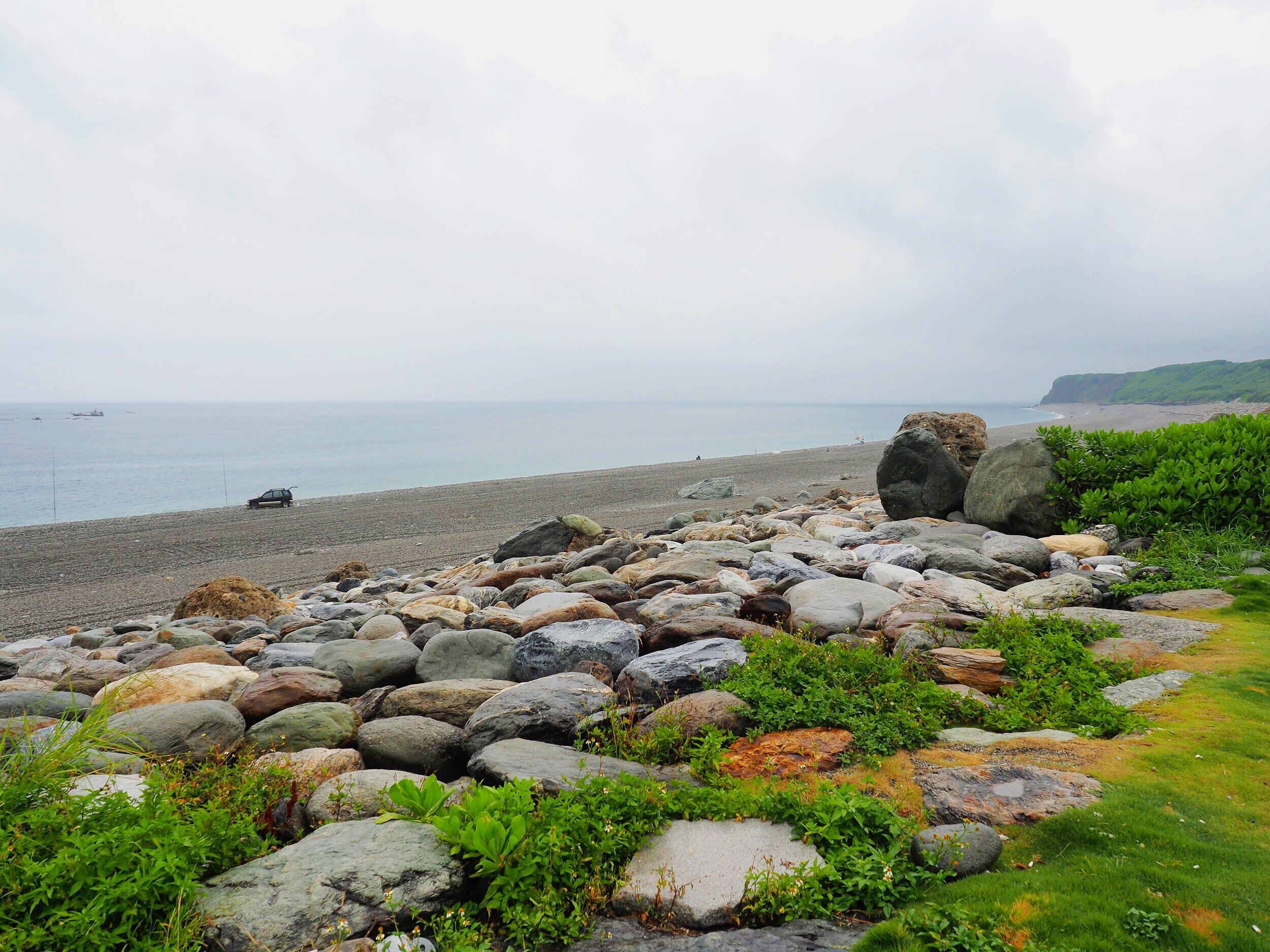
After leaving Taroko National Park, we were off to Qi Xing Tan- a gorgeous pebble beach hugging the Pacific Ocean on Taiwan’s east coast. The weather wasn’t quite cooperating at the time- it was intermittently alternating between misting to light spitting to outright rain. However the rain actually made us more comfortable as it took away some of the mugginess and cooled us off. I’d recommend renting a bike and riding along the coast, which we did and thoroughly enjoyed despite the rain. You can rent a bike for 150-200NTD (around $5-7USD) for unlimited time. The bike/walking path is fully paved and a very easy ride. The rain made our views of the ocean more gray then the usual clear blue, but it also made the distant mountains misty and extra dreamy. The bike path leads to a central area populated by several street food carts, where I had a snack of “da chang bao xiao chang” (translates to “little sausage wrapped in big sausage”). It’s like the Taiwanese version of a hot dog, and I much prefer this option! A chargrilled sweet and savory aboriginal pepper sausage is nestled inside a “bun” made of a sliced open larger sausage of fragrant sticky rice, and topped with chili sauce and pickled greens. It’s absolutely delectable.
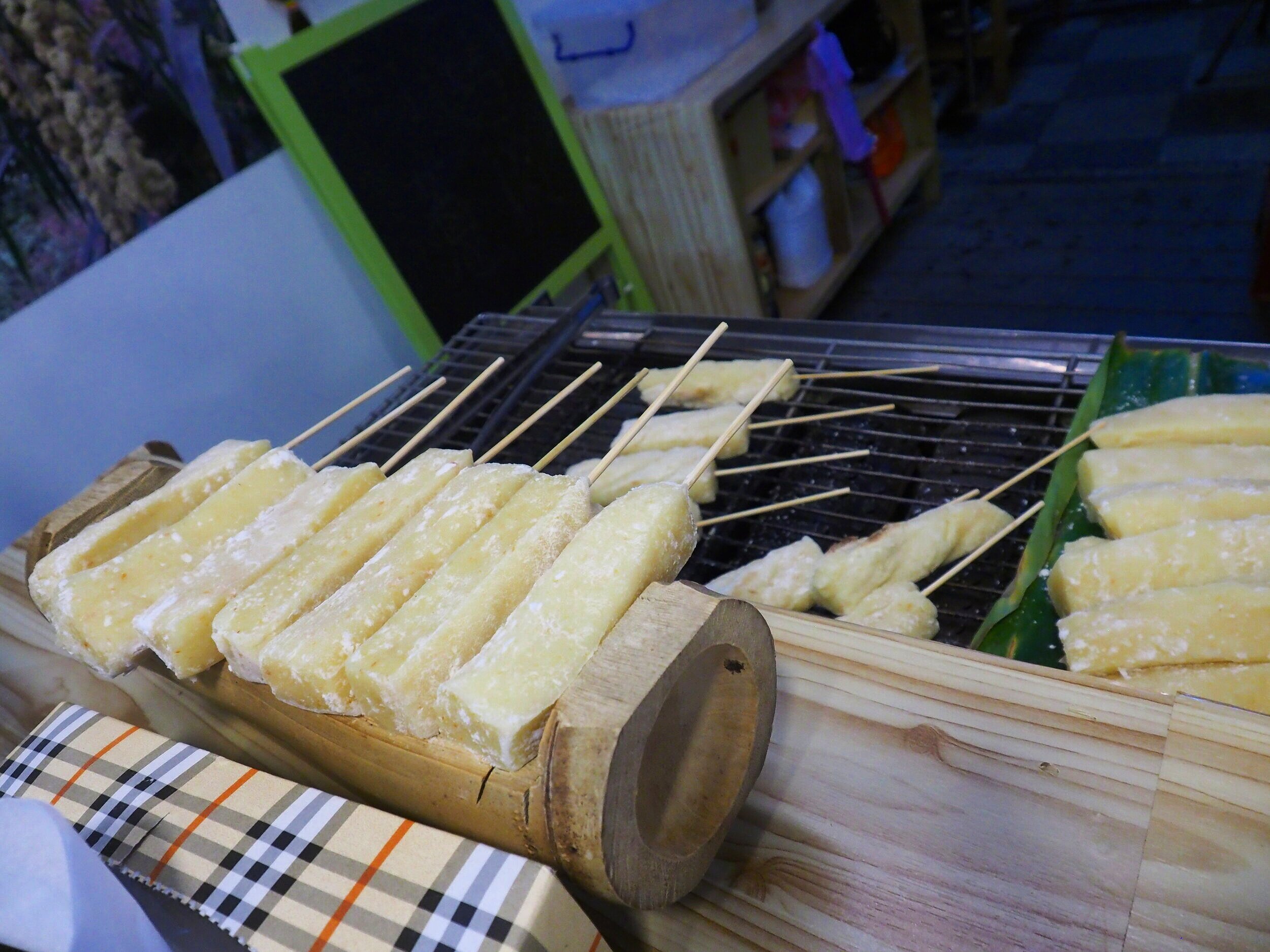
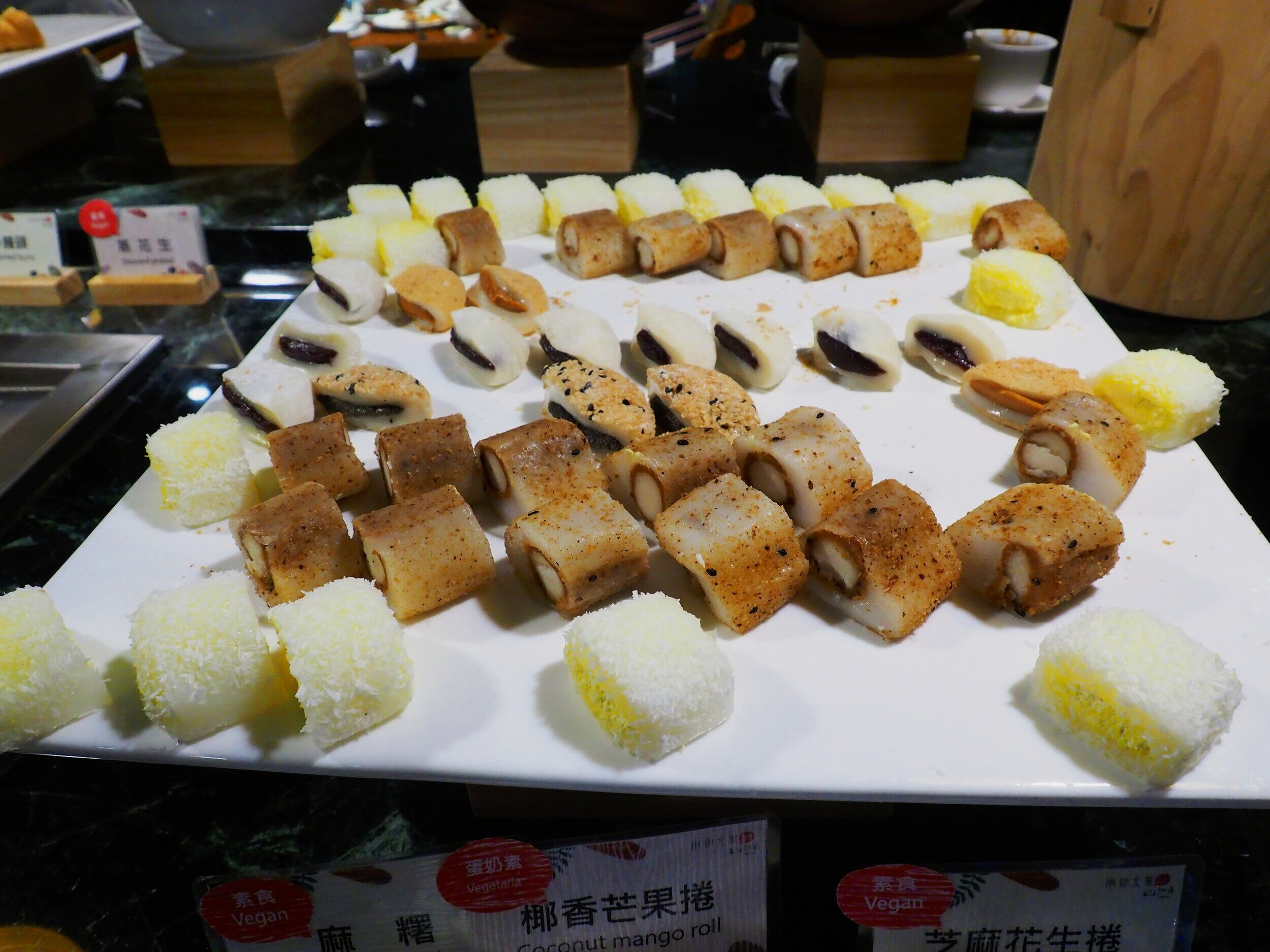
We finished off our night with dinner at the Tung Ta Men Night Market. The area is known for their xiao mi (“little rice”) so I was happy to try several rice-based and mochi snacks featured here. This market also differed from the other seemingly countless night markets throughout Taiwan in that it felt more like a carnival or fair. There were rows and rows of games where kids (and kids at heart) could shoot arrows at balloons, toss balls into hoops, etc. to win prizes. Lovers of Asian claw machine games (shoutout to my sister!) would feel right at home at this night market. There were also multiple stations of live music, with singers performing amplified acoustic versions of Chinese pop songs. Groups of friends and family would bring their dinner and drinks to small tables around the singers to enjoy the live entertainment. It all made for a very enjoyable and light-hearted atmosphere that readily contrasted with the crowded and almost anxious bustle of many of Taiwan’s other more food-centric night markets.
Taitung and Liyu Lake
Our next day was spent driving south between Hualien and Taidong, stopping at scenic spots along the way.
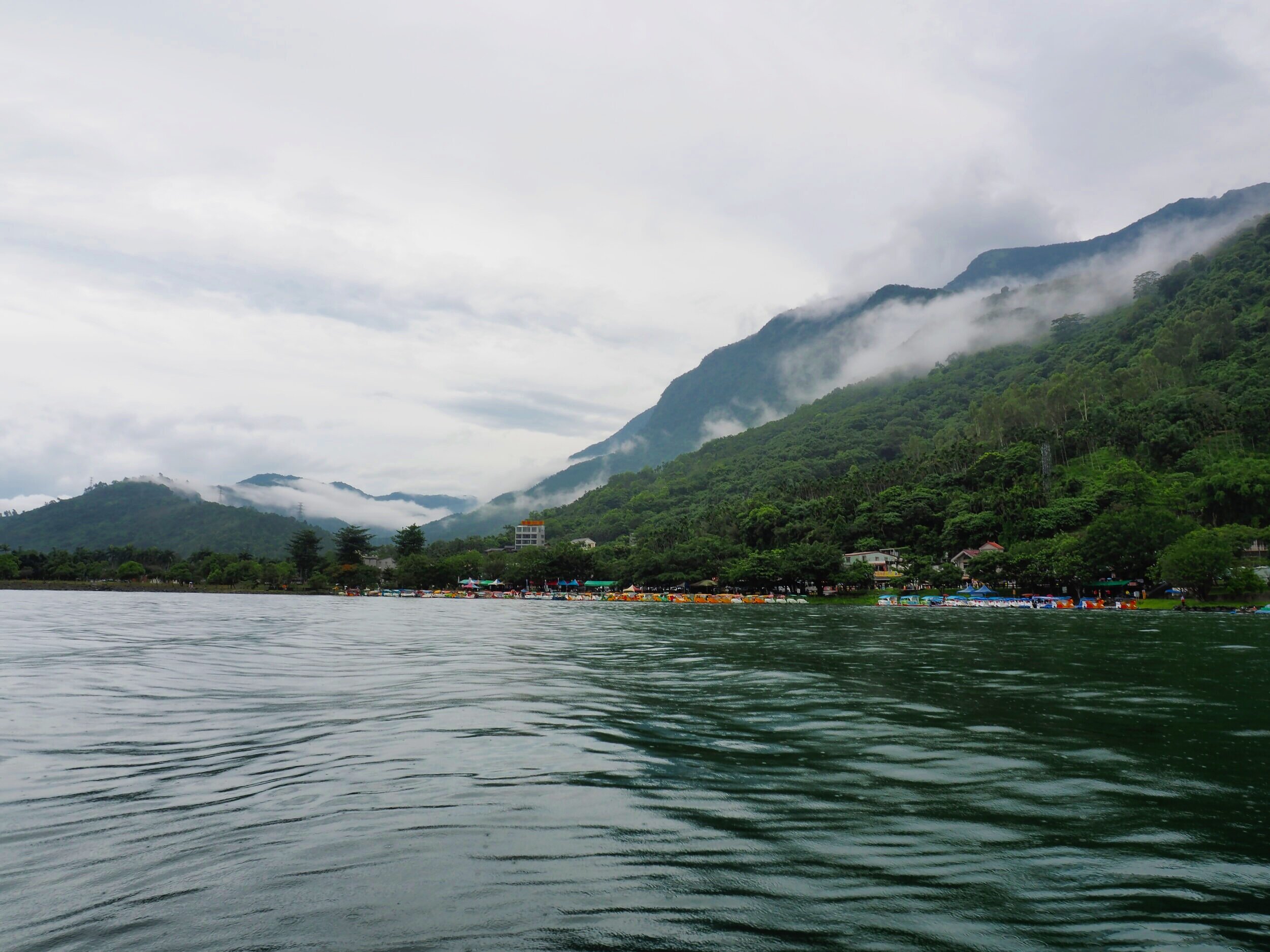
The first stop was Liyu Lake where we rented a paddle boat. After about 5 minutes of pretty vigorous paddling it became clear that we weren’t going very far so we decided to just park our little swan boat in the middle of the lake and enjoy the stationary views instead. It was pretty great- we had a 360 degree panorama of the low misty clouds descending onto the mountaintops and the light drizzle made sure it wasn’t too hot and there were no bugs to swat.
Our drive then took us to Yun Shan Shui, a scenic green trail area with the most vicious little mosquitoes I’ve ever encountered.
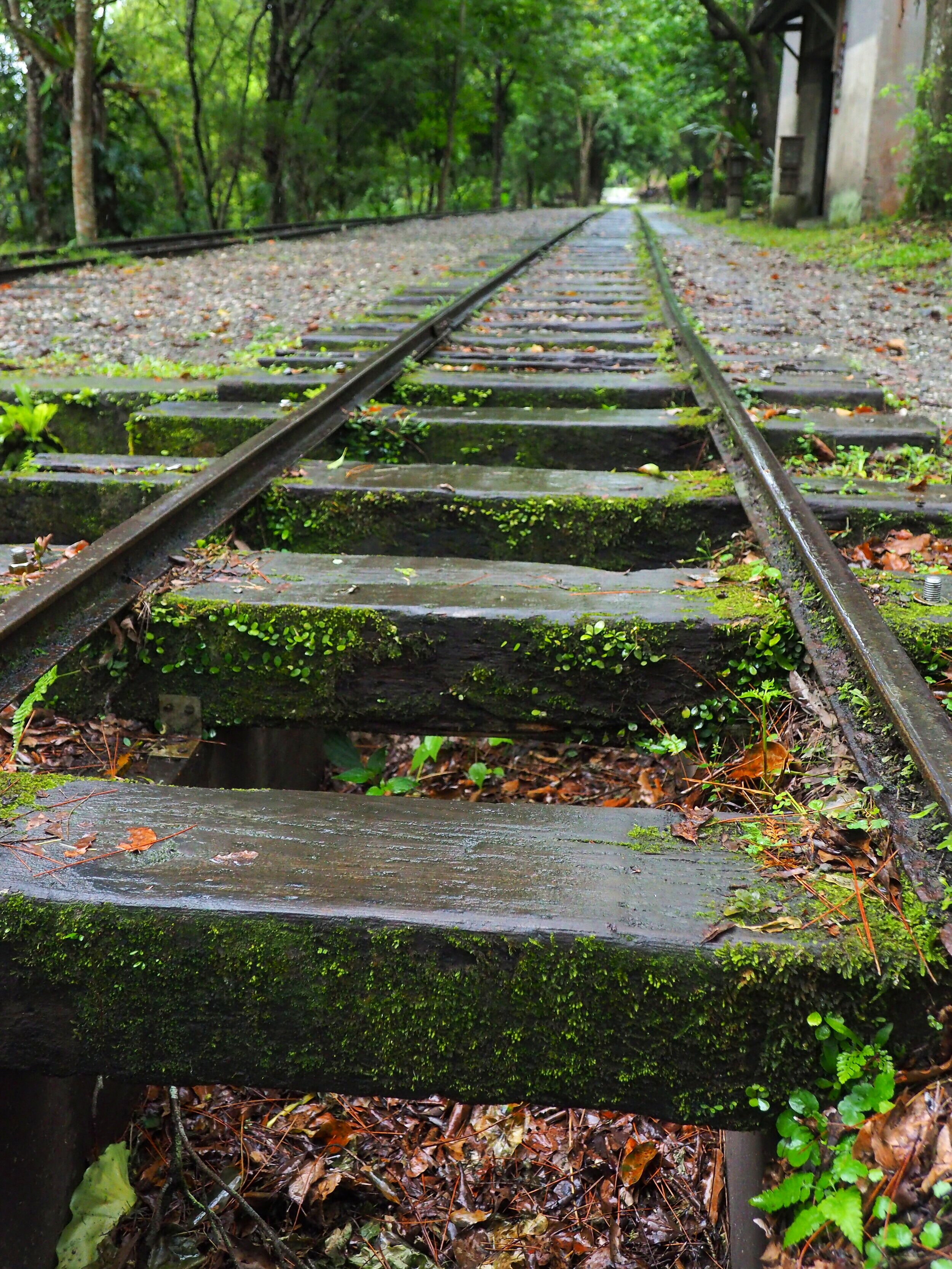
Afterward was a pit stop at Lin Tian Shan, a former timber logging camp from the Japanese era turned into a museum and recreational area. The buildings were all made of fragrant cypress and the area, much like many other places in Taiwan outside of super urban centers like Taipei, was super green. The plants were absolutely everywhere and seemed to love the recent rainfall and constant humidity- they were extraordinarily…aggressively…green. Imagine if your Instagram filter was turned up too high and the green highlight was on to the point where it looks unreal and overdone- it was that level of green but in real life.


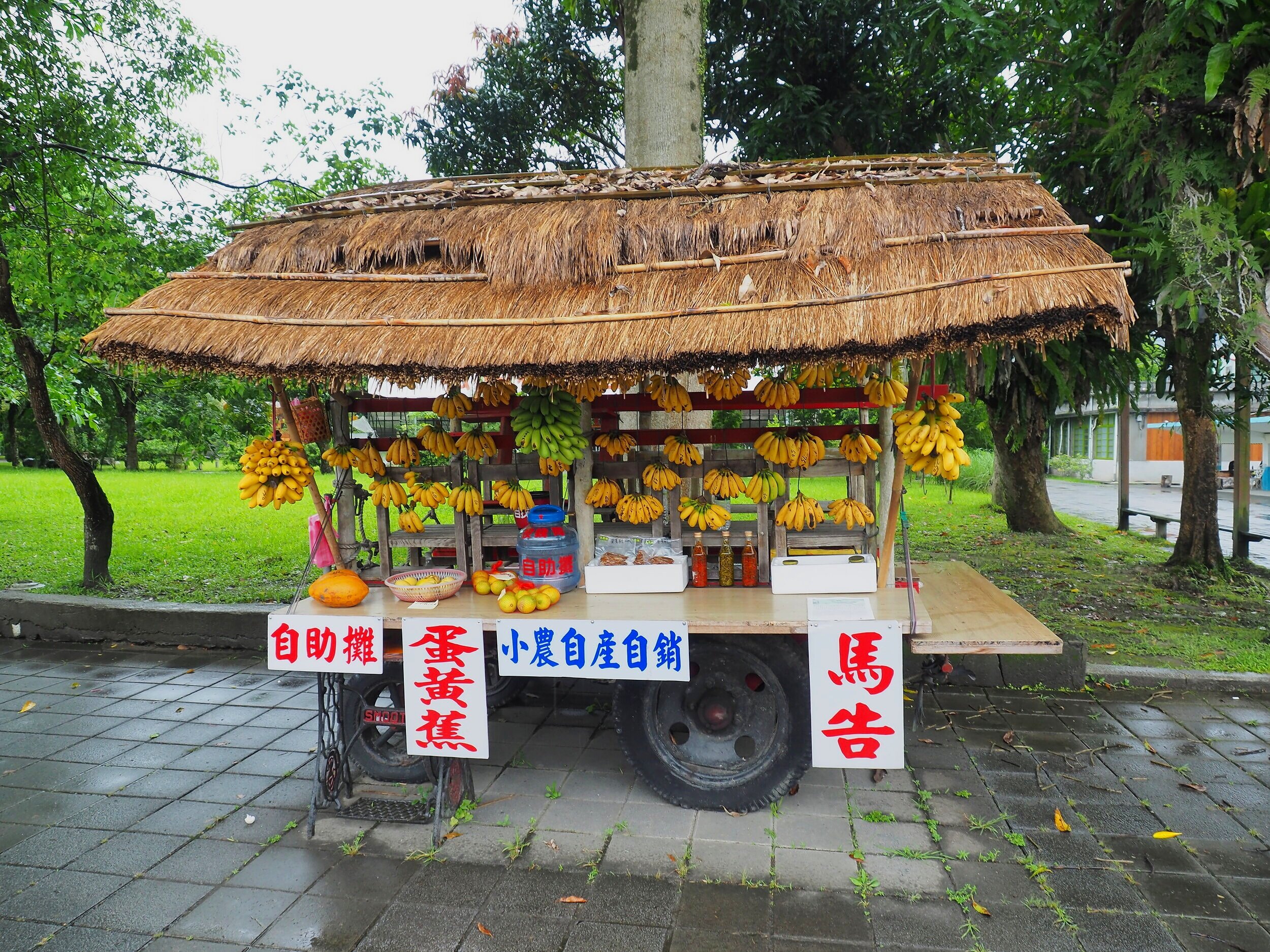
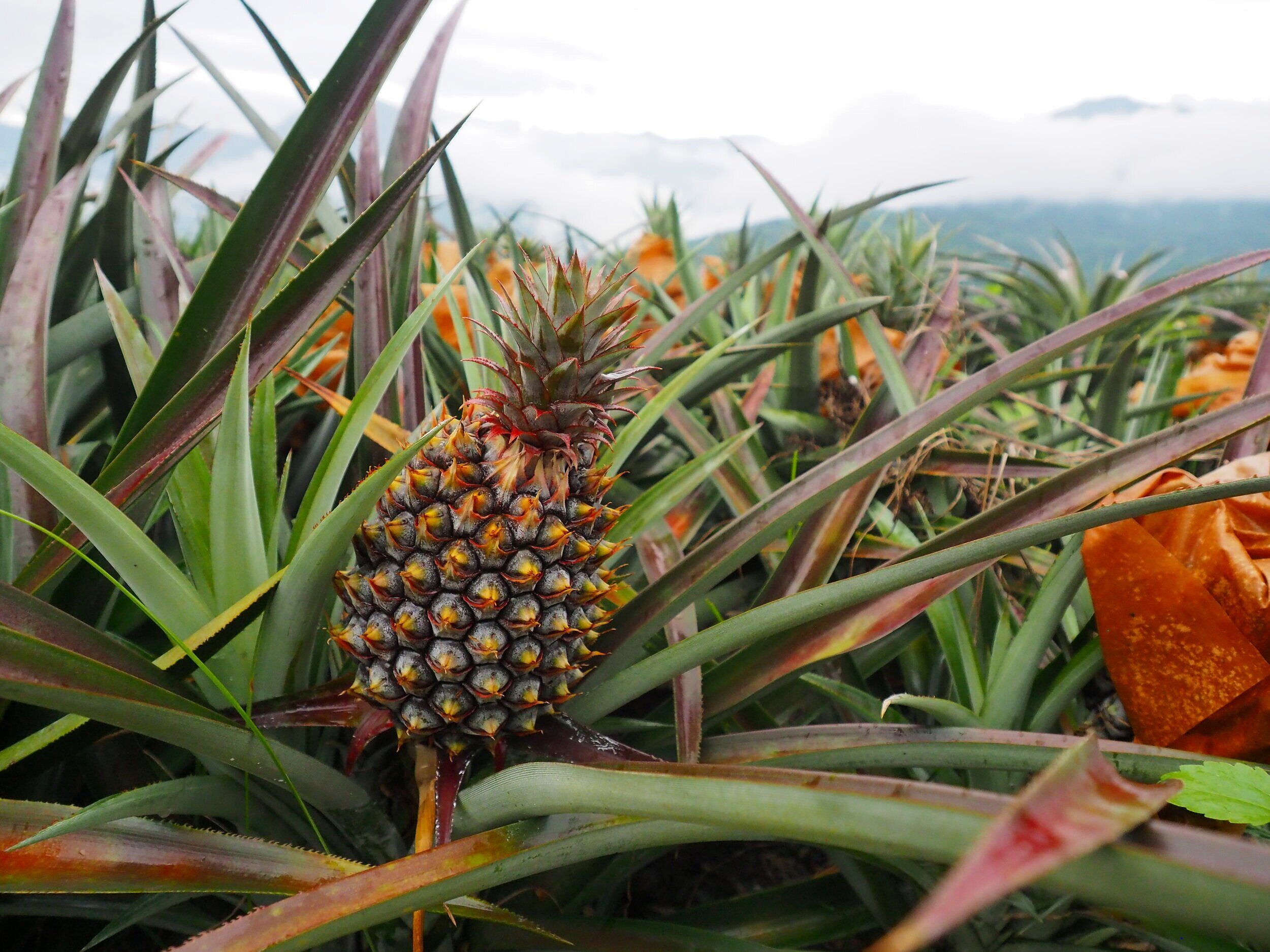
My favorite part of the day was actually not on the itinerary. We were driving along tiny local rural roads and stopping whenever we pleased to marvel at (and take pictures of) the countless plantations we passed along the way. We saw fields of taro, corn, various rices, dragon fruit, grapefruit, pomelo, mango, banana, and so many more I didn’t have time to identify. My favorite of all was the pineapple! These pineapple are called “tu feng li,” a pineapple literally translated as “basic/unpolished/imperfect,” meaning the pineapple is grown simply and unmodified without the agricultural engineering that would create the flavor of the typical super sweet super yellow pineapple I suppose I’d be able to find in the States. Taiwan’s best pineapple cakes (my favorite dessert and something that invariably occupies half of my luggage on the way home) are made with these “imperfect” pineapples. Our guide showed us how sharp the barbed leaves of the pineapple plant were, explaining how each individual fruit had to be hand-wrapped in waxed paper as it grows to prevent exposure to and damage from direct sun exposure. I could’t imagine walking through fields of these razor sharp leaves and wrapping all those fruits- it made me appreciate the final product of my beloved pineapple cakes even more.

Our time in Hualien brought us up close and personal with nature both green and…not green. What I mean by that is that Hualien has a lot of rocks. Hualien has Taroko Gorge, the pebble beach of Qixing, and so much vast open flood land areas filled with colorful striated stones. They really are quite nice looking and I see why my guide said that the people of Hualien “like to play with rocks.” We passed several huge courtyards filled with artfully arranged huge 8ft tall boulders which had to have been transported there one by one by a huge truck. Even our hotel in Hualien was stone themed and had a rock climbing wall in the lobby!




 RoxReels