Day #1: Travel And Wandering
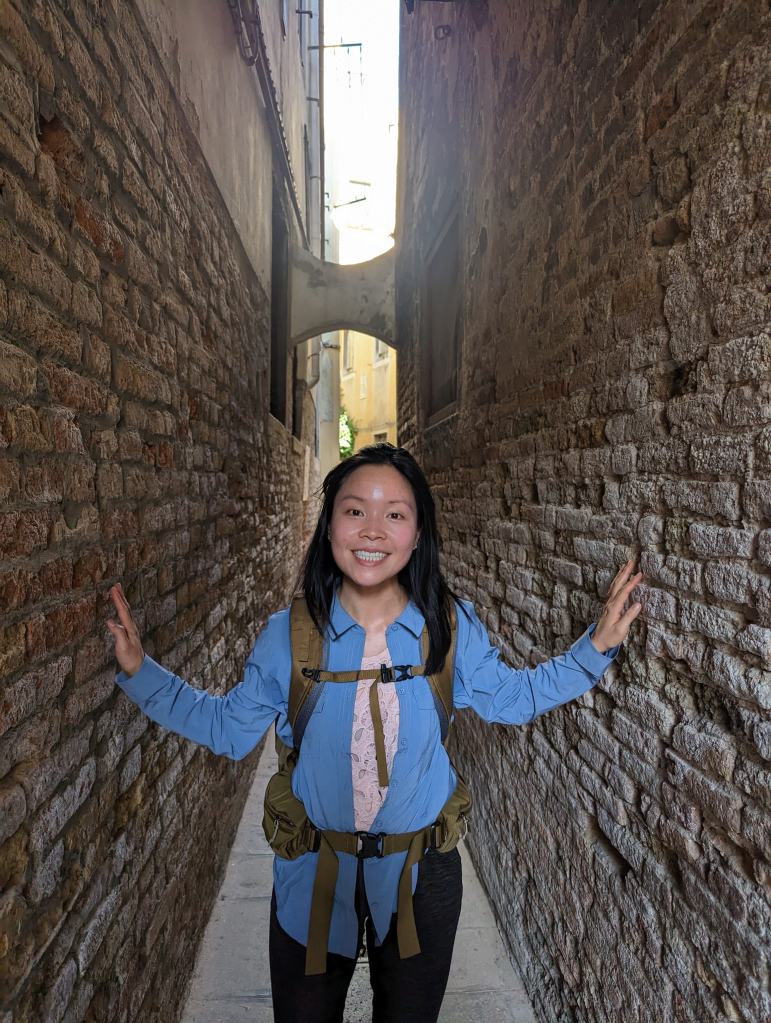
Our week-long Northern Italian adventure commenced in the gorgeous city of Venice, Italy. Our first day of the trip was consumed mostly by travel. We flew from Dallas to the connecting city of Chicago. Our subsequent flight to Venice was then delayed for 3 hours, but we finally made it on board and were on our way across the Atlantic Ocean.
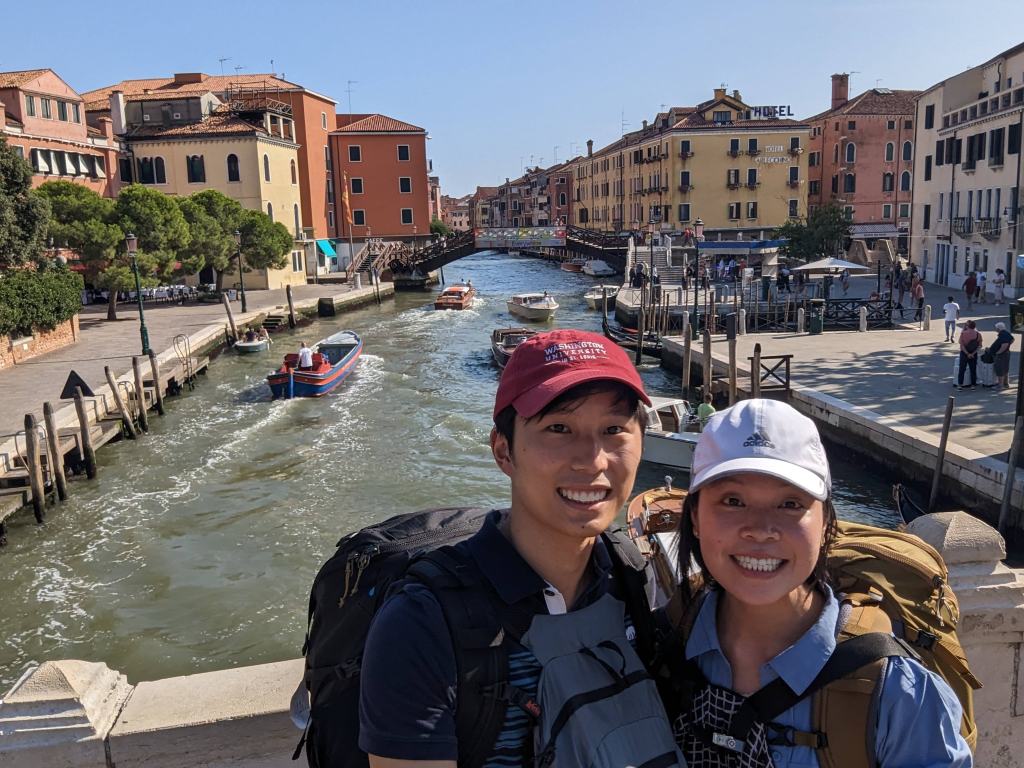
The easiest way to get to the city of Venice from the Venice airport:
Upon arrival to the Venice Marco Polo (VCE) airport, we purchased a ticket for the ATVO Express bus that takes you from the airport straight to the Piazzale Roma in Venice. ATVO tickets may be purchased at kiosks in the baggage claim area, at ticket booths in the airport arrivals hall, as well as outside the airport near where the buses depart. After arriving at Piazzale Roma, a short 15-minute walk took us to our Airbnb home for the next couple of evenings.
Wandering And Eating In Venice
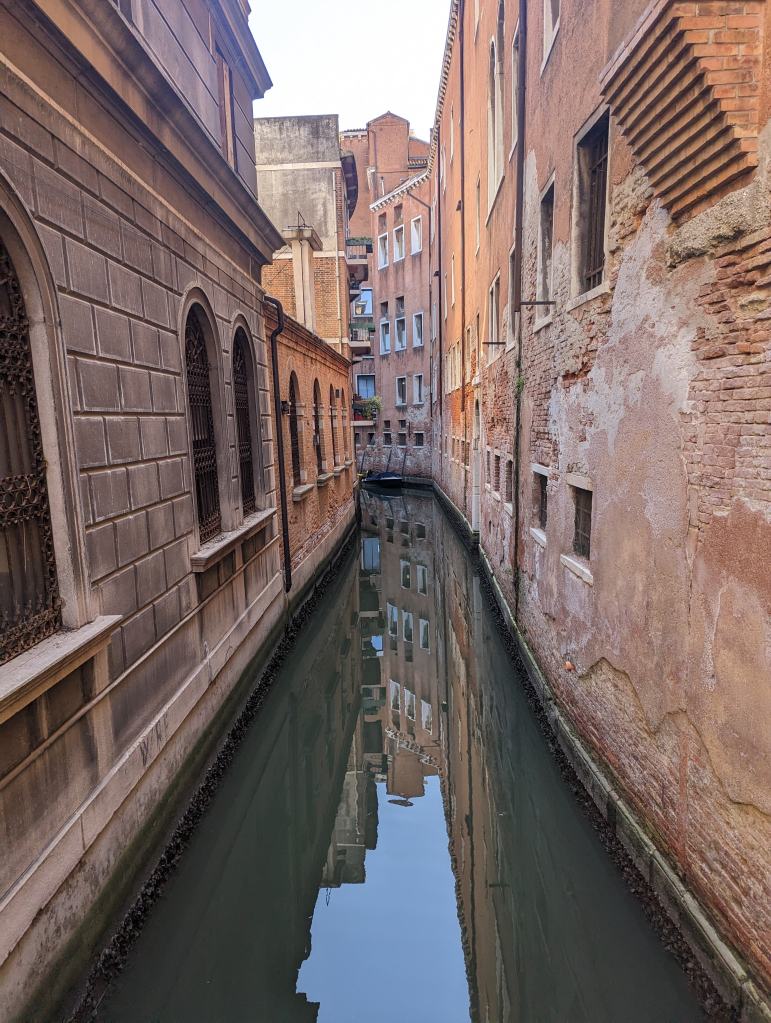
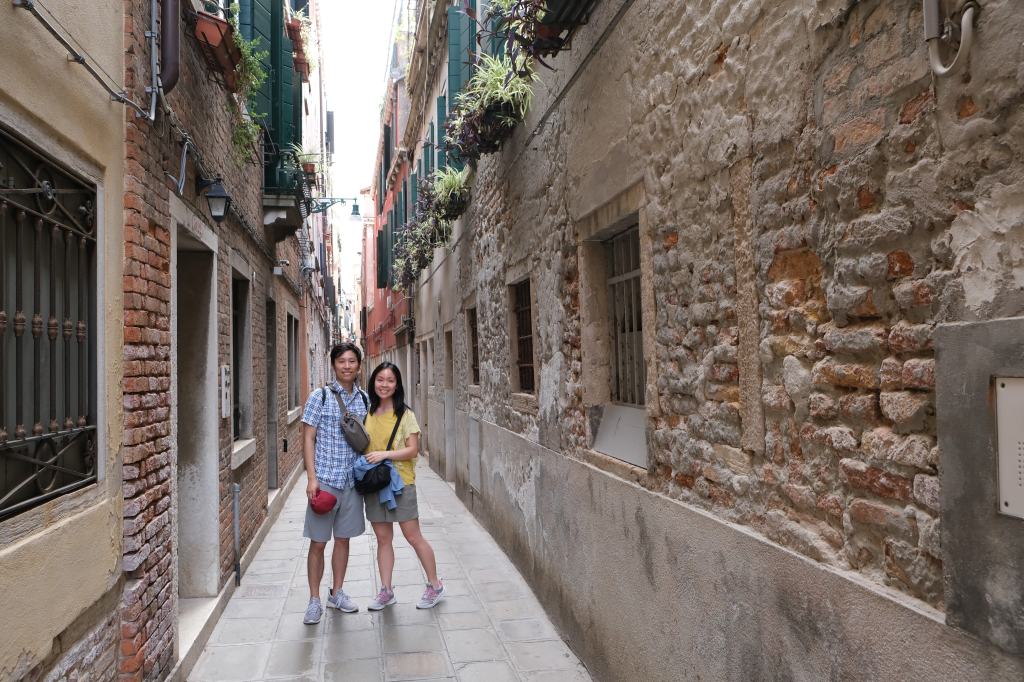
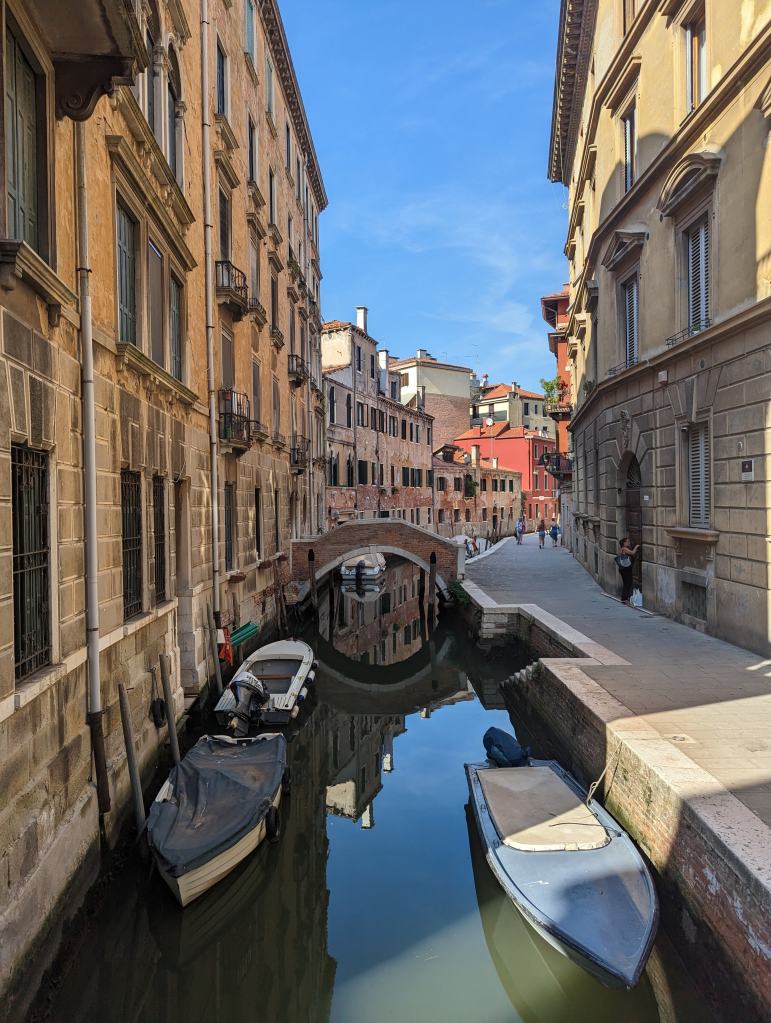
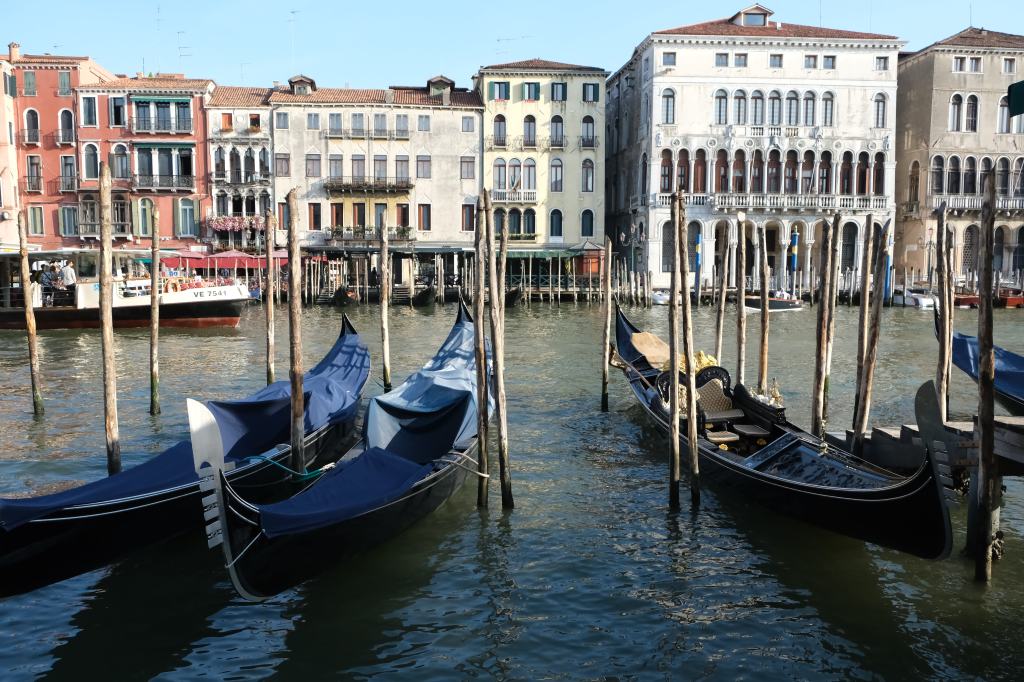
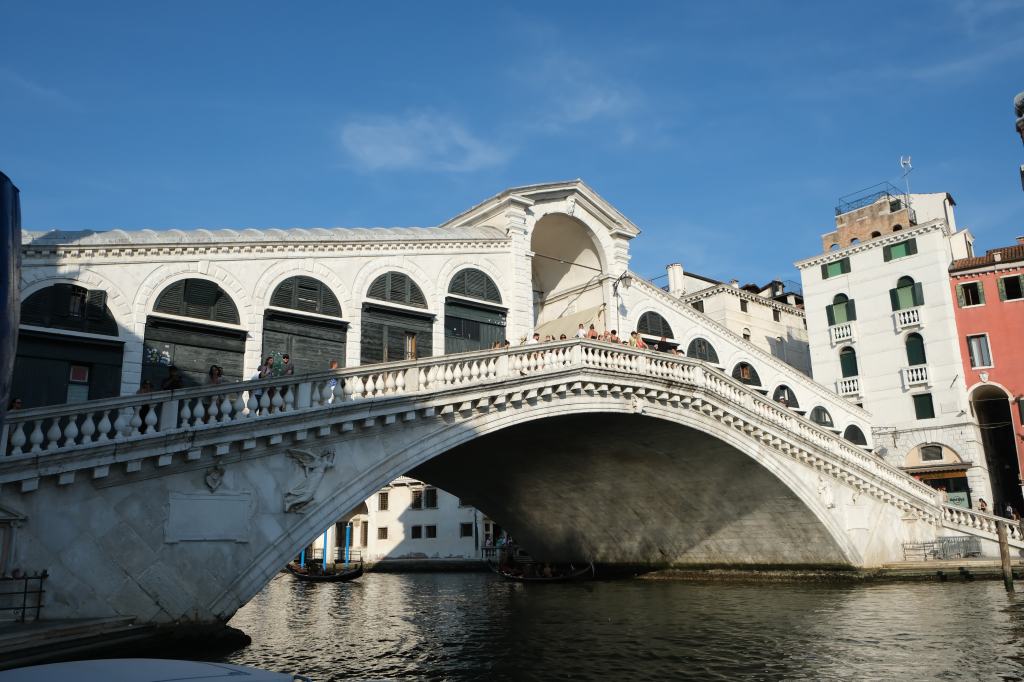
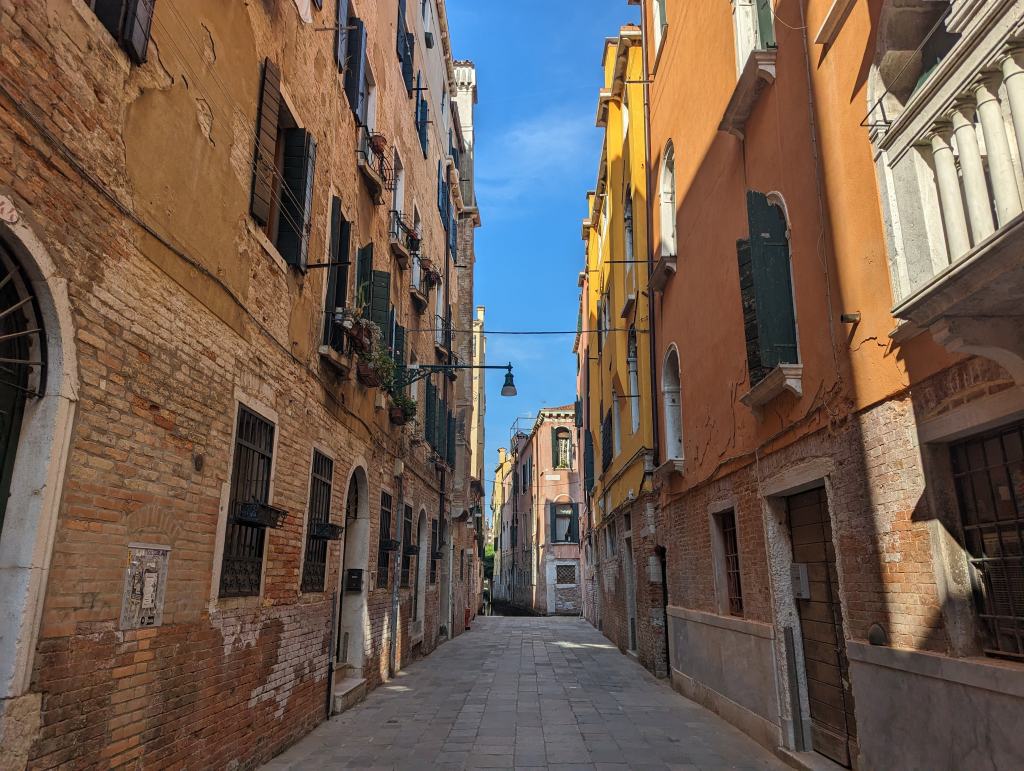
It’s something everyone says about visiting Venice, and I’ll say it myself here as well: the best way to experience Venice is to just wander and get lost in it. Without a clear plan for our first evening in Venice, wearied by travel and jetlag, we chose to go with the flow and just explore the beautiful streets, alleys, and watery canals of this picturesque city. Venice is a vibe. It feels like a theme park, and I couldn’t help but feel awestruck at just how old and true the buildings were. Venice was founded in the year 421. Yes, over 1600 years ago!
Acqua e Mais
Campiello dei Meloni, 1411/1412, 30125 Venezia VE, Italy
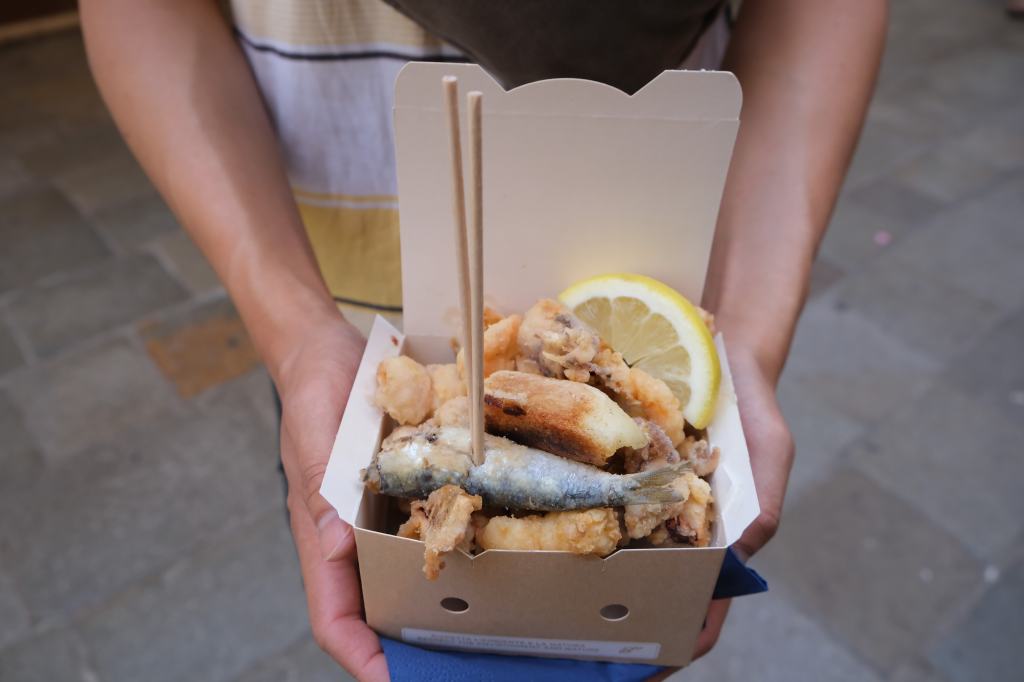
This little street side food stop offers a variety of antipasti, little pizzas, and their most popular item: boxes of freshly fried seafood. We tasted their fried seafood and the salted cod ball. The fried seafood “frittura” box was stuffed full of freshly battered and fried shrimp, calamari, sardine. It was very fresh, not too fishy, and very tasty. I’m not sure if it was worth 15 Euro but I’m glad we experienced it once.
Pasta Go Espresso
Calle de le Bande, 30122 Venezia VE, Italy
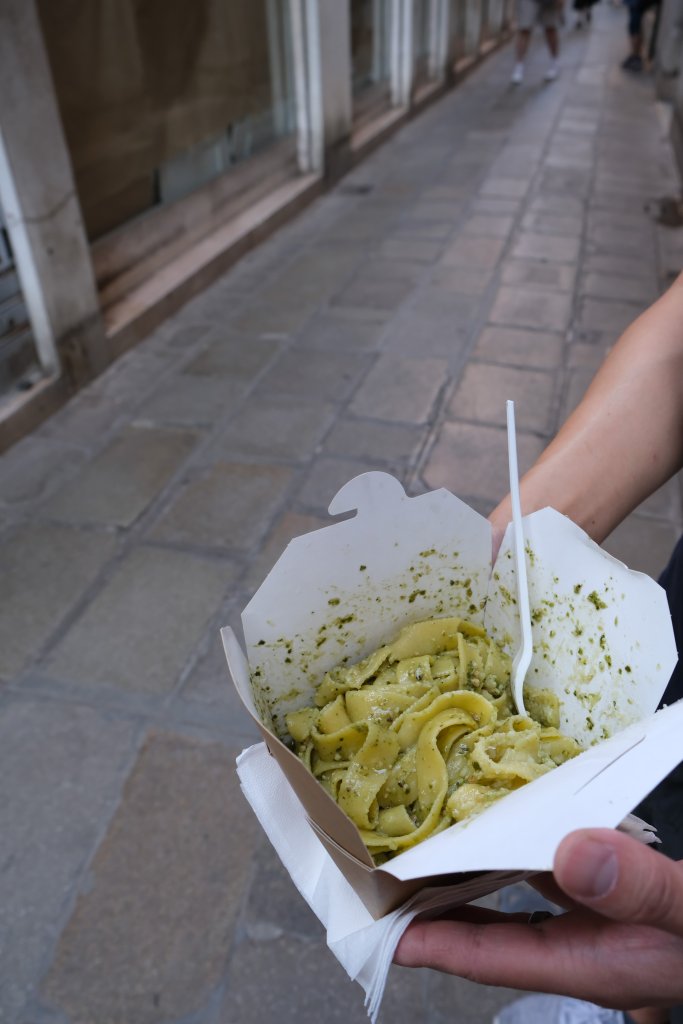
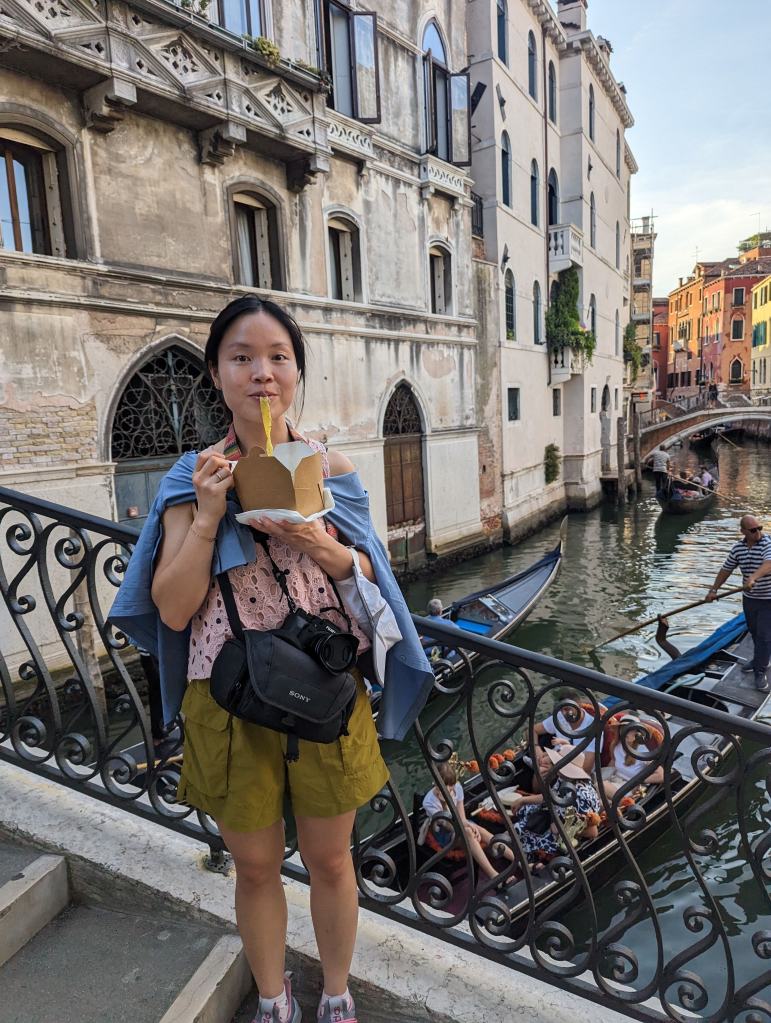
Jetlag and our previous snacks meant we weren’t particularly hungry around dinnertime, but we knew we couldn’t waste a meal on this trip. Pasta Go Espresso promised a cheap, casual way to get our pasta fix without being a full sit-down meal. Venice is home to many different vendors of fresh pasta in various sauces cooked to order and served in a fast and casual manner. Pasta Go Espresso’s pasta was very tasty, even with our high expectations. The fresh pasta had a nice al dente texture and only cost $7.50 EU for a good portion size. Walking around the streets of Venice while sipping a Birra Moretti and slurping up hot pasta noodles was a dream.
Libreria Acqua Alta
C. Longa Santa Maria Formosa, 5176b, 30122 Venezia VE, Italy
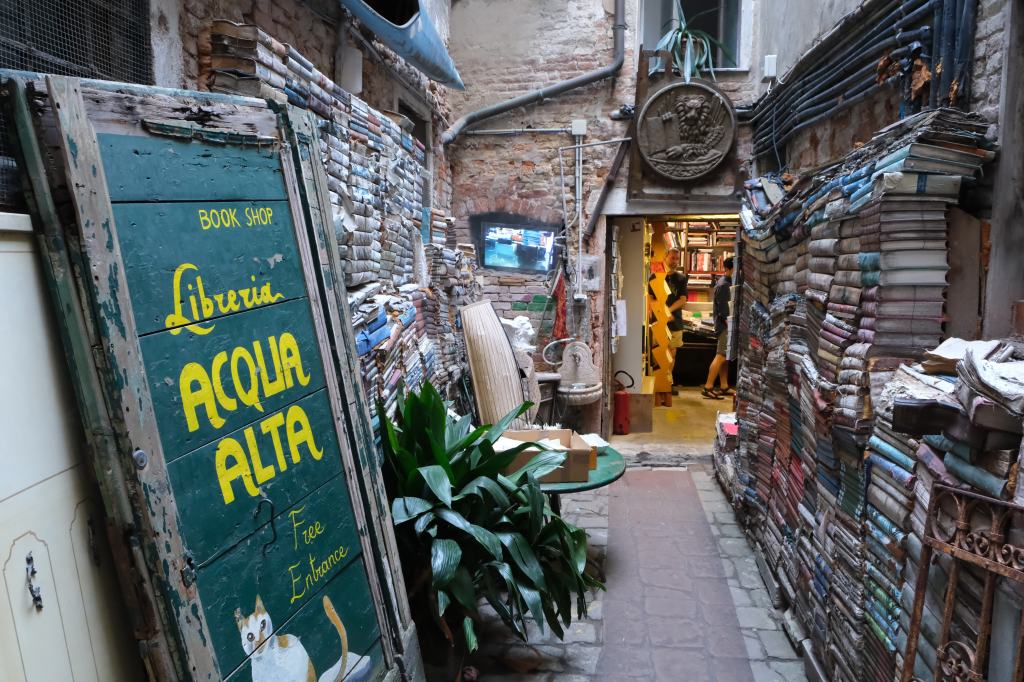
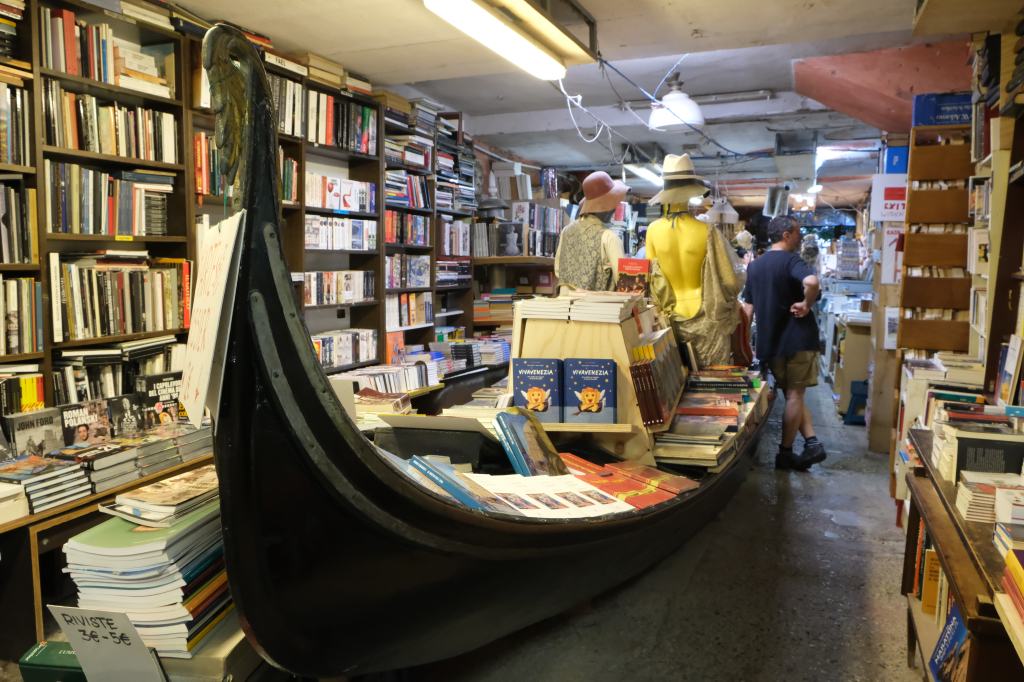
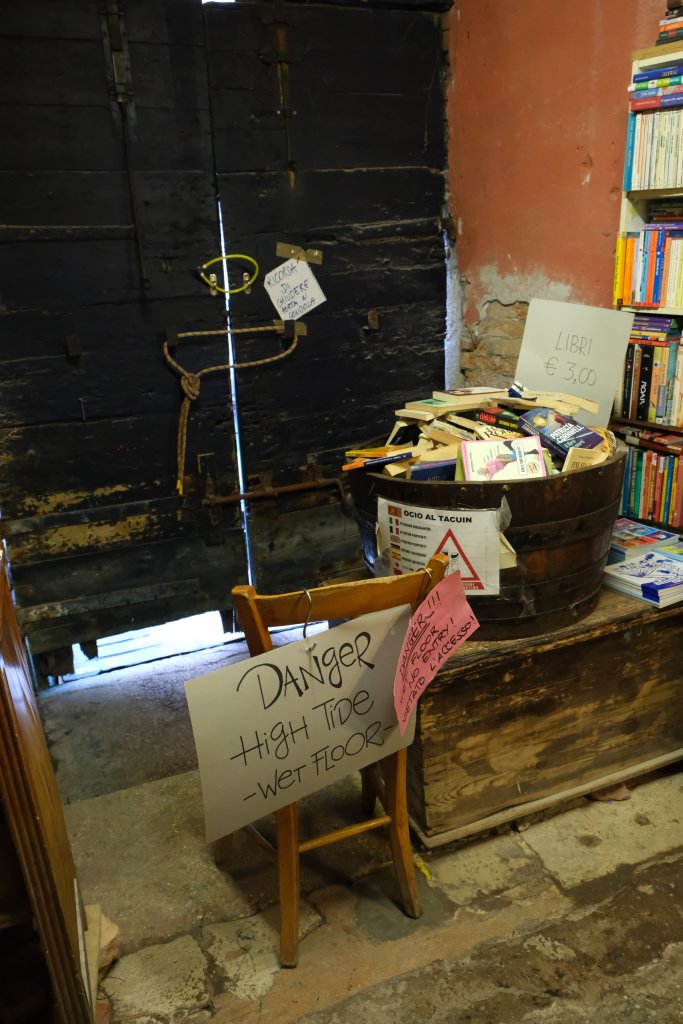
Libreria Acqua Alta is a short walk north from Pasta Go Espresso. This bookshop, very popular among tourists, is known for its adaptations put into place to protect its precious cargo of books and similarly non-waterproof products from Venice’s inevitable floods. Just as much to peruse the selection of books themselves, people visit this bookshop to see the elevated stands of books and clever placement of books in vessels like gondolas and bathtubs to protect them from frequent floods. Unless you’re actually visiting for a book or souvenir, I would categorize Libreria Acqua Alta as one of those attractions that are a little boring, a little over-hyped.
Cannaregio
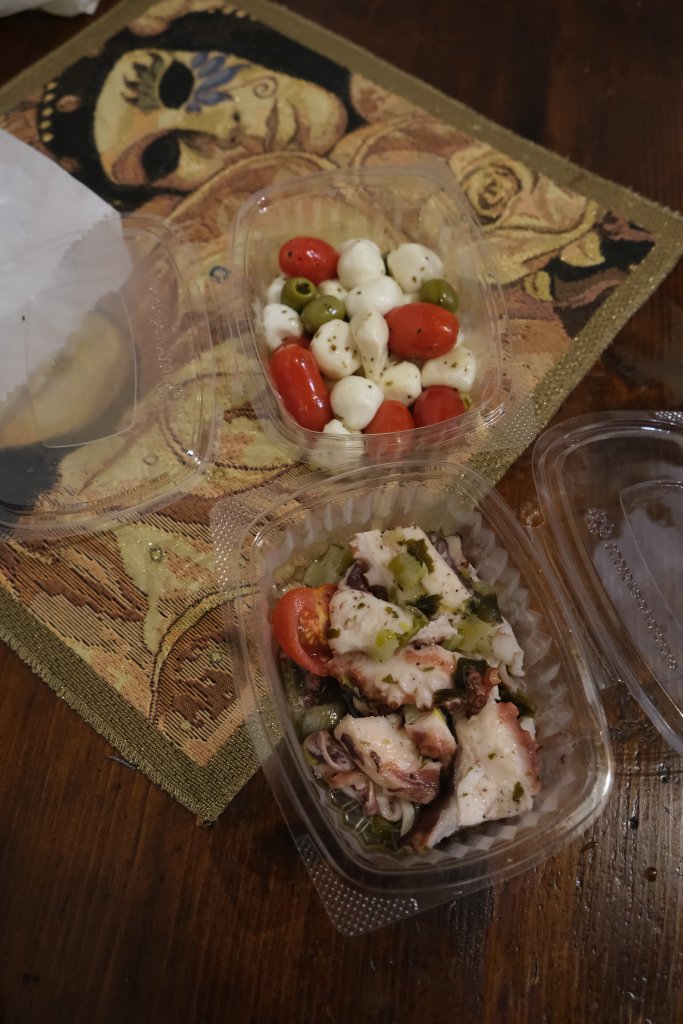
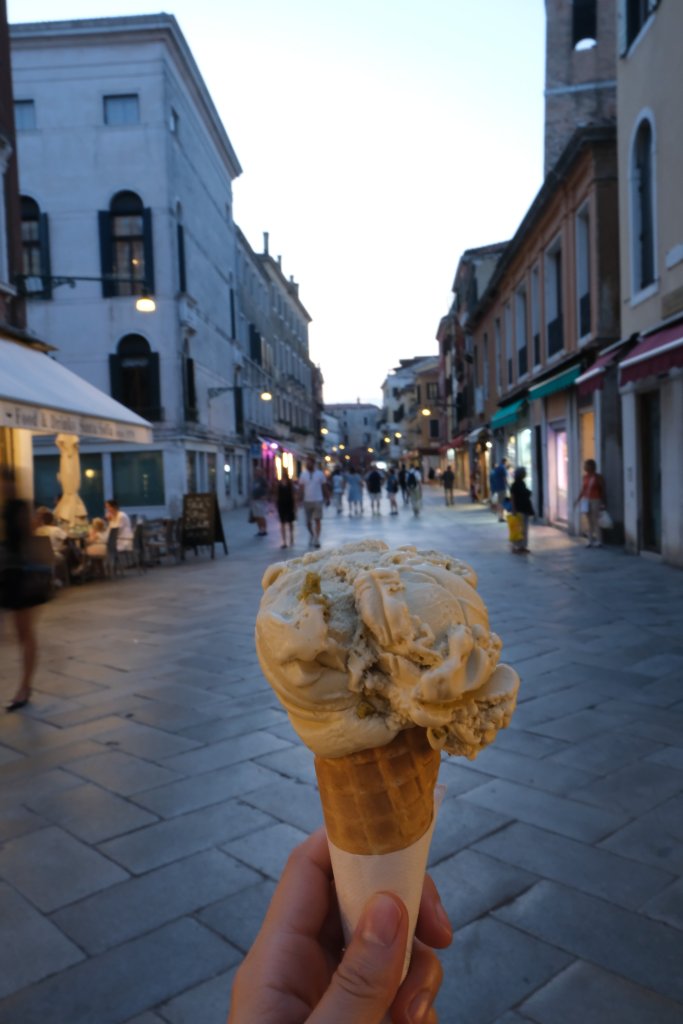
Continuing further north on foot, we made our way to the Cannaregio District, home to the Jewish Ghetto. This area is notably fun to walk around in, a good mix of residential streets, shopping markets, and shops. As night fell on our first evening in Venice, we enjoyed a pistachio gelato and a late night snack of caprese salad and squid antipasto from the Rizzo Venezia bakery before it closed its doors for the night.
Day #2: Doge Palace and St. Mark’s Basilica
Doge Palace
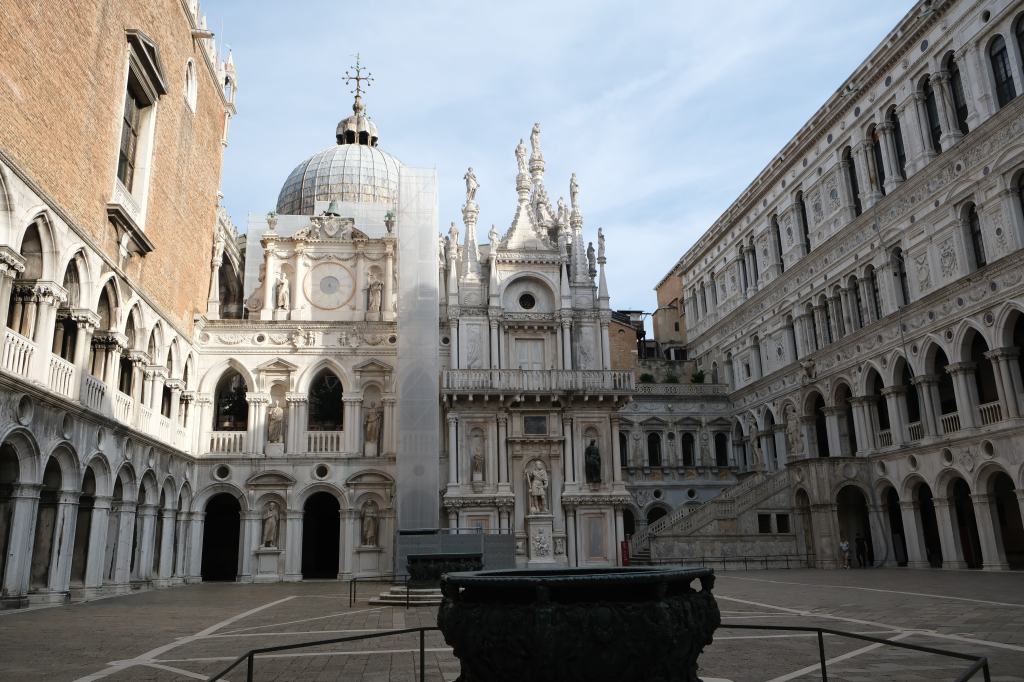
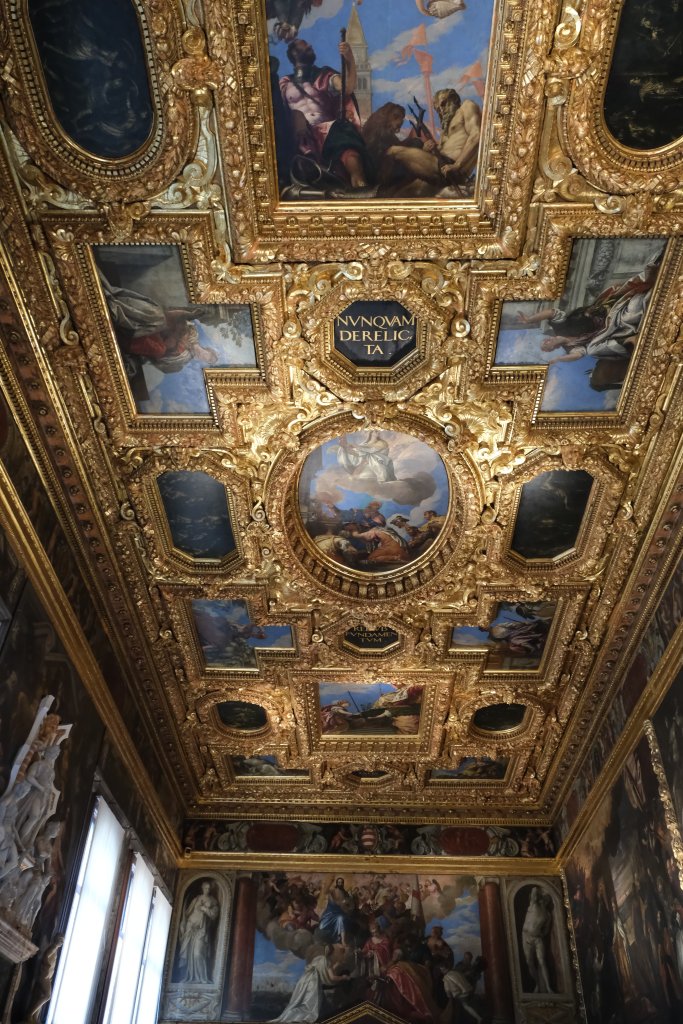
Visiting the Palazzo Ducale, or the Doge’s Palace, is one of those tourist must-do’s in Venice. Previously the seat of the Venetian government and home to the highest governmental and military leader of Venice, the palace is now a museum that showcases the building’s Venetian Gothic architecture.
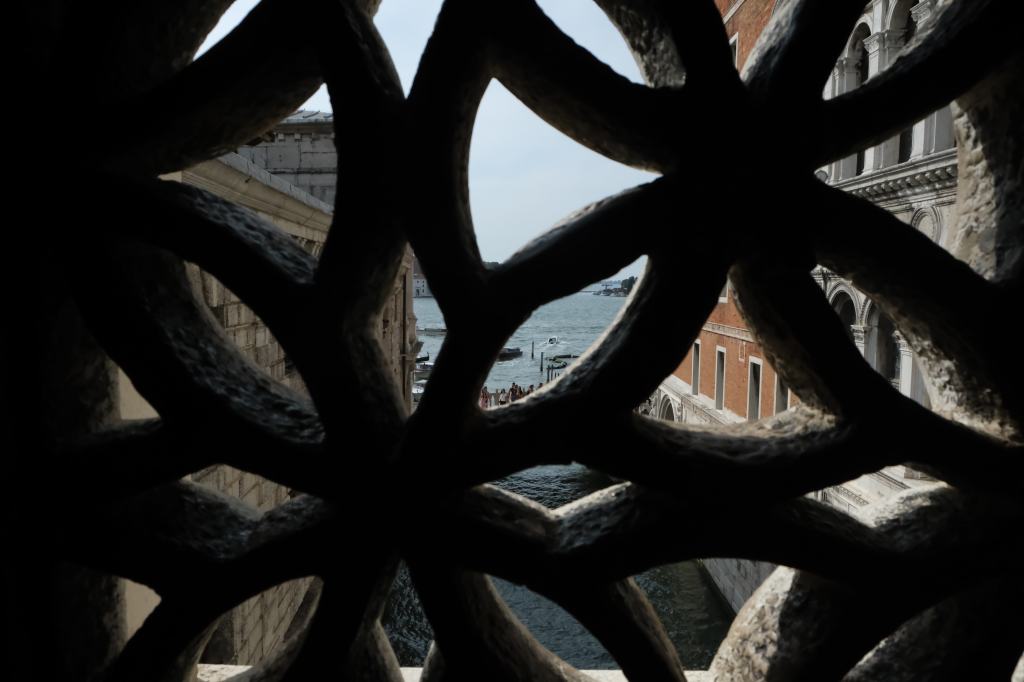
Online advance booking is recommended to skip lines that can grow quite long, but we found that a visit in the early morning ensured the lack of a line whether or not you had a ticket reserved. We also purchased the audio guide for 5 Euro, which was very detailed and walked you through the grounds in a set order. The guide turned out to be a little too detailed for us and a bit difficult to follow where exactly to look in the sea of artwork throughout the palace. There were so many paintings, historical rooms, pieces of armor/weapons, governmental offices, and even prisons. I particularly enjoyed the Bridge of Sighs, a white limestone bridge connecting the interrogation area to the prisons. The Bridge of Sighs is so named to refer to the sighs of longing the prisoners would let out as they caught their last glimpses of the city of Venice through the windows as they made their way to the prison cells.
Aperol Spritz And Cicchetti
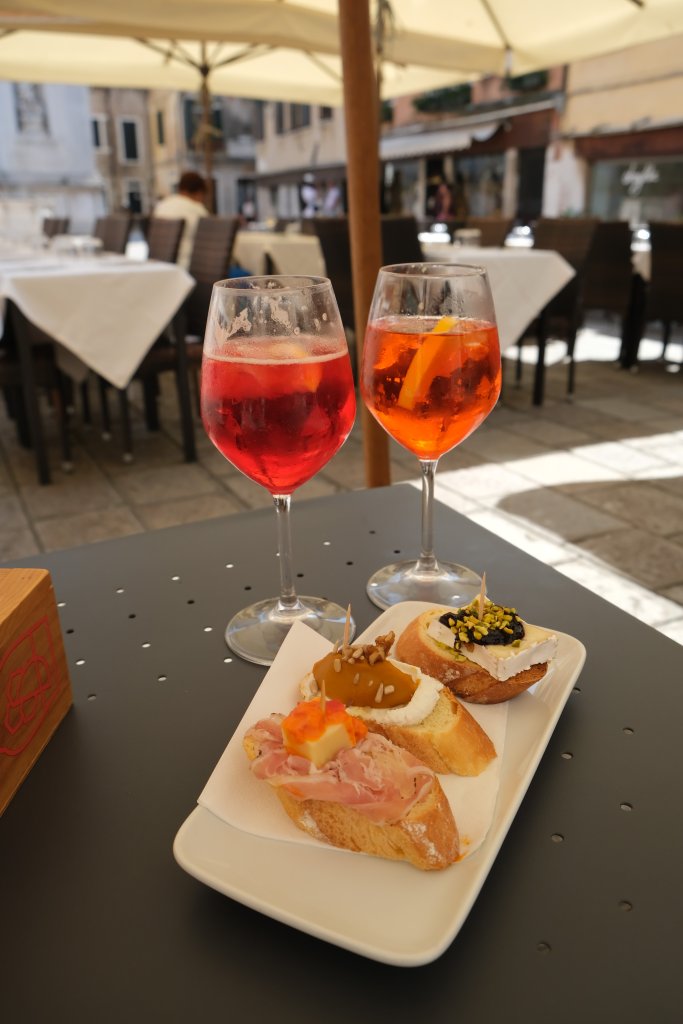
After Doge’s Palace, we wandered around the streets of Venice and happened upon a “bacaro,” a local bar offering food and drink. This marked the first aperol spritz of the trip. The Aperol Spritz cocktail is a popular aperitif that was popularized in the 1950’s in Northern Italy, quickly becoming the drink to drink in Venice. Aperol spritz is typically made with Aperol, Prosecco, and soda water– but there are actually a few different “spritzes” you can choose from in Venice. Aperol spritz is the sweetest of the bunch (and most orange), Campari spritz is the most bitter (and most red in color), and the Select Spritz is the Venetian local option coming in as a happy medium between the two others. (pictured are aperol and select spritz).
A few varieties of cicchetti accompanied our beverages as well. Cicchetti are small snacks also typically served in bacari, eaten as finger food along with usually small glass of wine or a spritz. The cicchetti at this particular bacaro weren’t honestly that amazing, but we were thrilled to find a place later in the trip that had amazing cicchetti options!
St. Mark’s Basilica
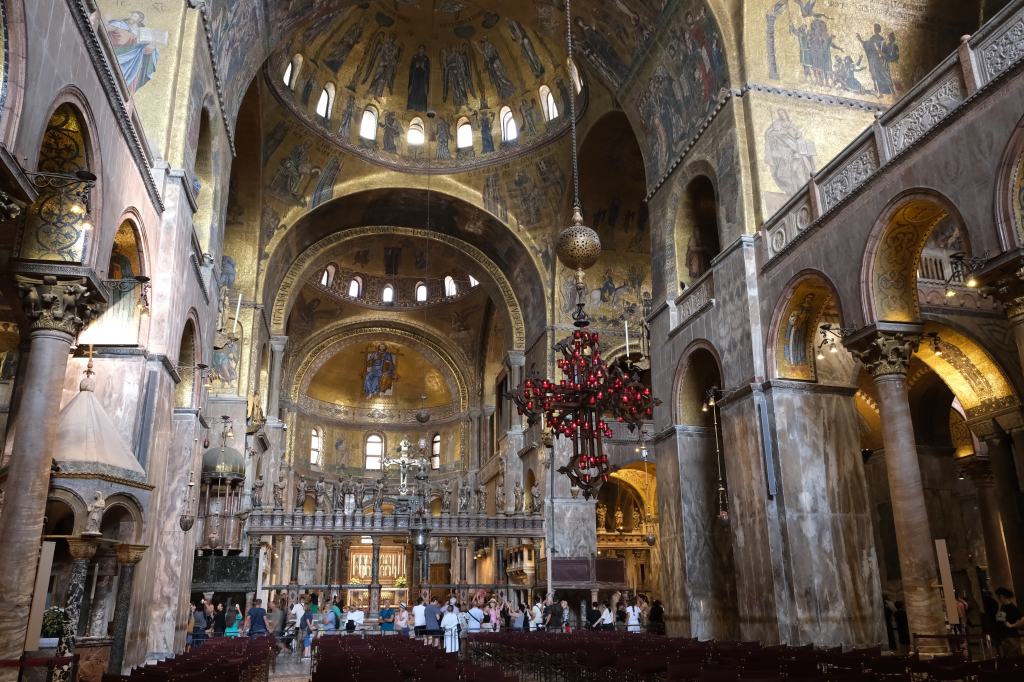
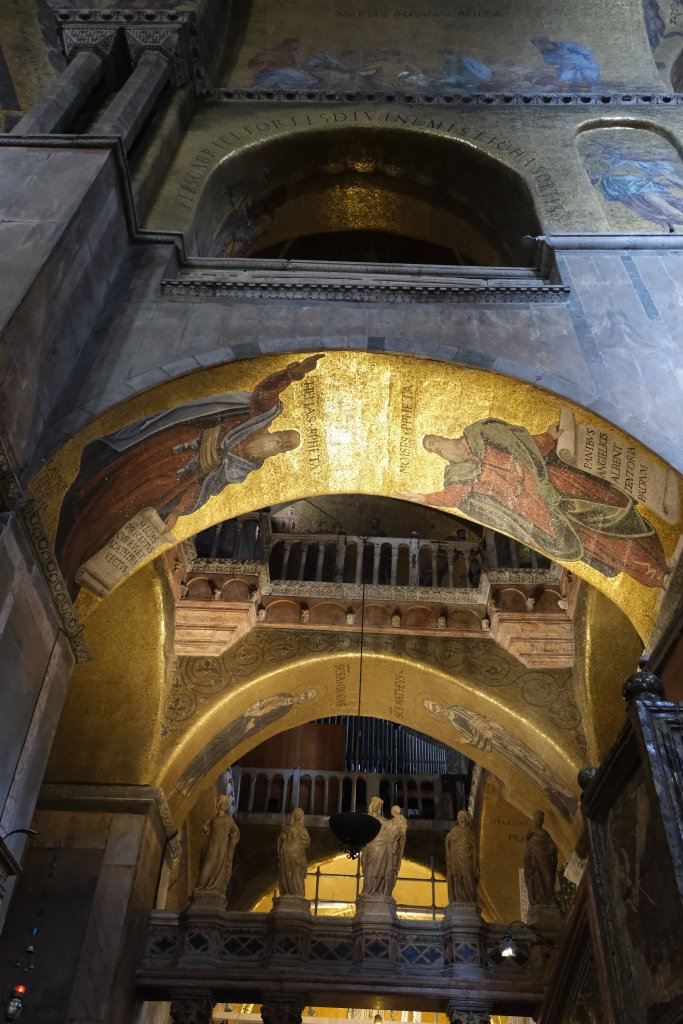
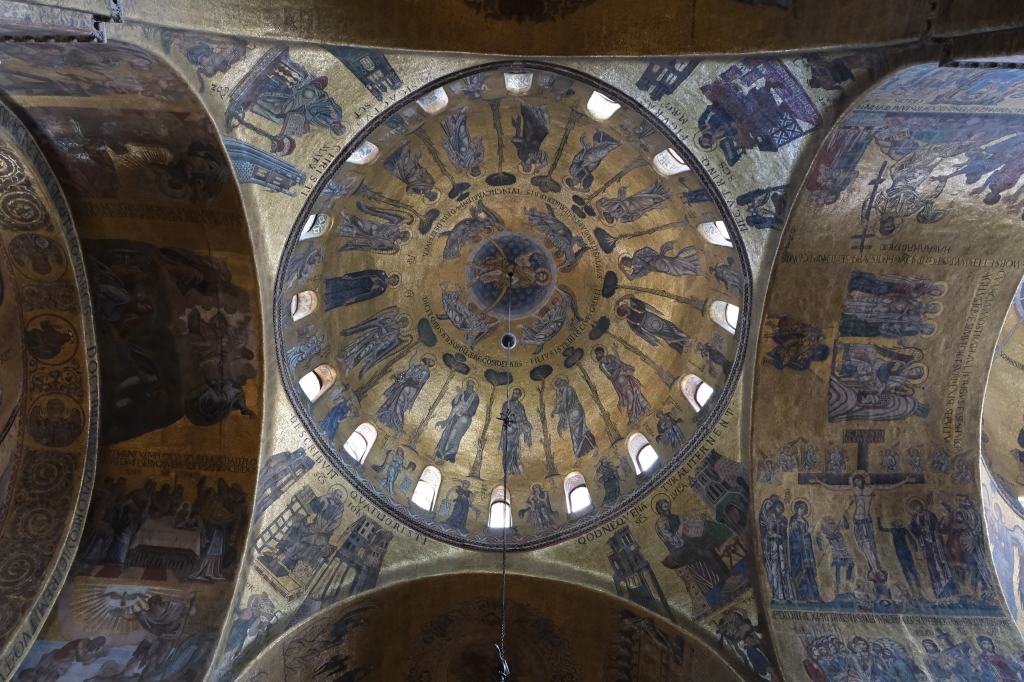
The Basilica di San Marco, or St. Mark’s Basilica, is another Venetian attraction you’ll find in all of the tourist guidebooks. It’s one of those things you know will be touristy but have to do while you’re here, at least once.
We purchased tickets from a third party and had to pick the physical tickets up from the Venice Tours office, located a few minutes walk away from St. Mark’s square. The tour included an audio guide, which was not super helpful in appreciating the artistry of the basilica. The baseline ticket price grants you access into the main church area only, which comprises a rectangular pathway from the front to the back of the church and back outside again. Be sure to study the floor! The mosaics on the floor were just as impressive as those on the walls, made of intricate tiny marble tiles arranged in dizzying patterns.
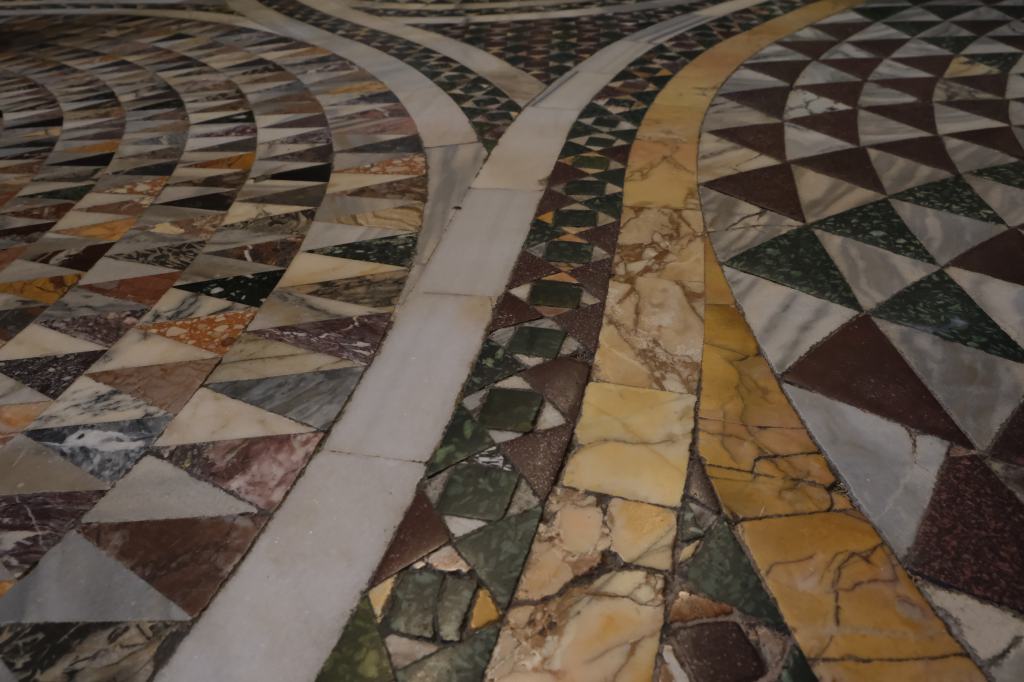
Tips for visiting St. Mark’s Basilica:
- You have the option to purchase add-ons to the baseline ticket to see more of the church and its relics, but be sure to research if anything is closed for renovation at the time of your visit.
- If you can arrange your schedule, try to visit the St. Mark’s Basilica around noon. Indoor lights are turned on daily from 11:30am-12:30pm, and this is the best time to see the golden mosaics aglow.
- If your visit falls on a Sunday, also note that the Basilica has limited opening hours starting from 2pm only, to accommodate Sunday mass services.
Osteria Boccadoro
Campiello Widmann già Biri, 5405/a, 30121 Venezia VE, Italy
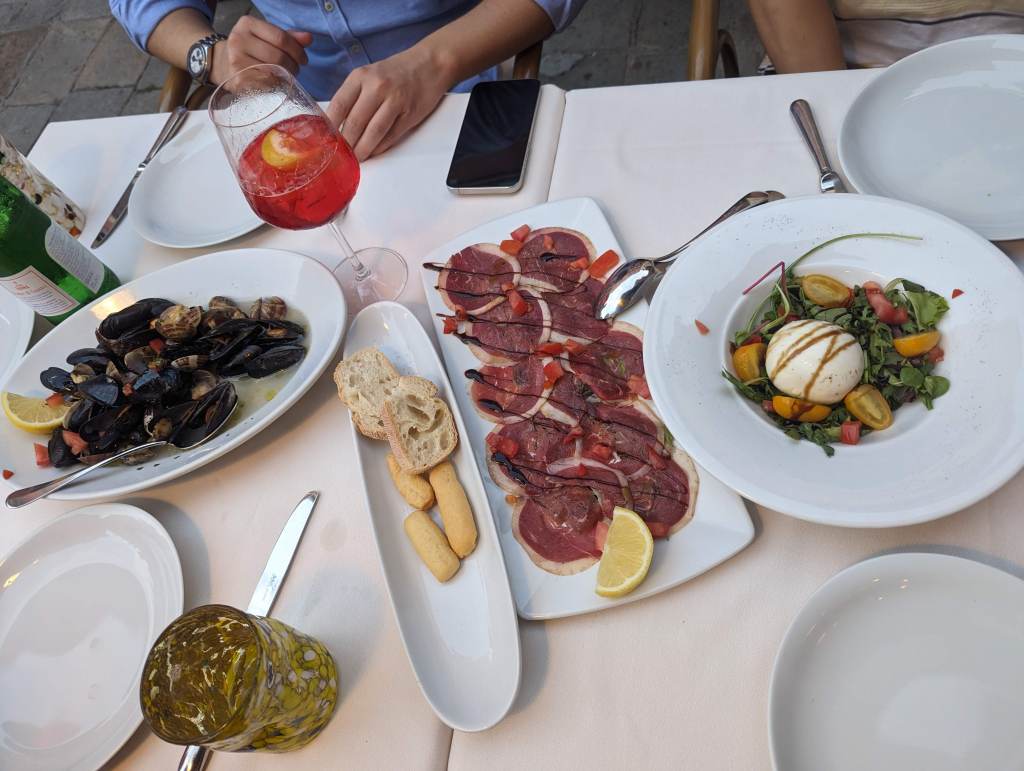
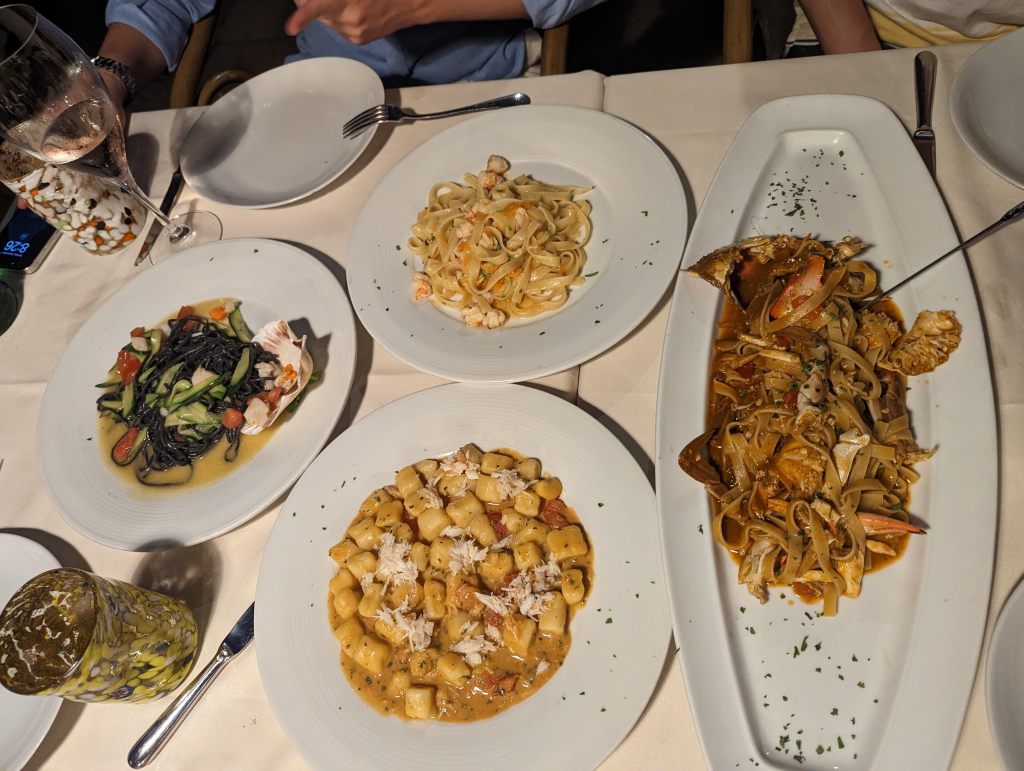
Osteria Boccadoro is a fish-focused Venetian restaurant on the eastern end of the Cannaregio area of Venice. The evening began with Aperol spritzes and glasses of wine. The table was then laden with delectable appetizers of sauteed clam and mussel, duck prosciutto, and baratta salad before we indulged in four different pasta presentations: lemon tagliatelle with prawn, squid ink tagliolini with zucchini, gnochietti with snow crab, and tagliatelle with freshly caught blue crab. We usually don’t eat like this on our travels, but this was such a treat!
Suso
Sotoportego de la Bissa, 5453, 30124 Venezia VE, Italy
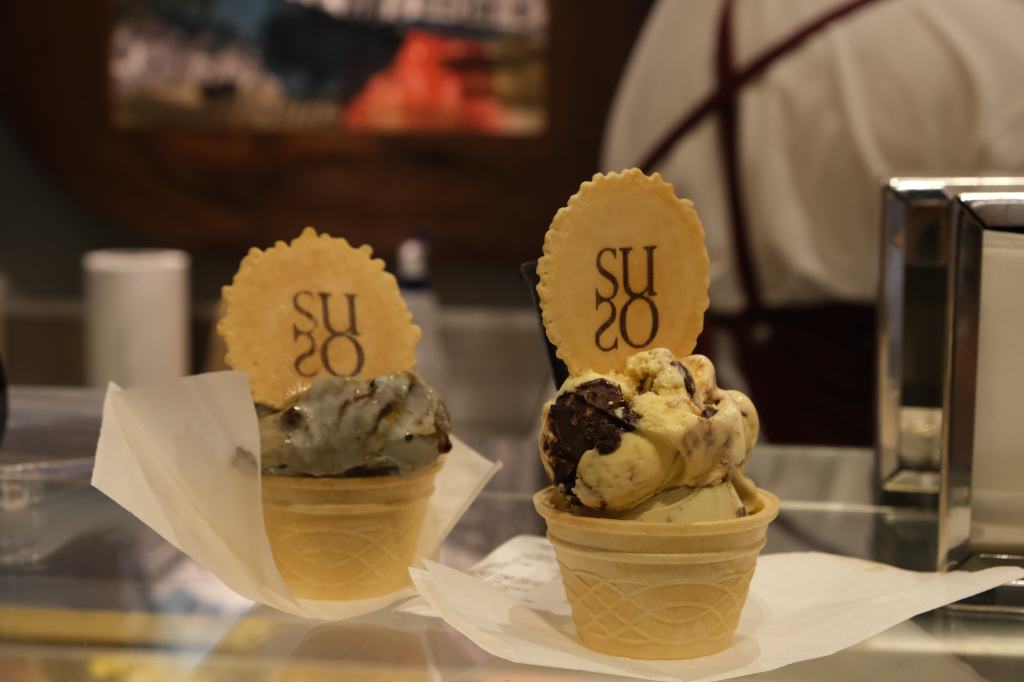
A pleasant 7 minute stroll to walk off some of that dinner fullness takes you to Suso, one of Venice’s most popular gelaterias. I appreciated the unique flavors, like our selections of sesame fig and yogurt passionfruit, but our “best gelato experience of Italy” was yet to come. (Spoiler: it was in Florence!)
Day #3: Murano
Ostaria dai Zemei
San Polo 1045, B, 30125 Venezia VE, Italy
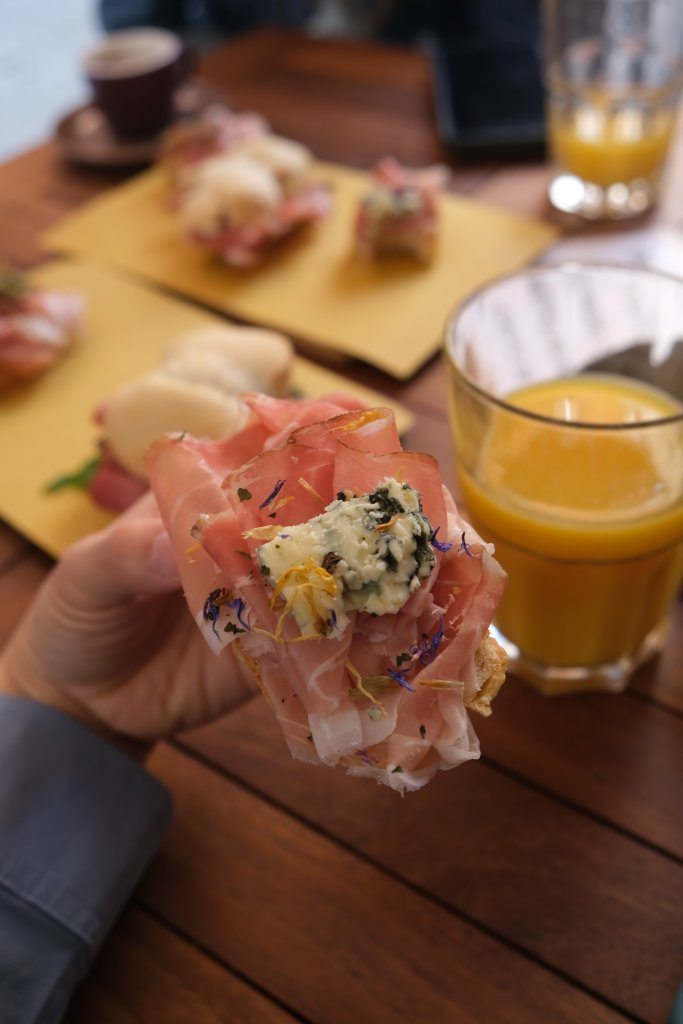
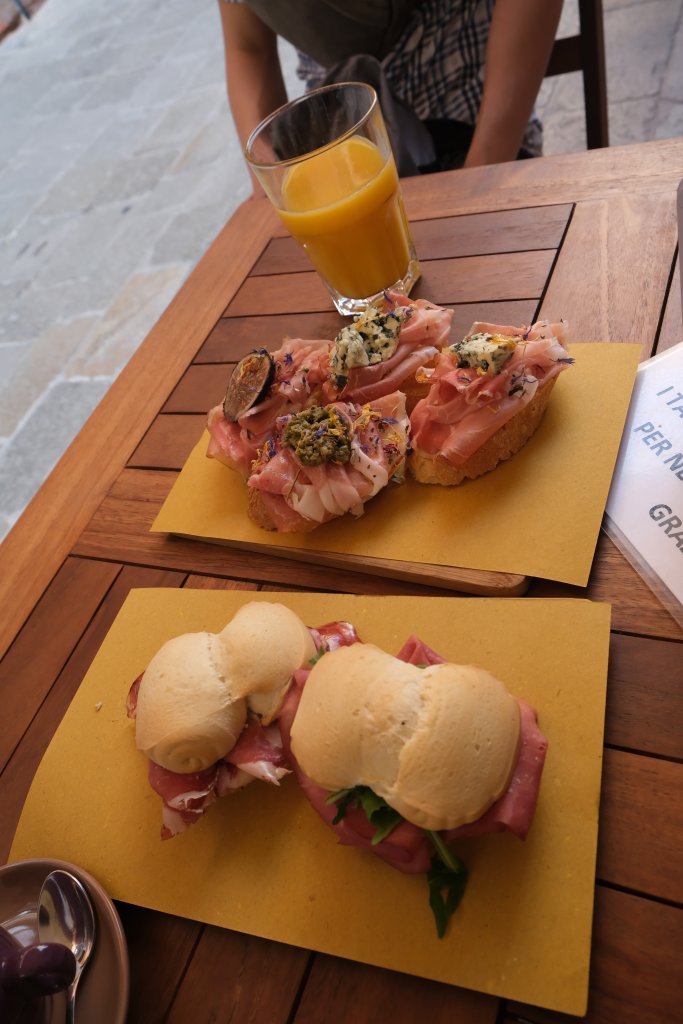
Our last day in Venice demanded a proper breakfast, and what better selection than cicchetti at Ostaria dai Zemei? This little eatery boasted an impressive array of cicchetti, which tasted so much more finely flavored and fresh than the cicchetti we tried the day prior. The bread was delightfully crusty and fresh, the toppings were flavorful and aesthetically topped with dried flower petals. Washed down with fresh orange juice and, of course, espresso, we enjoyed our leisurely breakfast feeling thoroughly Italian as we ate outdoors under umbrellas cooled by a morning breeze and watching the wanderings of neighborhood dogs.
Murano
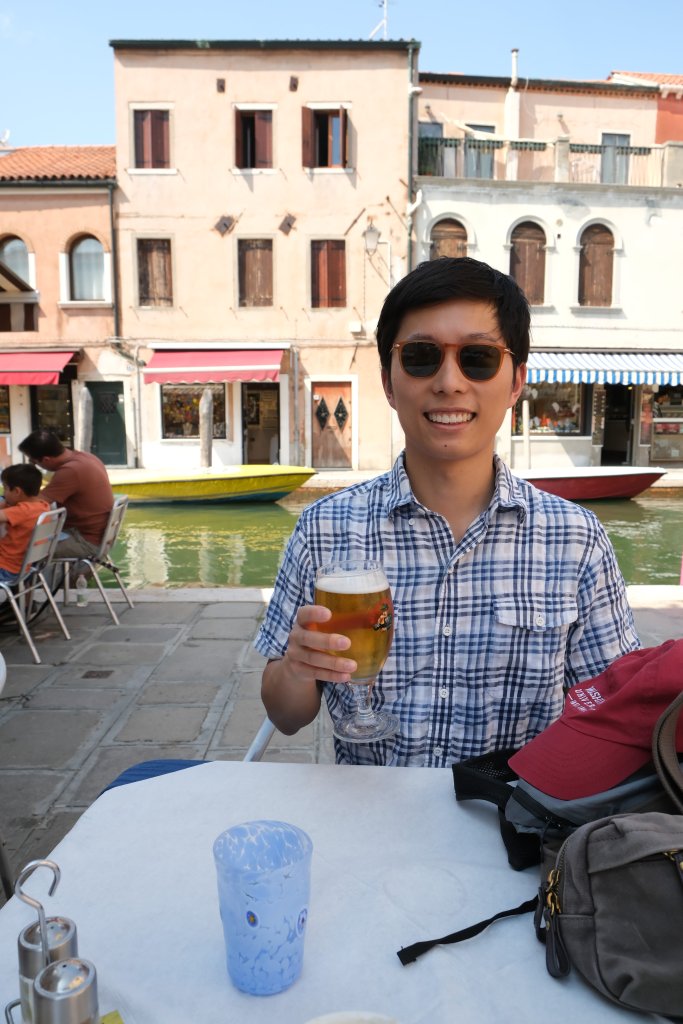
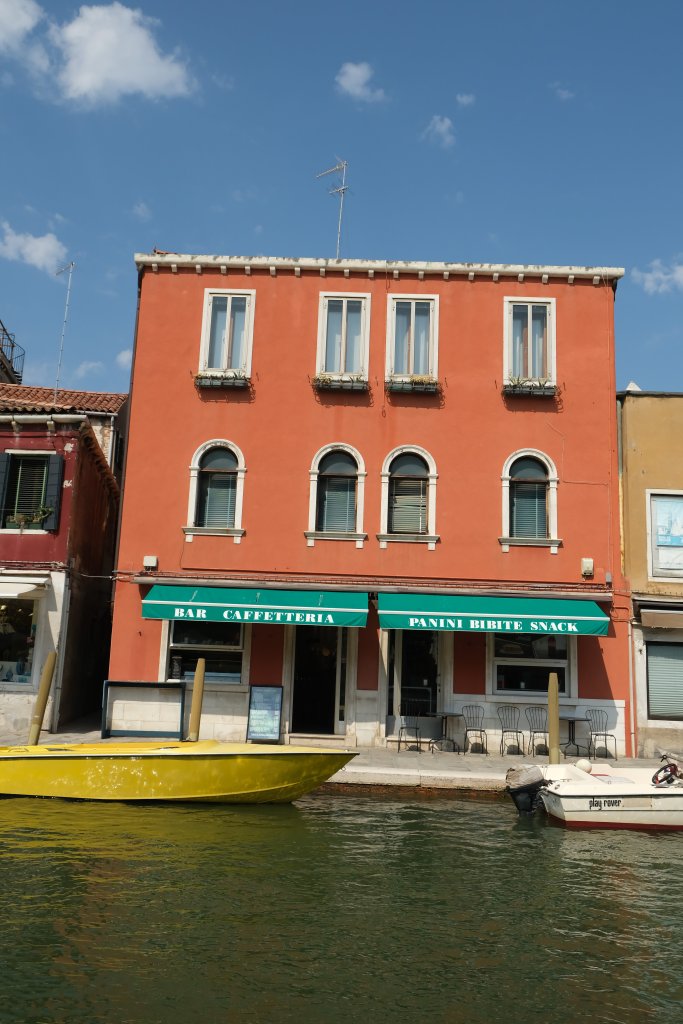
We then made our way to the Rialto area to board a vaporetto, or Venetian water bus, to the destination of the day: Murano! Water Bus 4.1 takes the most direct route from Venice to Murano, with only one quick stop in between.
The island of Murano is known for its handmade and hand blown glass arts. Historically, glass was first made on the island of Venice but repeated fires related to the superheated furnaces prompted the migration of glass factories off the island of Venice and onto the then-primarily-fishing village Island of Murano. Now, glass art has become synonymous with Murano and visitors and locals alike flock to Murano to see the beautiful glass creations.
My honest opinion of (most of) Murano? It feels pretty touristy, I have to say. The most visited area is comprised of a large strip of glass trinket souvenir shops and restaurants along the waterway. We enjoyed a couple of beers and a cappuccino while resting on the waterfront before wandering deeper into the more residential part of Murano. Here, we happened upon a restaurant where many locals seemed to be dining.
La Perla Ai Bisatei
Campo S. Bernardo, 5/6, 30141 Venezia VE, Italy
La Perla Ai Bisatei is a quaint but bustling, affordable restaurant that I recommend when in Murano! Pasta dishes cost less than 10 Euro, and even most main dishes cost 13 Euro or less. The food was fresh, generously portioned, and most importantly tasted like a family member made it with love.
Glass Factory Tour
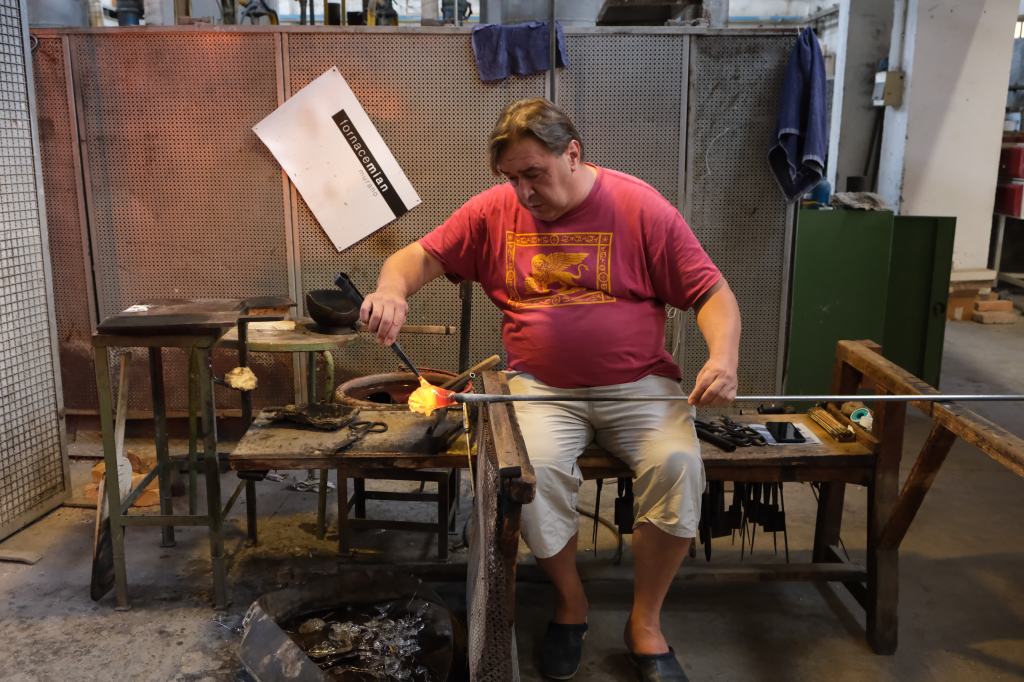
Murano is home to several glass factories, many of which offer free tours. At one of these tours, we learned that glass masters used to begin learning their trade at as early as 10 years of age, but after work restrictions were put into place training cannot legally begin until 18 years of age. Most glassmakers currently in Murano have been working for 35 years or more. During the tour, we watched them the artisans shape molten glass into an ashtray (they were fulfilling an order of Supreme ashtrays) and a generous off duty glass master even showed us how to artfully hand shape a glass snail.
Venice Vaporetto
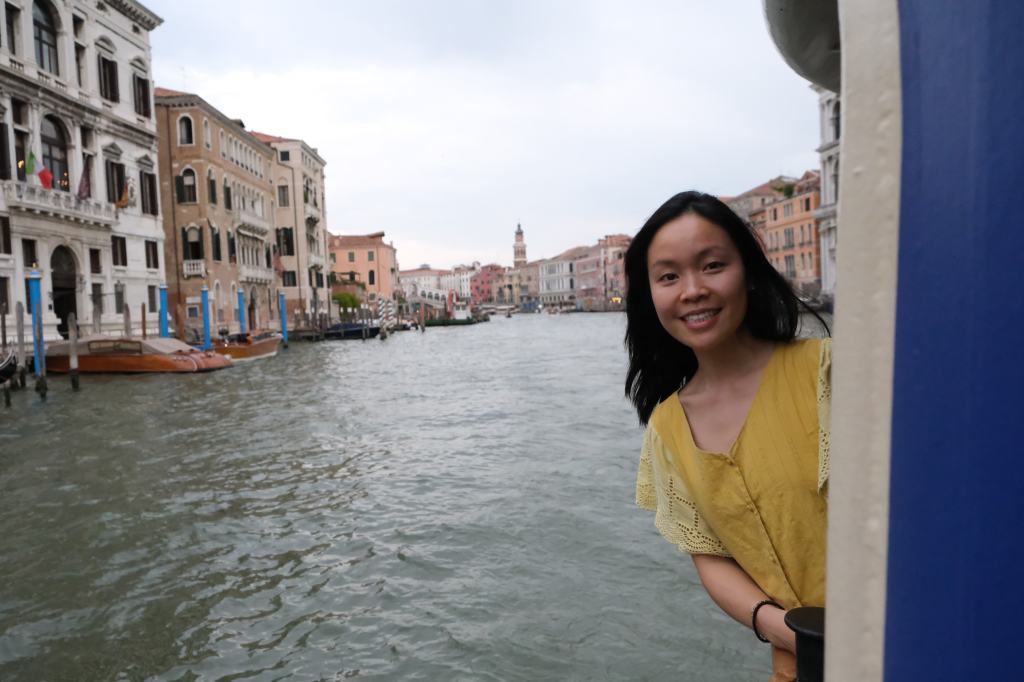
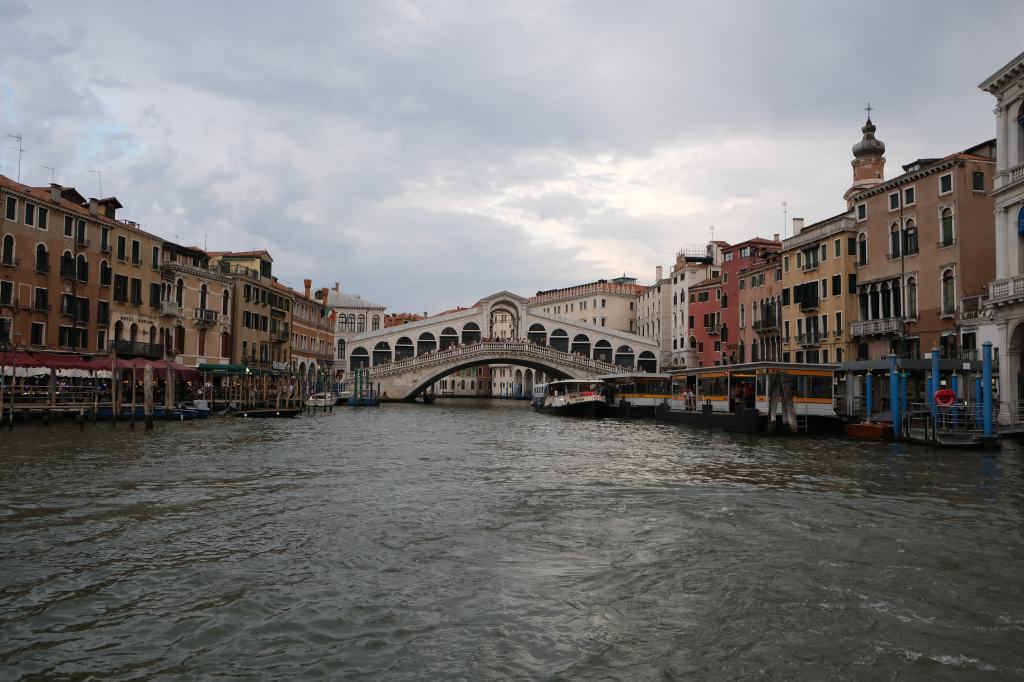
After catching the 4.1 Vaporetto back from Murano to Venice, we chose to ride another vaporetto around the Grand Canal to take in more of the sweeping Venetian views. Might as well make good use of that 25 Euro water bus day pass!
Pro tip: The views are best from the back of the vaporetto boat! You’ll get uninterrupted continuous panoramic shots of postcard-like Venice.
Ristorante Adriatica – Il Palazzo Experimental
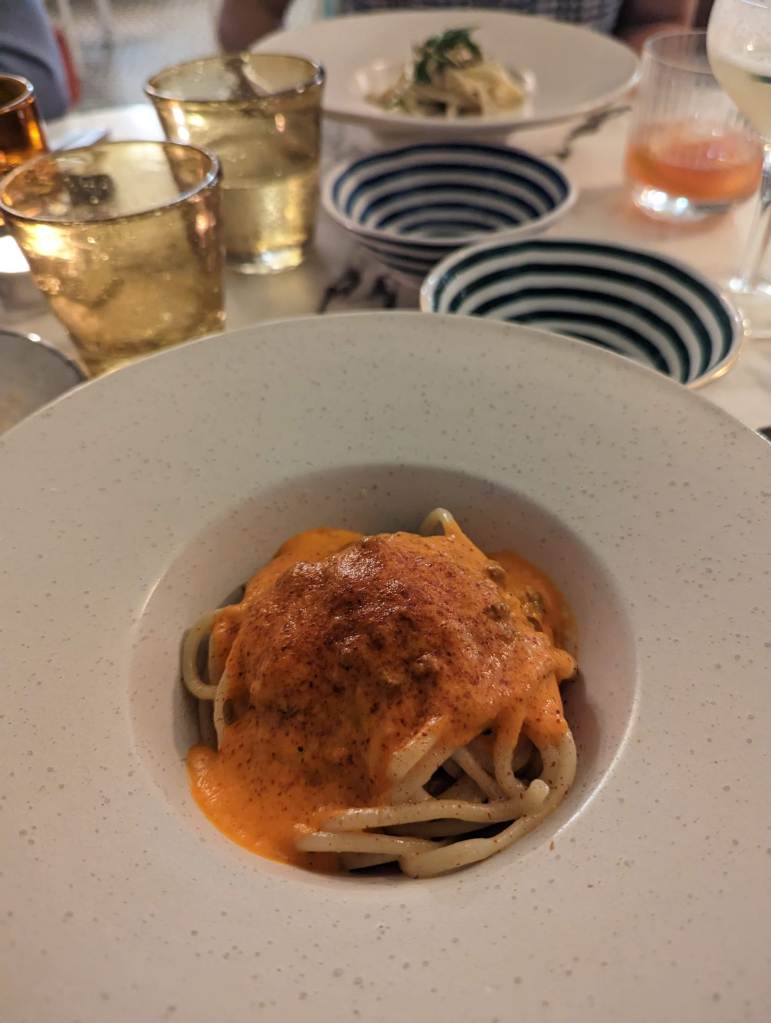
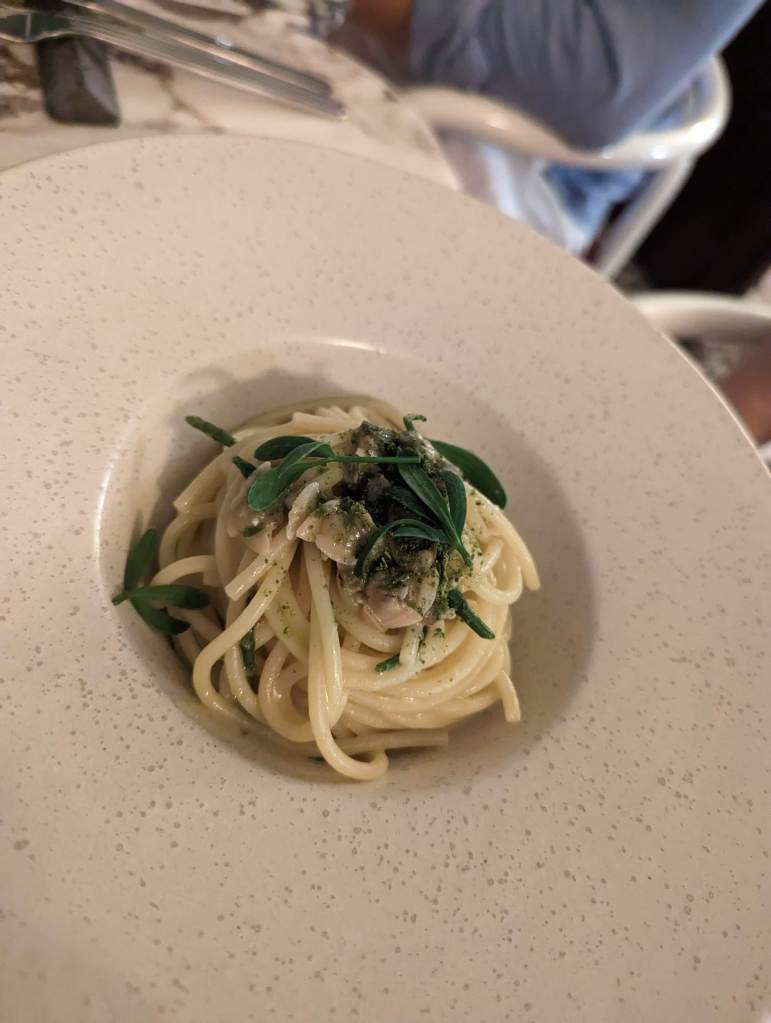
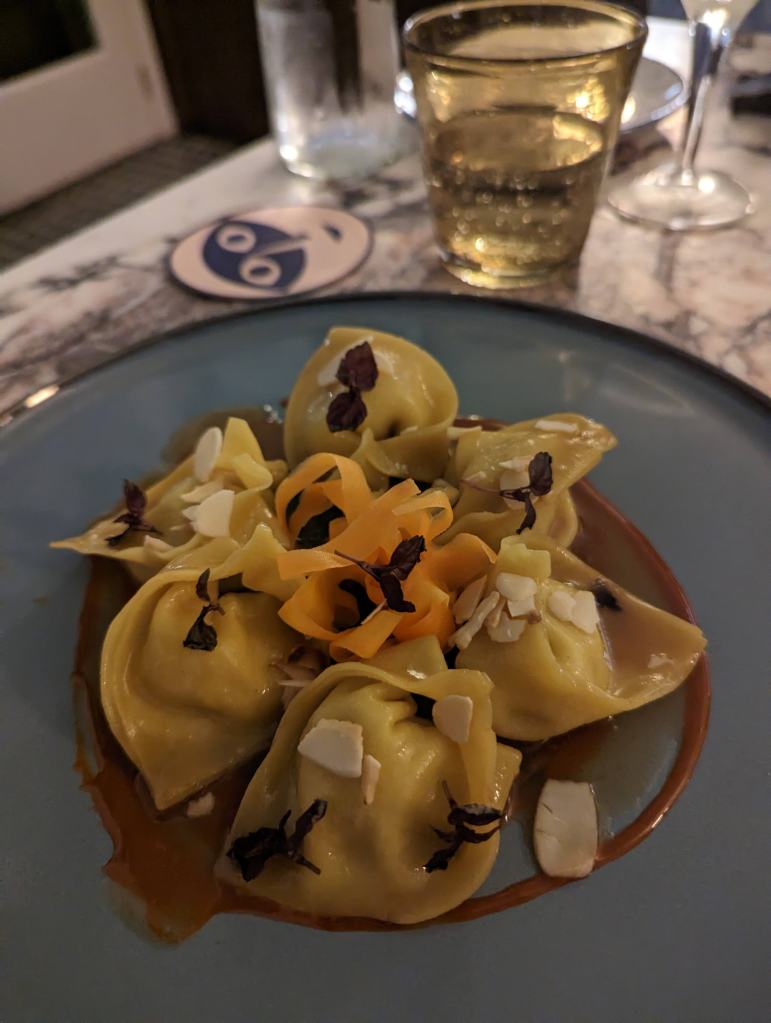
The evening’s dinner was planned for Ristorante Adriatica – Il Palazzo Experimental, known for its “Experimental Cocktail Club”. The food and drink were elegantly presented, the ambiance modern chic, and the food and drink quite pricey. Pasta dishes cost around 24 euro, cocktails 15 euro. While it was interesting to see the “modern cool” side of Venice gastronomy, I prefer the traditional places.
Things To Do Next Time In Venice
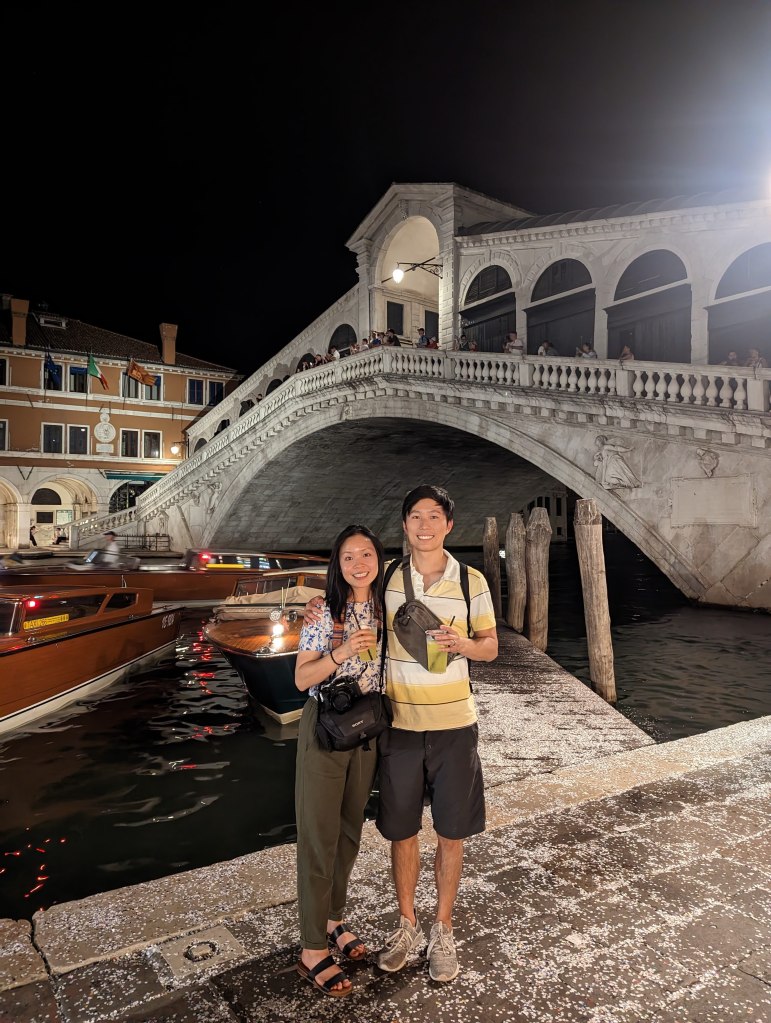
Even with a few days dedicated to Venice, there are still many places to see and food to eat that I researched but didn’t make onto our itinerary. Here they are, for your travel research as well as my own. Till next time, Venice!
Things to Do
- Squero San Trovaso gondola repair yard. Makes 1 new boat each year, taking 3 months. Osteria Al Squero overlooks the gondola repair workshop so you can snack while watching the gondola take shape.
- Gondola Traghetto to cross the Grand Canal. This only costs 2 Euro, which is much cheaper than the typically 80 Euro private gondola rides.
- St Zaccaria Crypt, close to St. Mark’s Square. The crypt, within a 9th century church, is flooded with water and costs 3 Euro to visit. The crypt contains the bodies of doges from the church’s early years. The entrance is at the Church of San Zaccaria via the Campo San Zaccaria. Upon entering, veer right and wait for the docent at the desk to the right.
- Calle Varisco (Varisco Alley): the tightest street in Venice.
Places To Eat
- Salvmeria
- La Columbina in the Cannaregio area
- Osteria al portego, near Rialto Bridge
- Tiramisu at I Tre Mercanti
- Cappuccino cookie at Nino & Friends, near Rialto Bridge
- Al Timon for cichetti in the Cannaregio area
- Cantina Aziende Agricole for wine and pasta in the Cannaregio area
- Birreria Zanon, a local cichetti bar in the Cannaregio area


 RoxReels
Leave a comment