Why Does Hong Kong Have So Many Residential Skyscrapers?
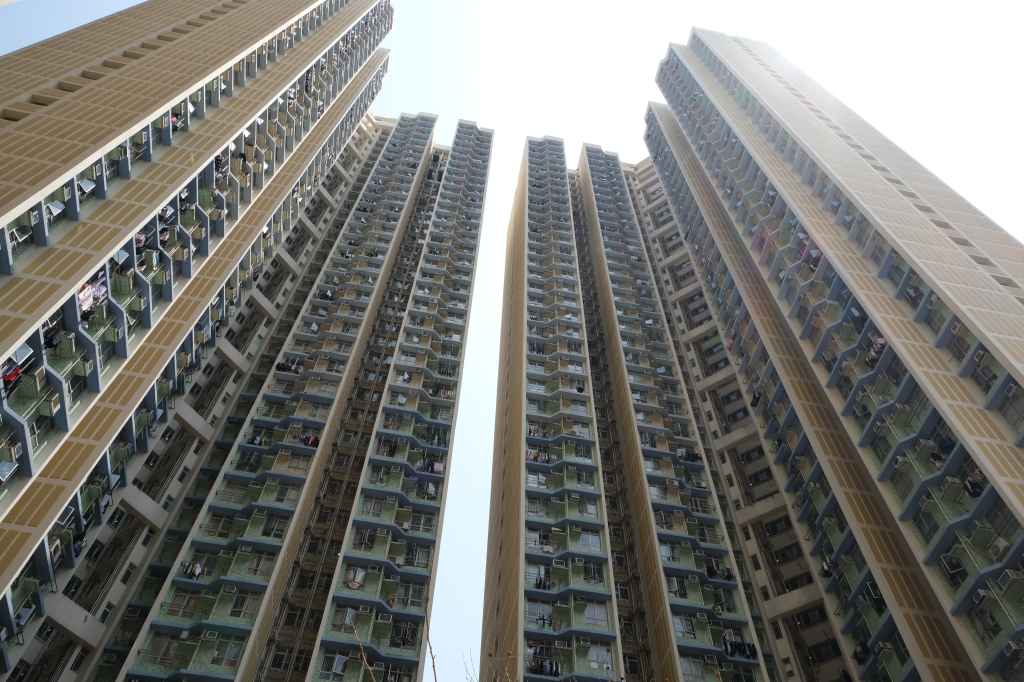
Hong Kong is a CITY. Dense urban development, buildings on top of buildings, countless apartment units in uncountably large blocks of real estate come to mind when picturing the urban jungle that is Hong Kong’s residential areas. When the grungy (but historic) shops and worn out (but so nostalgic) apartment balconies come together, it’s all so beautiful even if it’s a bit hauntingly so. Hong Kong’s concrete jungle is so very alive.
To understand Hong Kong’s public housing situation that led to the construction of all of these amazing and densely populated housing complexes, we need to think of Hong Kong’s history. During World War II, hundreds of thousands of political refugees fled Japanese occupation from China to Hong Kong. Soon after, even more refugees arrived in Hong Kong fleeing China’s 1949 Communist revolution. This huge influx of people nearly tripled the population Hong Kong over this time period. The mismatched supply and demand of housing for this population encouraged squatter camps to form and grow, along with significant accompanying sanitation and safety concerns. The inevitable breaking point occurred when a fire broke out at the Shek Kip Mei settlement on Christmas Day, 1953. This fire caused 50,000 people to become emergently homeless, spurring the development of Hong Kong’s formal public housing system. Over the course of two years, the Hong Kong Redevelopment Authority cleared out squatter camps and constructed high-rise apartment complexes.
There are now nearly a million public housing units, overseen by the Hong Kong Housing Authority and the Hong Kong Housing Society. Public housing units are heavily subsidized, aimed at providing housing for low-income individuals and families.
Choi Hung Estate
2 Tse Wai Ave, Ngau Chi Wan, Hong Kong
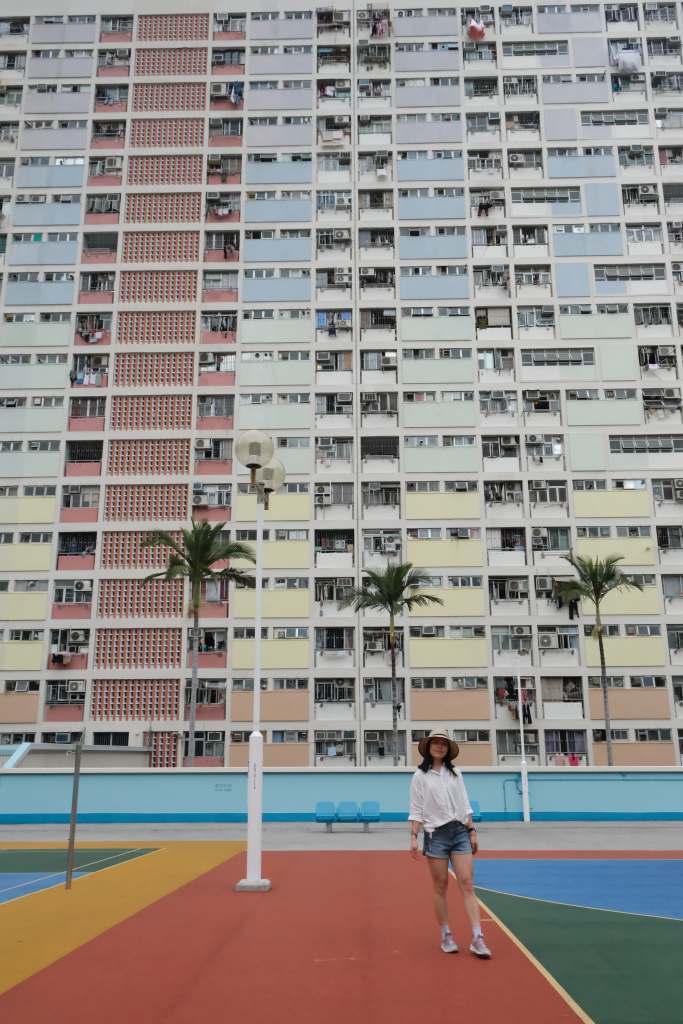

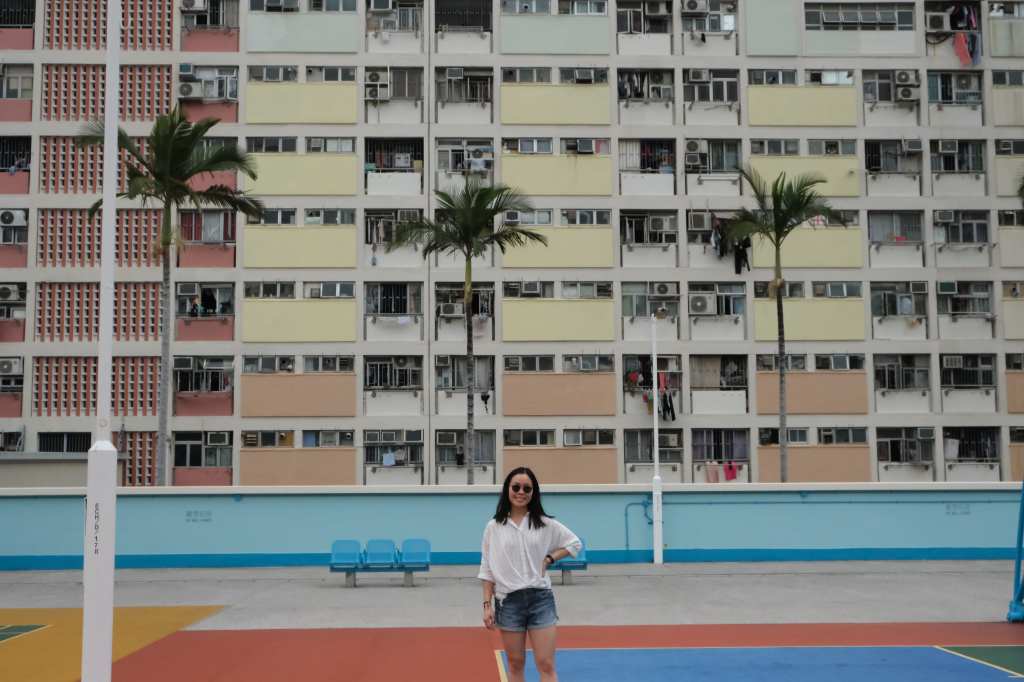
Literally translated as “Rainbow Estate,” Choi Hung Estate is beautiful and has become famous on social media. At the time of its opening in 1963, Choi Hung Estate was the largest public housing estate housing over 43,000 people.

Visitors flock to the elevated recreational area that offers sweeping views of the colorful buildings. Even after decades of sun-bleaching, the now pastel colors are still a sight to see.
Choi Hung Estate is more than just housing units. Incorporated among the 11 residential blocks are 5 schools and numerous family-owned shops and restaurants.
Choi Hung Estate is planned for redevelopment. This will occur in stages and the residents of the estate will have to be resettled.
Ping Shek Estate
2號 Clear Water Bay Rd, Ngau Chi Wan, Hong Kong
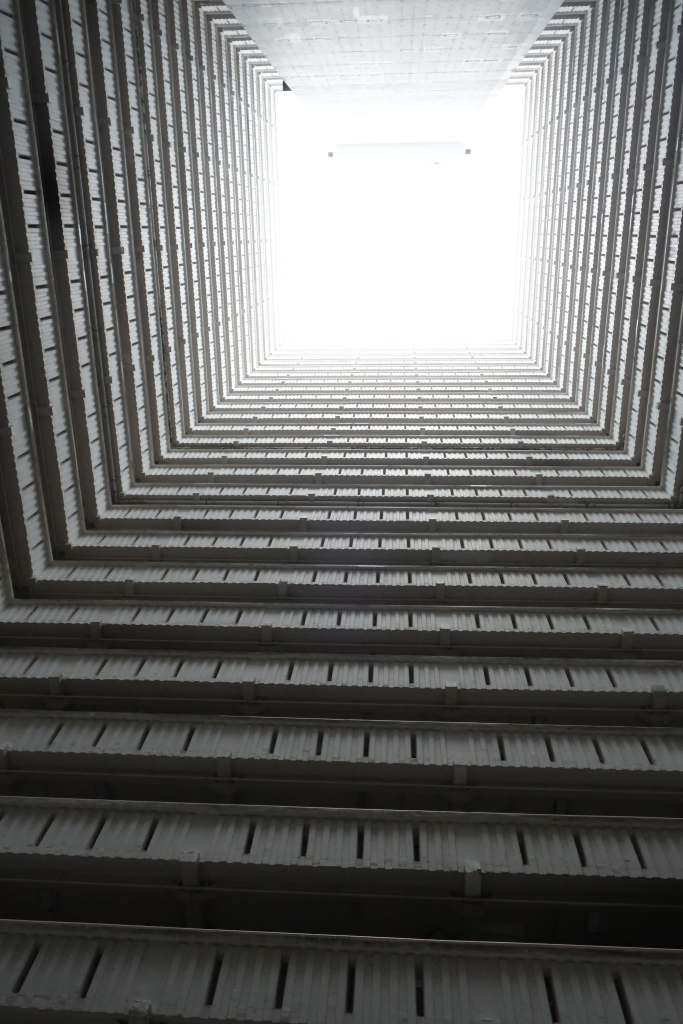
Ping Shek Estate’s architectural vibe is so different from that of Choi Hung Estate. This is what I love about exploring the various Hong Kong housing estates. Each residential mammoth is unique. While Choi Hung is colorful, Ping Shek is black and white. Choi Hung is playful, Ping Shek is almost austere. But they’re both visually stunning. Just walking around Hong Kong and gazing up at the buildings is like wandering an art museum.
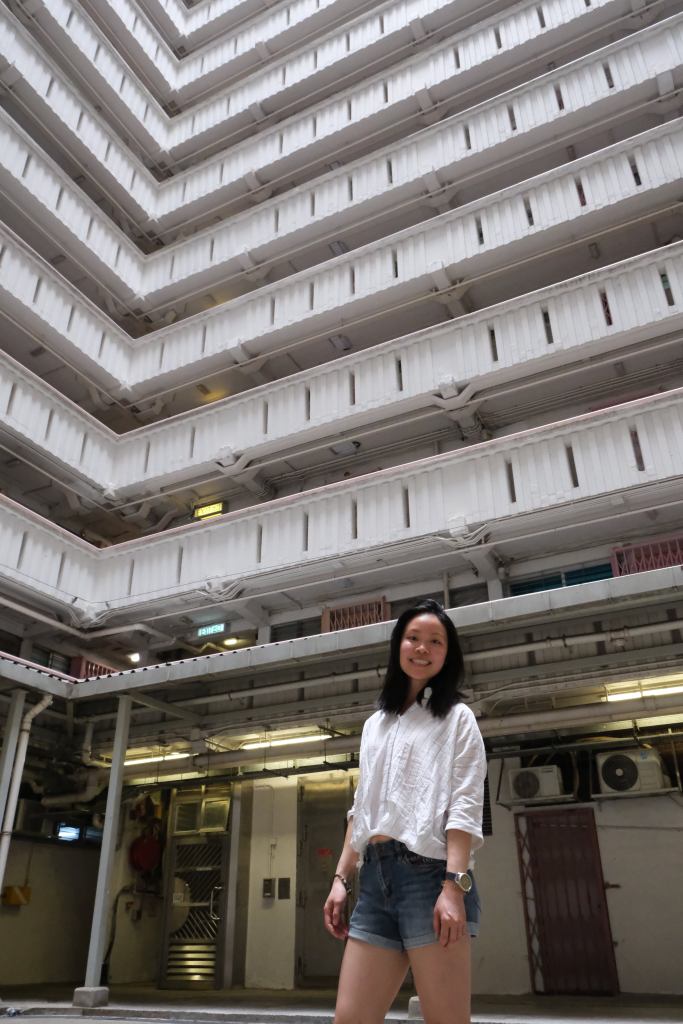
Ping Shek Estate was built in the 1970’s. An open-air courtyard offers a stunning view of a square of blinding daylight set against the deep shade of towering vertical walls of residential doors.
Monster Building
1028 King’s Rd, Quarry Bay, Hong Kong
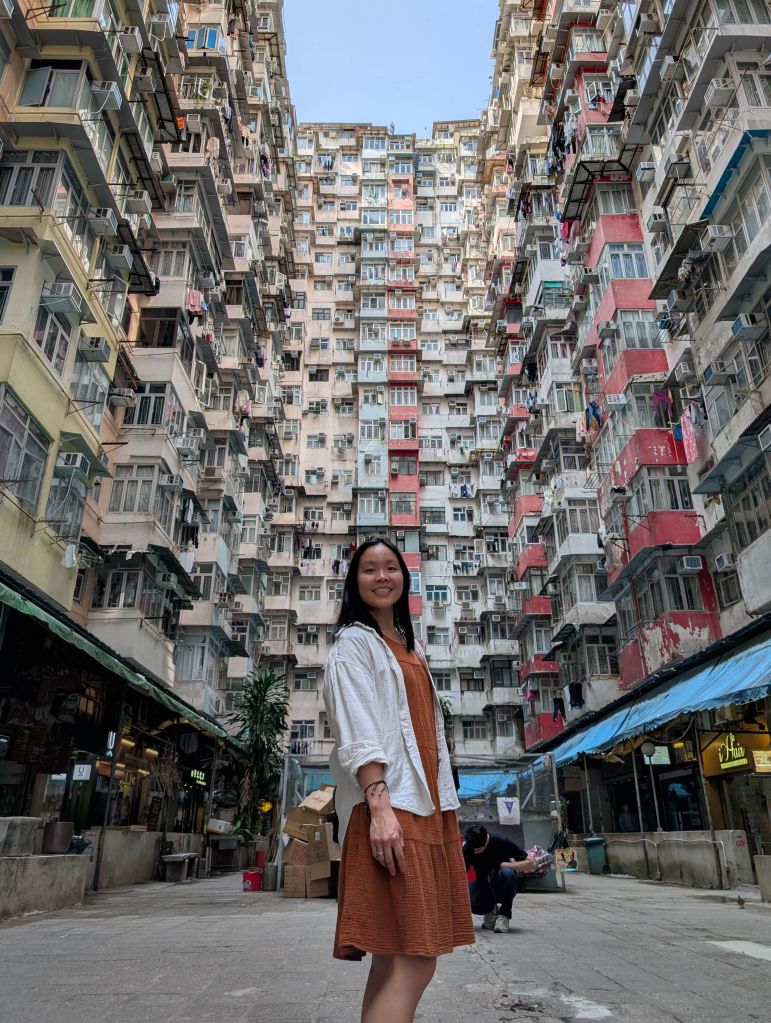
One of the most Insta-famous parts of Quarry Bay is the Yick Cheong Building, a public housing concrete giant nicknamed the “Monster Building.” The Monster Building is a group of 5 different buildings within the same complex, in closely spaced formation but leaving space for two courtyards.
The atmosphere at the Monster Building is very serene and subdued. Standing in the ground level courtyard makes you feel so small. You’re fully surrounded by faded but still colorful towering apartment building giants, their windows sporting air conditioning units and rods of clothes flapping gently as they dried in the wind. The sheer density of the apartment unit balconies is staggering. The surrounding sounds of other people moving about are somehow muted and the air feels still and cool, in the deep shade of the concrete giants. It reminded me of the cool stillness of hiking beneath a rainforest canopy, except of course this time we were surrounded by concrete giants rather than redwoods or sequoias. It was strikingly, almost hauntingly, beautiful.
The Yick Cheong Building apartment complex includes over 2,200 units, reportedly housing about 10,000 residents. Keep in mind that despite their current fame, these buildings are still residential buildings and people actually live there, so be respectful during your visit.
Mei Ho House Of Shek Kip Mei Estates
41, 70 Berwick St, Shek Kip Mei, Hong Kong
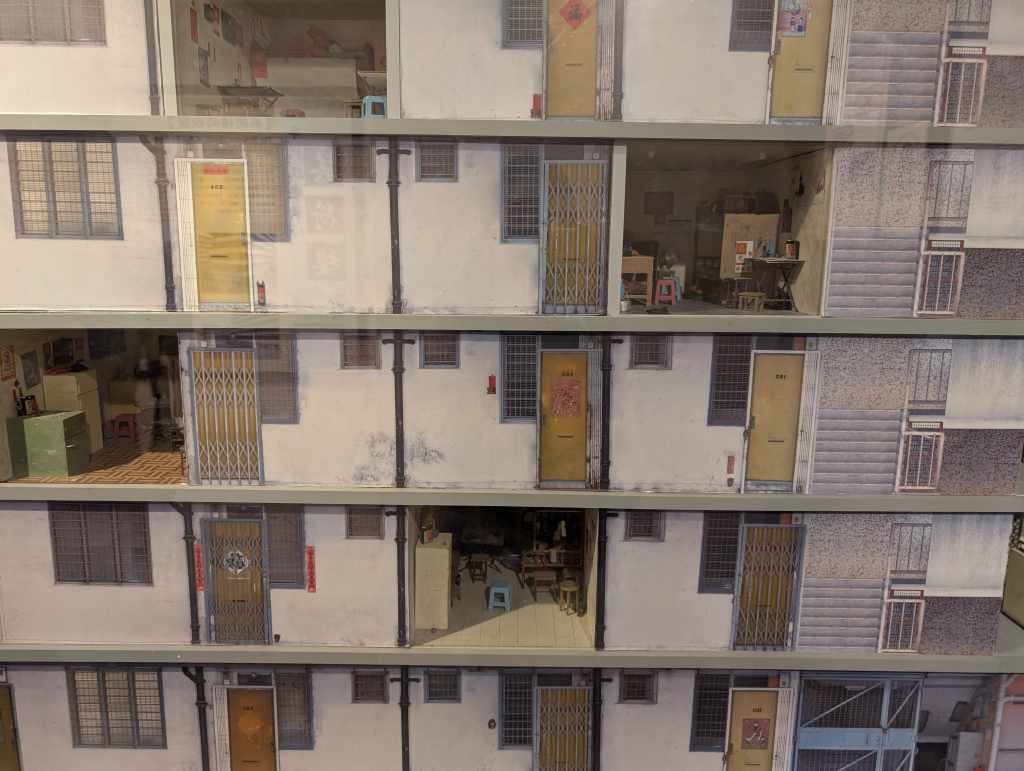
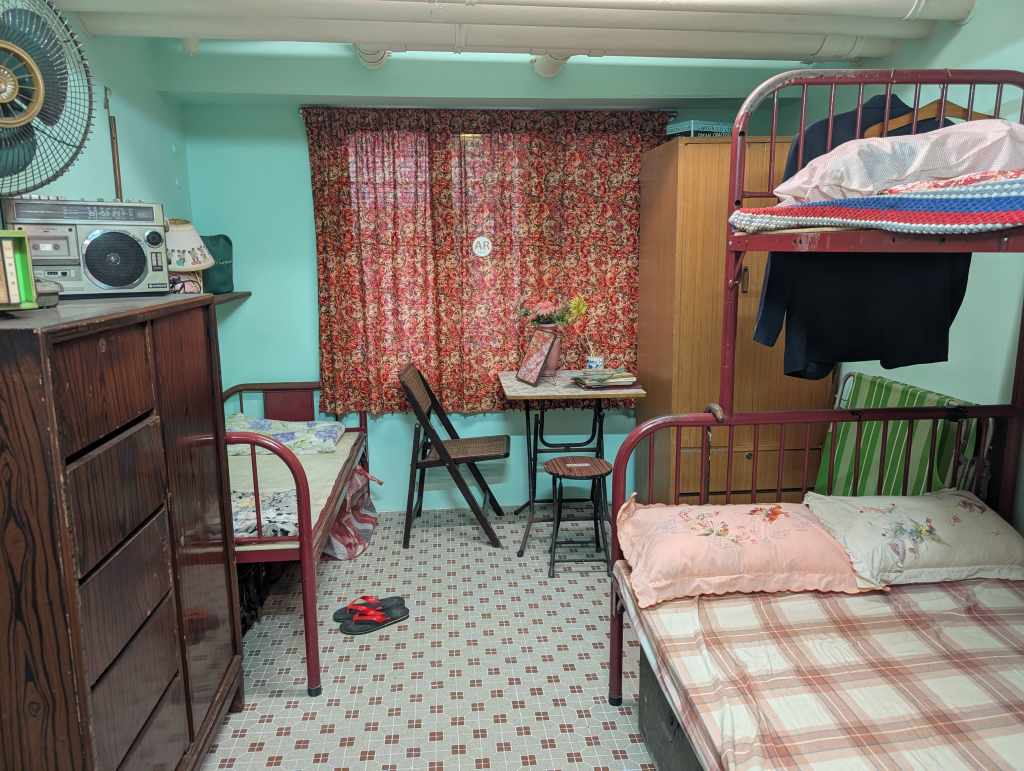
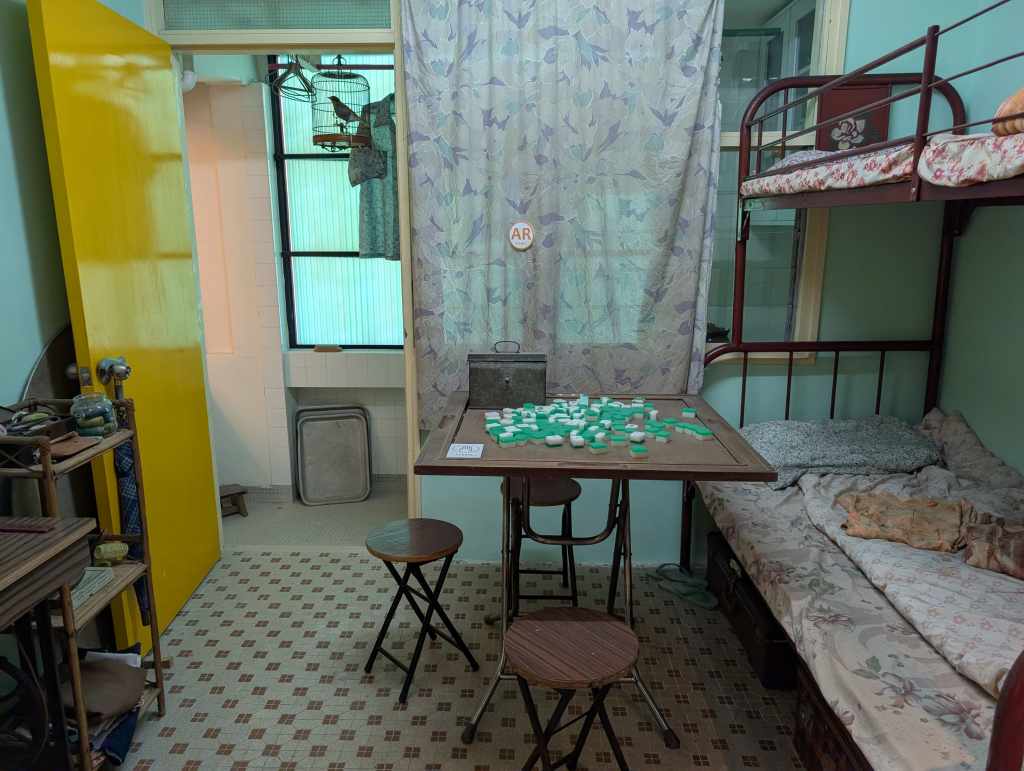
The history of Shek Kip Mei is noteworthy as Hong Kong’s first public housing estate. Part of the former Shek Kip Mei Estate that was Hong Kong’s first public housing estate project built in the 1950’s, the Mei Ho House was purposefully preserved and now operates as a youth hostel and heritage museum of the history of Hong Kong public housing.

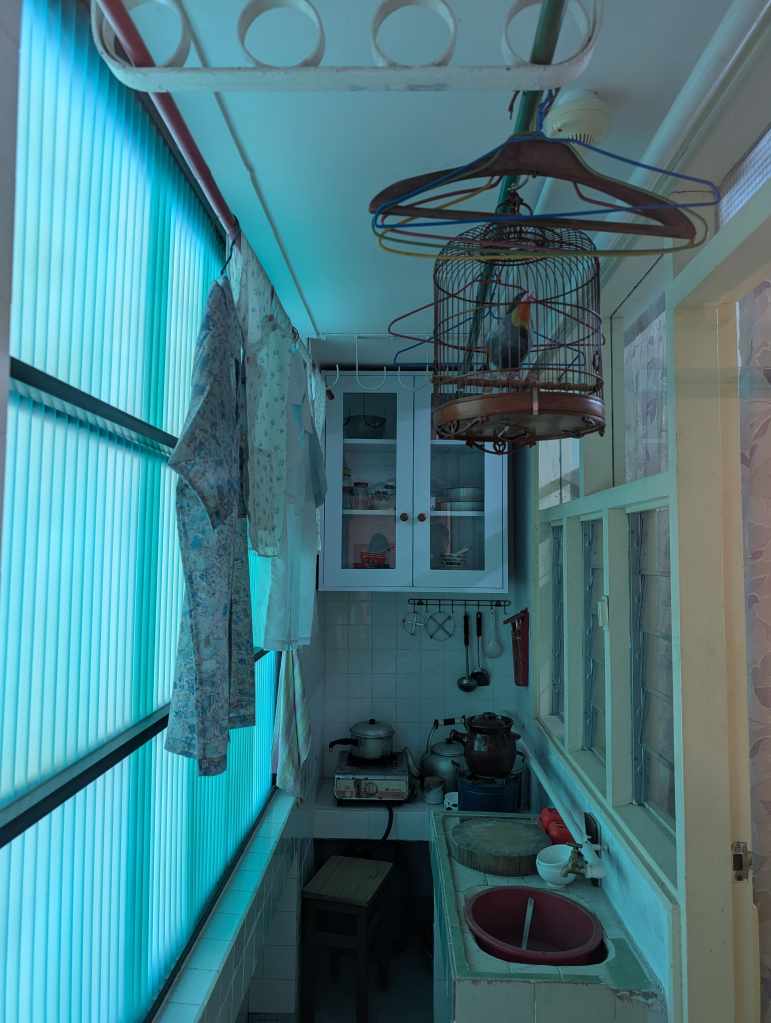
The free Mei Ho House museum offers depictions of life in Hong Kong dating back to the 1950’s and the birth of Hong Kong housing high-rise buildings. It’s a worthwhile visit to put yourself in life-size recreations of the life and housing environment of Hong Kong in that time period.
Garden Hill Hike
Berwick St, Shek Kip Mei, Hong Kong
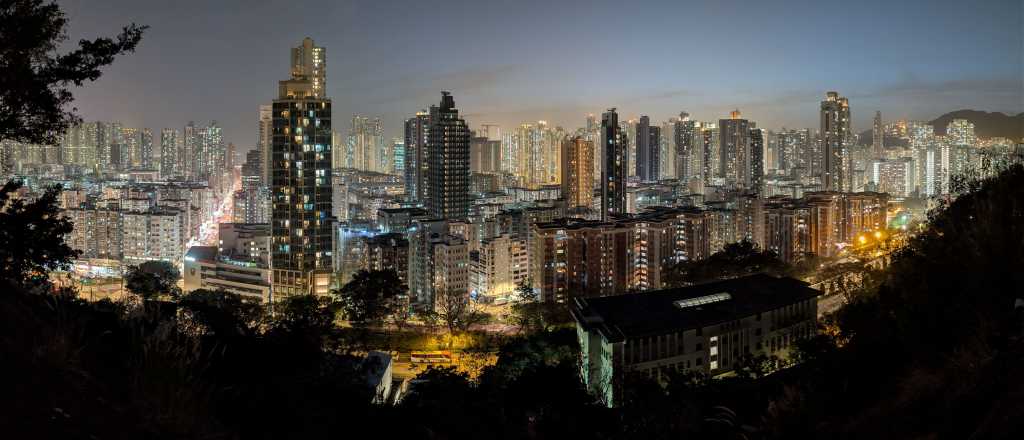
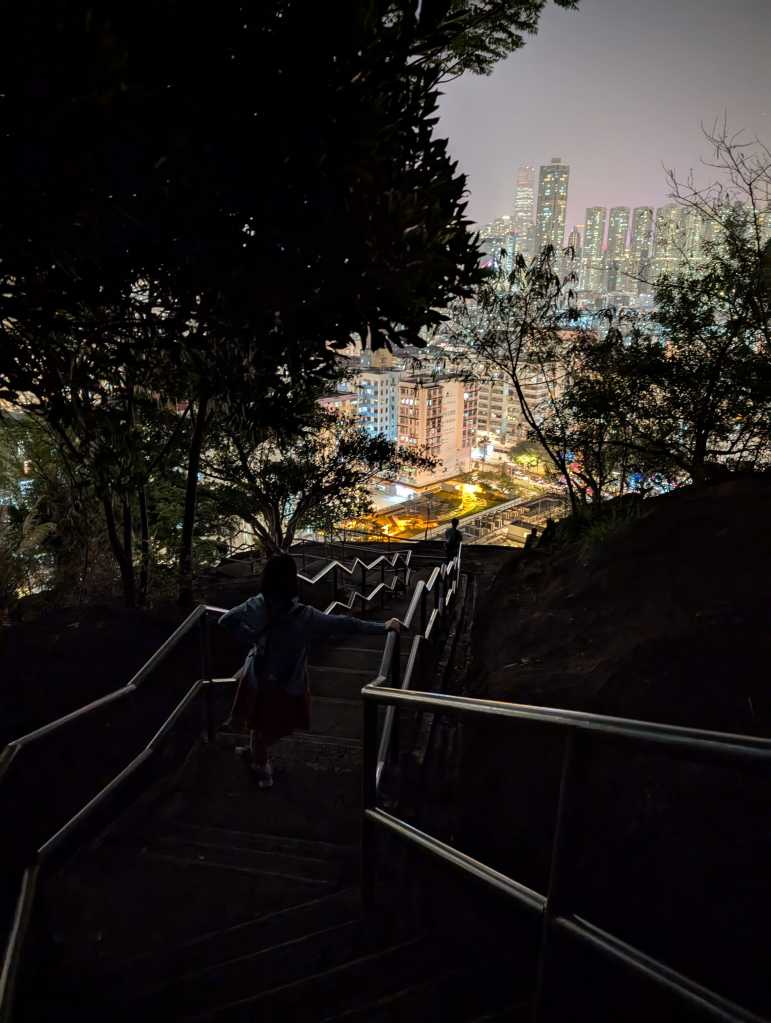
Right around the corner of the Mei Ho House is the start of the Garden Hill hike. The best place to find the trail is on Berwick Street. Walk along the southeast side of the Mei Ho House until you reach the trailhead at the back of Mei Ho House. A series of steps and winding pathways take you up to a panoramic view of the Hong Kong city skyline from a unique inland perspective. I recommend hiking Garden Hill at nighttime for spectacularly sparkly photos of the lit up high-rises. Be sure to have a charged phone or flashlight to see your steps after nightfall.


 RoxReels
Leave a comment