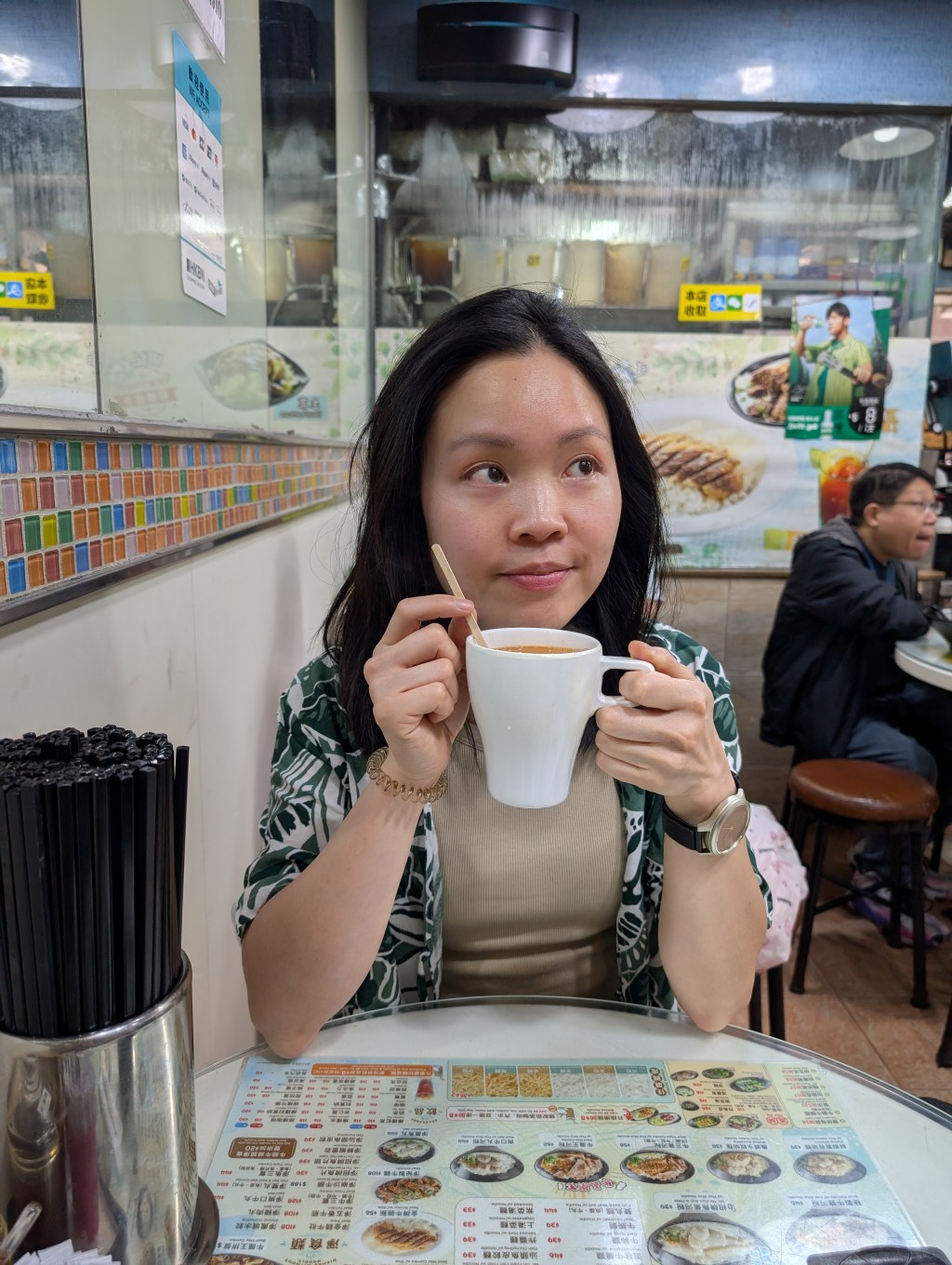
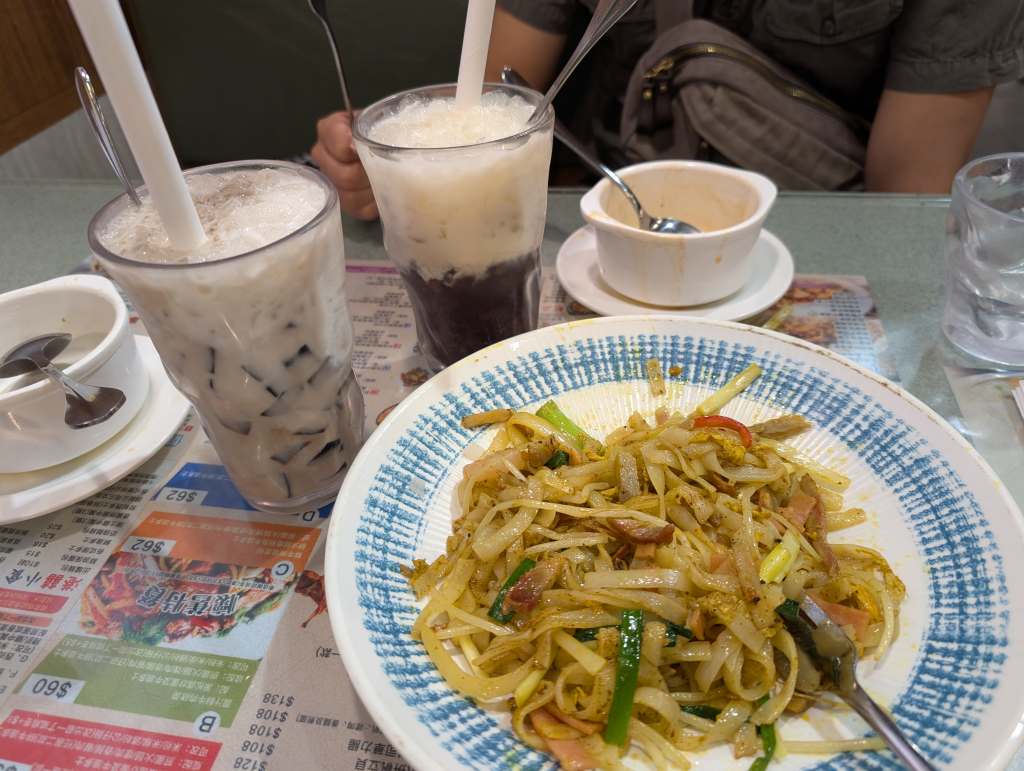
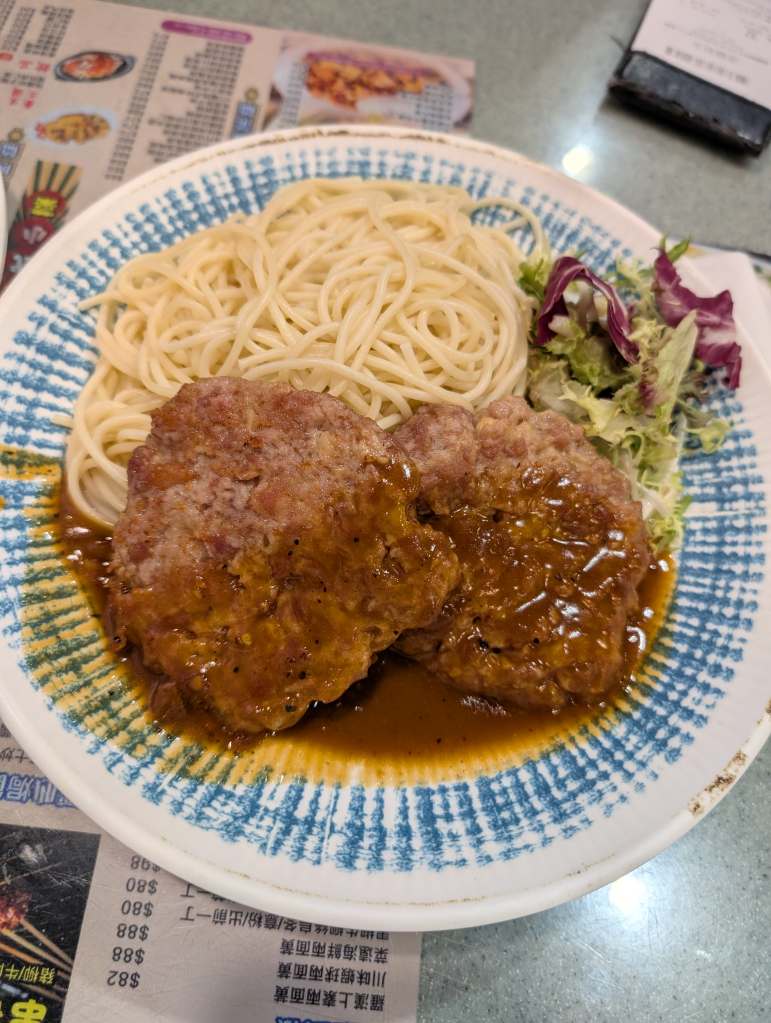
On a scale of no-frills to fancy, I’ll usually pick no-frills restaurants when traveling. Local eateries and historic establishments abound in wonderfully delicious Hong Kong, and we used essentially all of our meal times (and stomach space) eating among the locals. Here’s where we ate and loved on our Hong Kong trip!
Note: Hong Kong breakfast is a different ballgame altogether, and definitely don’t miss out on the best Hong Kong breakfast cafes we visited during our trip! This post you’re reading now focuses on all the other times we ate during our time in Hong Kong- lunch, afternoon snack, teatime, early dinner, second dinner, etc. These dining options aren’t in order of preference — we basically loved 90% of everything we ate in this whole city.
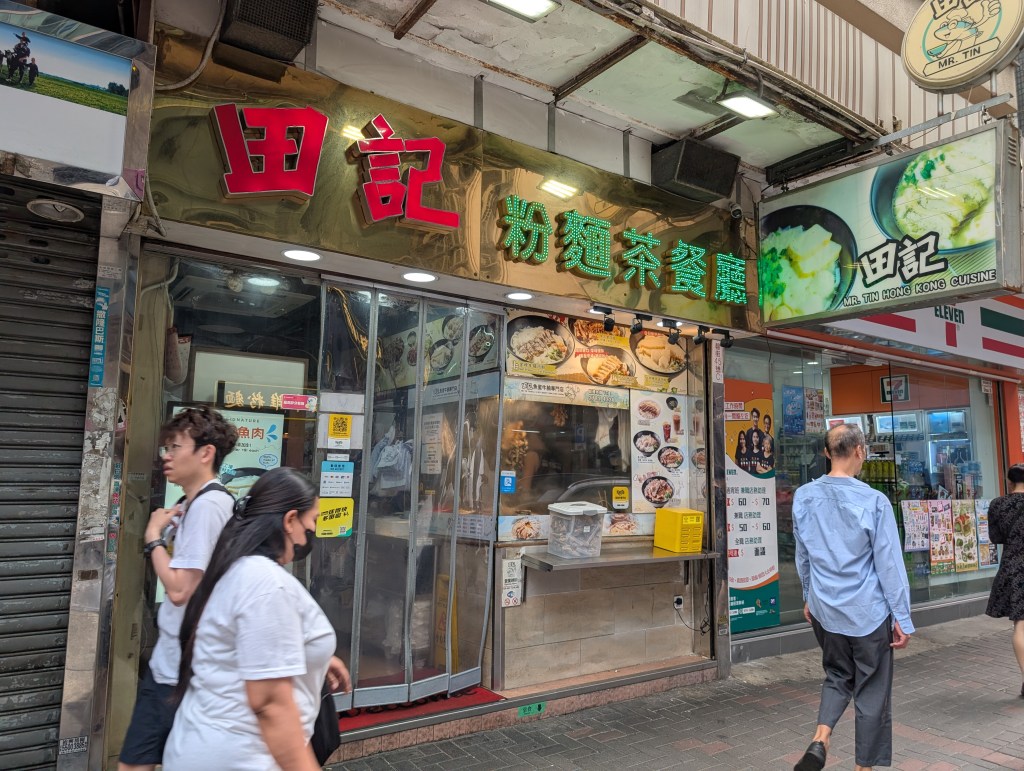
Mr. Tin Hong Kong Cuisine
Hong Kong, Yau Ma Tei, Pitt St, 45C地下
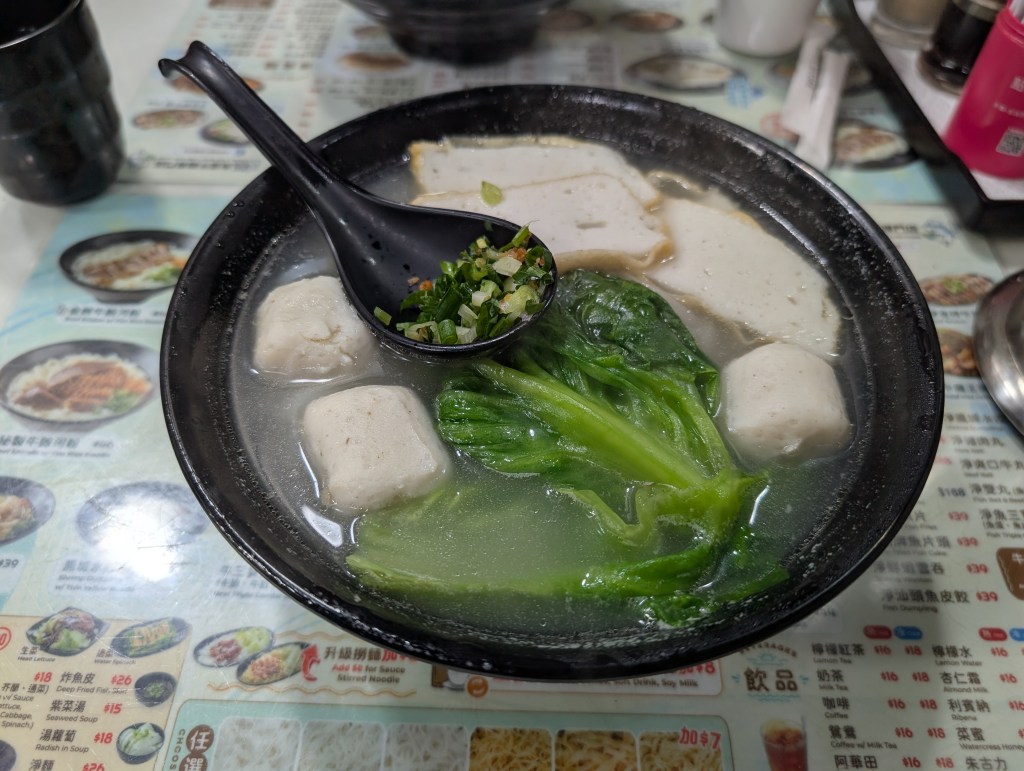
Repeat after me: “I promise I will try fish ball rice noodle soup when I visit Hong Kong.”
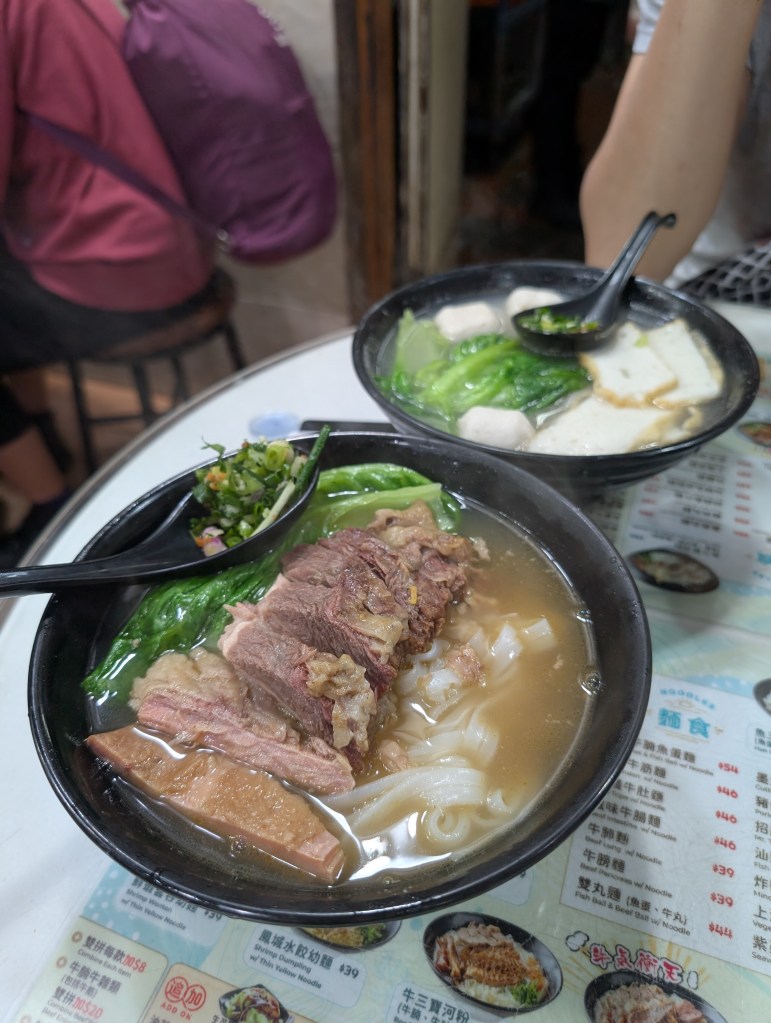
This steaming bowl of rice noodles swimming in an umami and savory but never briney clear broth, topped with springy homemade fish balls and fish tofu, was the second best thing I consumed during our two weeks in Hong Kong. This was a very hyped dish for me personally, and I had high expectations. Let me just say that Mr. Tin delivered. You walk in and are the opposite of blown away by the ambience– crowded seating, locals crouched around small tables knocking knees, and the local news playing on a old TV in the background. Service is quick and expectedly no-frills. Bowls of noodle soup come out steaming and I recommend you don’t dilly dally before digging in since the noodles are freshest and springiest at the beginning. Letting them soak in the piping hot soup for too long can let them get mushy.
We tried the rice noodles with beef brisket and the rice noodles with fish balls. Fish balls are an integral part of Hong Kong food culture – establishments pride themselves on delivering a springy, crisp mouthful in the tender nuggets of fish ball and fish tofu. Everything in my bowl was delectable and like a performance, each part performing perfectly. The broth, the noodles, the fish balls, all just *chef’s kiss.
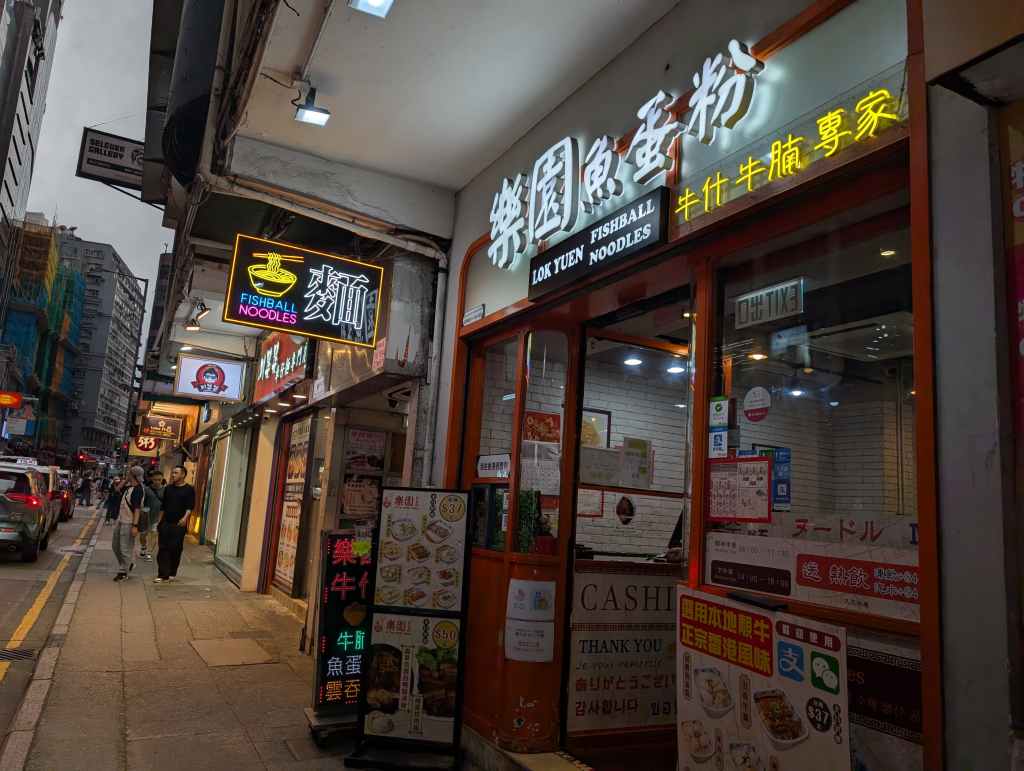
Lok Yuen FishballNoodles
Hong Kong, Tsim Sha Tsui, Cameron Rd, 21C號號舖
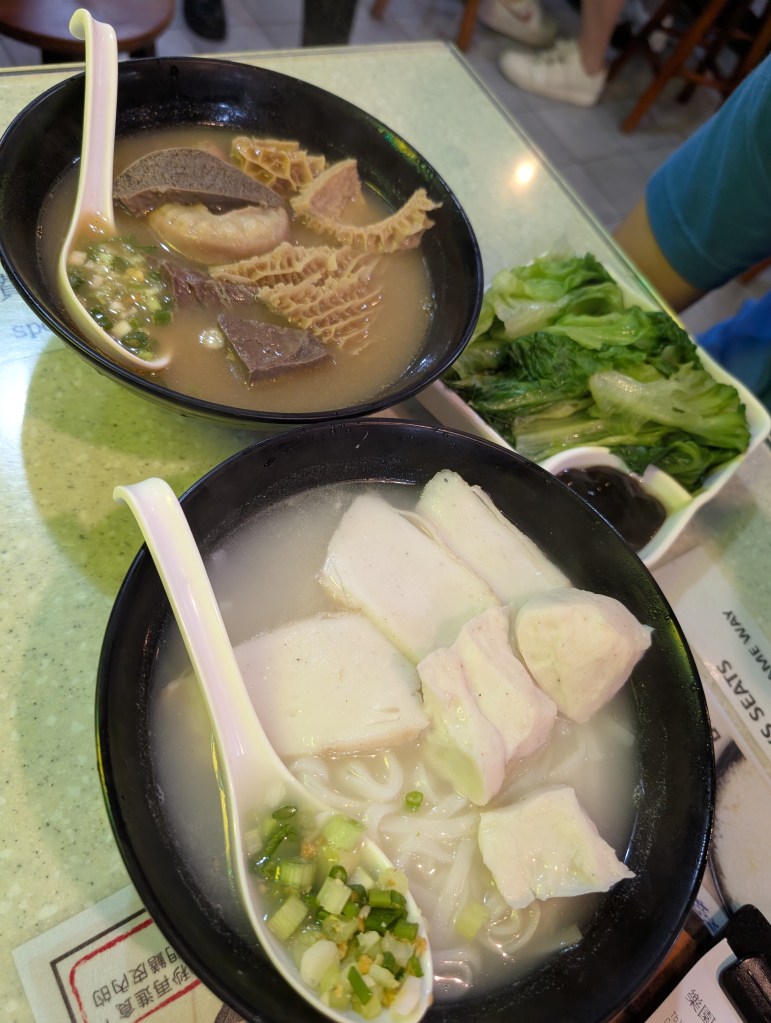
You know how I said that Mr. Tin’s dish of fish ball rice noodle soup was my “second best” dining experience in Hong Kong? Lok Yuen’s version tops it, ever so slightly, making it officially my favorite fishball noodle soup in Hong Kong. Lok Yuen is located in the Tsim Sha Tsui area. We ordered the fishball wide rice noodle soup and the other very popular menu item of beef offal egg noodle soup. The texture of the fishball was somewhere in between the firm Tai O style and the softer more tender texture of Mr. Tin’s fishballs. The soup at Lok Yuen was also lighter and less salty, aromatic from fried onion, scallion, and celery. I could have eaten 3 bowls.
Islam Food Since 1950
Shun King Building, 33-35 Tak Ku Ling Rd, Kowloon City, Hong Kong
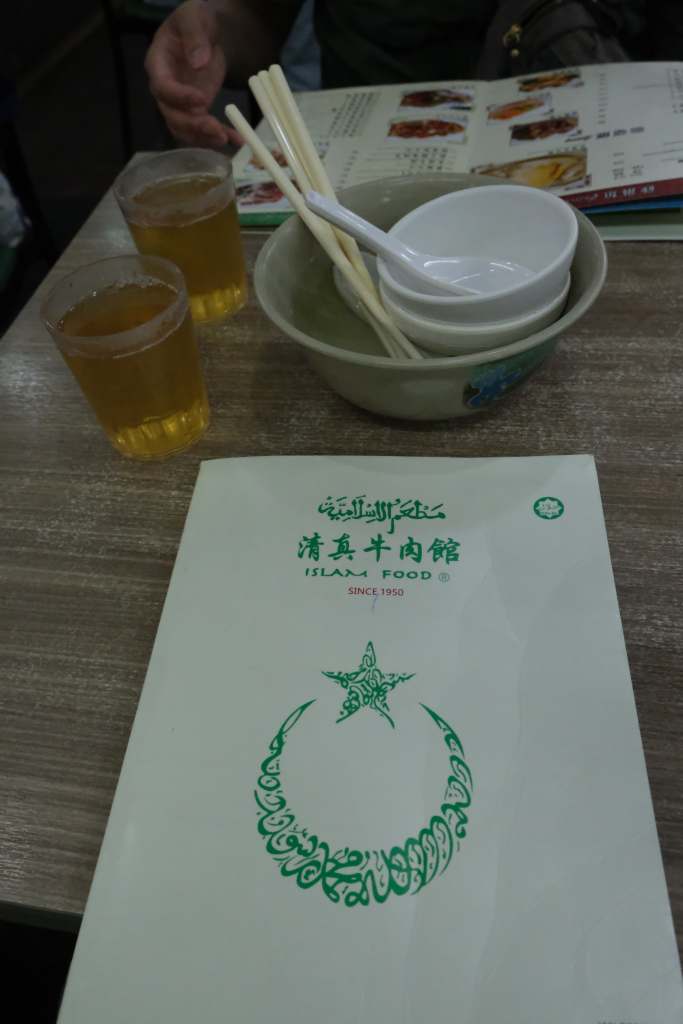
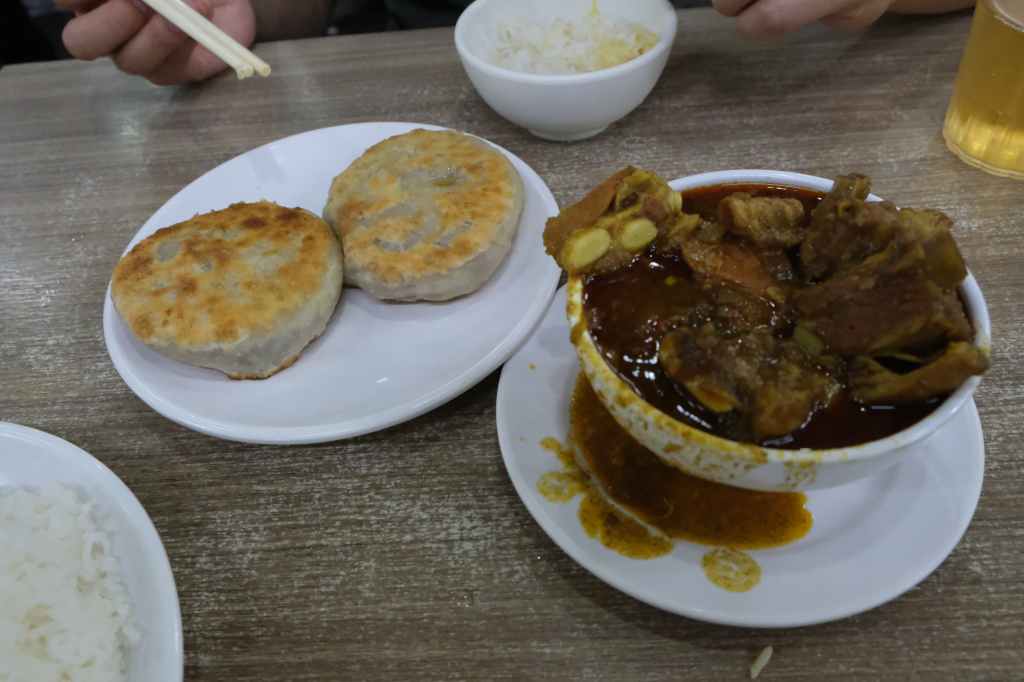
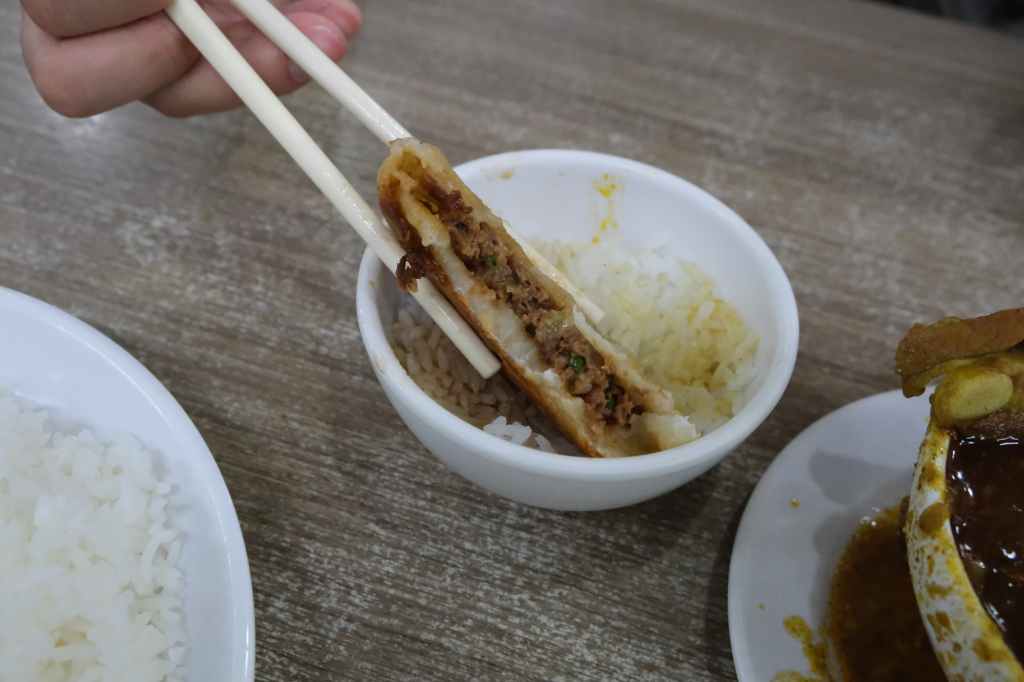
The original owner of Islam Food restaurant, Mr. Ma, initially learned to make Pakistani curry for Muslim police officers in Hong Kong’s Sheung Wan area back in the 1930’s. Mr. Ma’s restaurant entrepreneurial adventures went through a few iterations of “Islamic Food Shop” until current day, where the beloved “Islam Food Restaurant” continues to fill happy bellies at its location in Kowloon. We visited more for a snack rather than an entire meal. We tried the pan fried beef bun and mutton curry. My honest opinion: pretty cool to eat at such a historic establishment, but I’m glad we didn’t eat an entire meal’s worth of food here so we had stomach space for other Chinese goodies!
Yat Lok Restaurant
Hong Kong, Central, Stanley St, 34-38號G/F
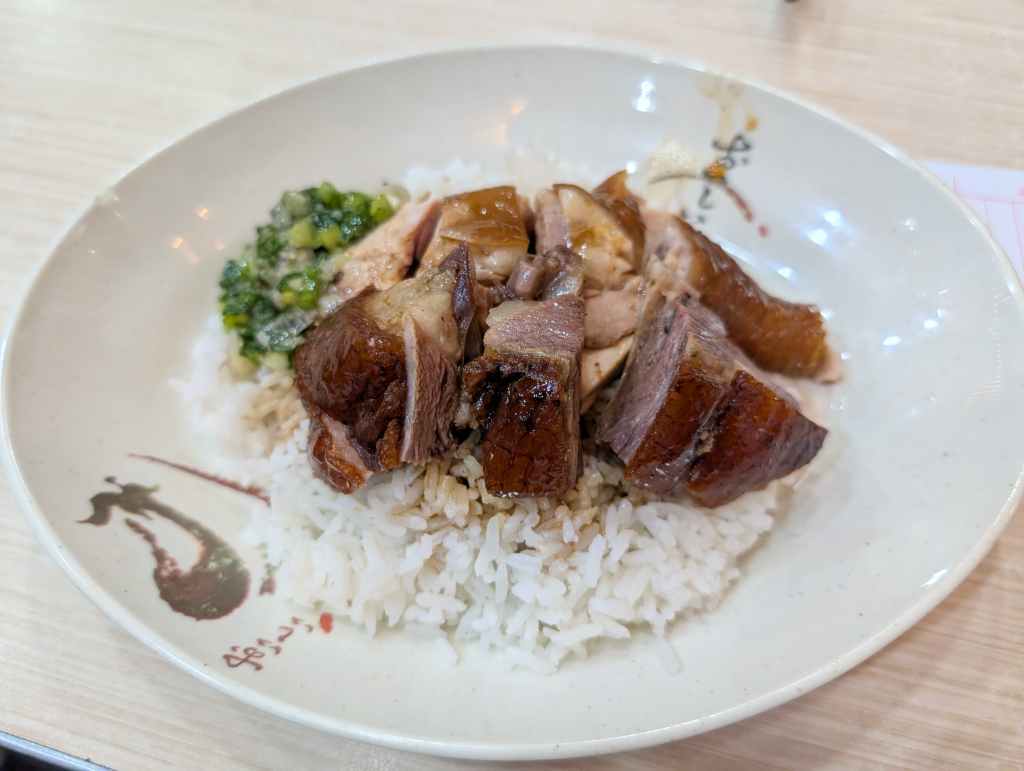
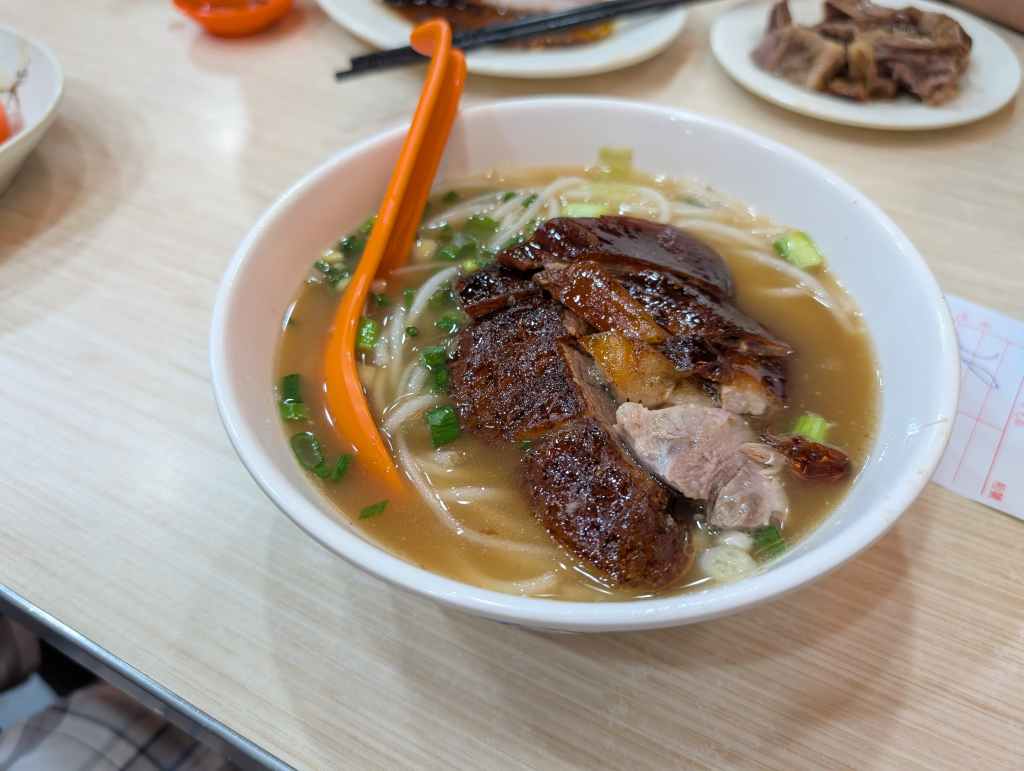
Yat Lok has a location in both Central and Jordan. This restaurant, one of Hong Kong’s many establishments featured on the Michelin Guide, is known for its roast goose. Marinated, loved, and roasted to a crispy and glistening perfection- the goose skin is the best part of each bite. We tried the roast goose and soy sauce chicken over rice, as well as the roast goose served atop a bowl of noodle soup. For such a popular place, the wait was surprisingly moderate and the line moved quickly.
Mak’s Noodle
77 Wellington St, Central, Hong Kong
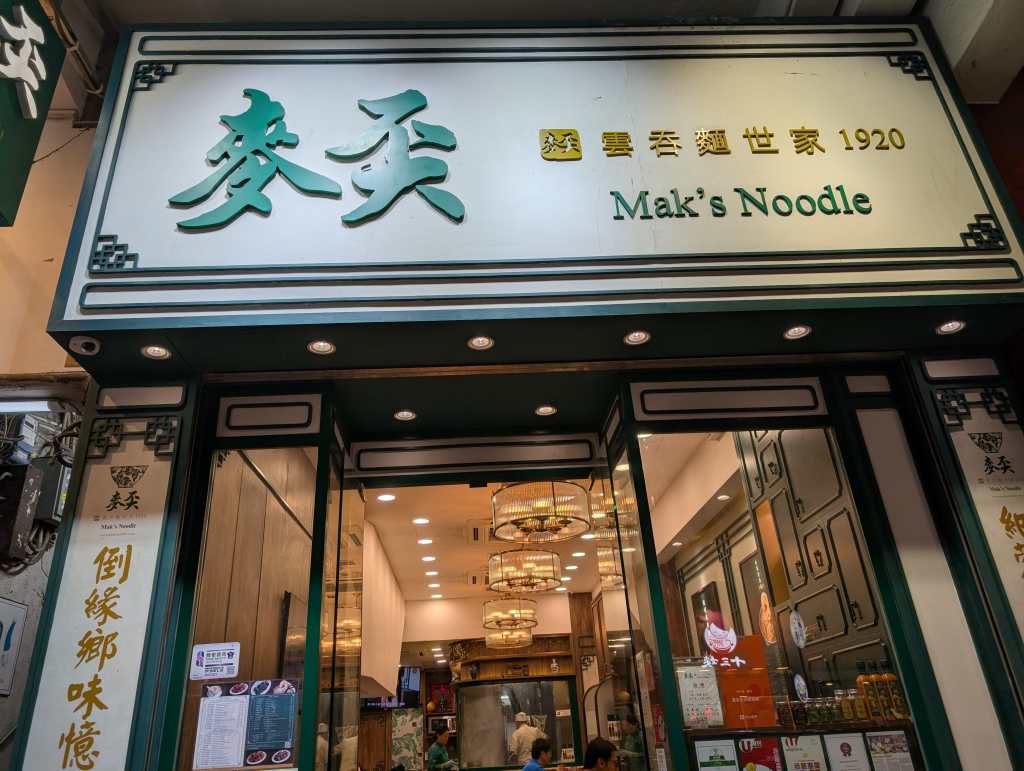
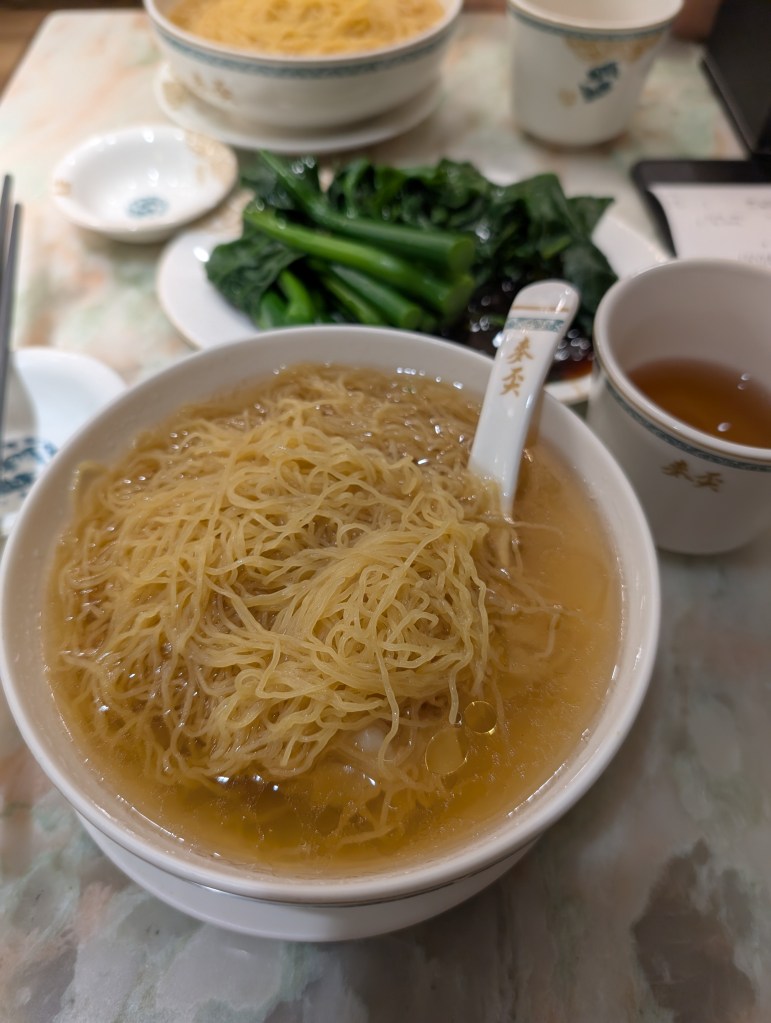
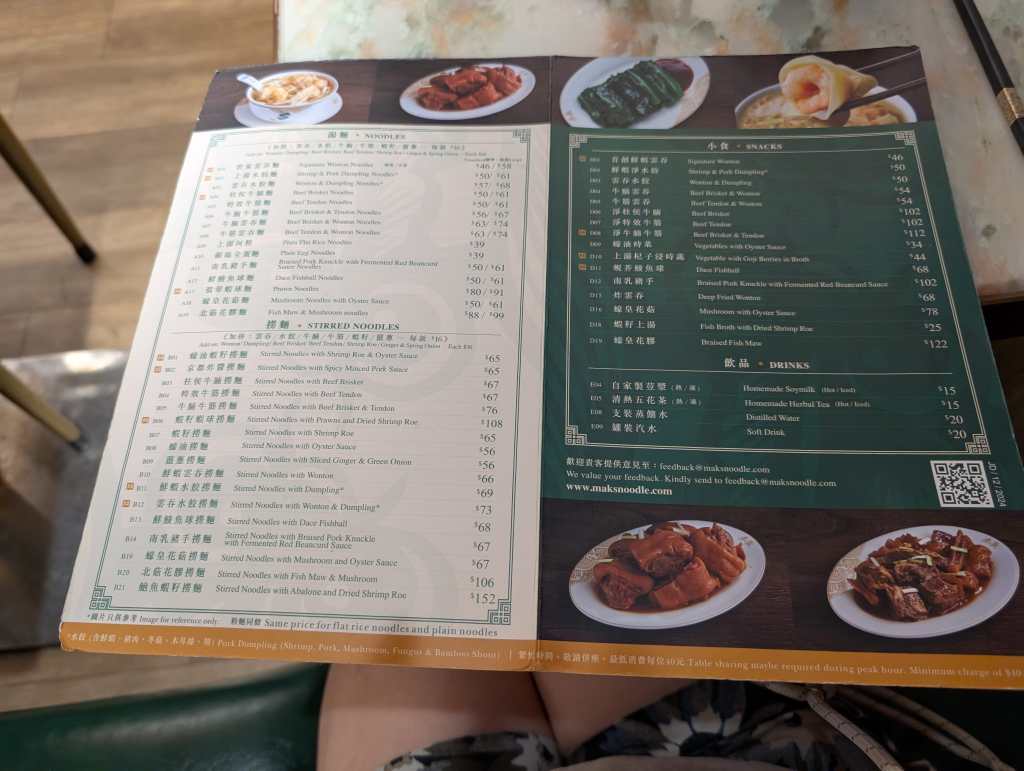
Come to Mak’s for a bowl of shrimp wonton egg noodle soup. The egg noodles were of an impressively springy texture, but not significantly better than other egg noodles we had during our time in Hong Kong like at Lok Yuen. The wontons, however, were lightyears better than any wonton I’ve had the US, and now I don’t think I can enjoy shrimp wontons outside of Hong Kong anymore. The shrimp in the wontons were very crisply fresh, and the wonton skin rolled out super thin. The sheer quality of each little wonton blew me away.
Oi Man Sung
Sham Shui Po Building, 1A-1C Shek Kip Mei St, Sham Shui Po, Hong Kong
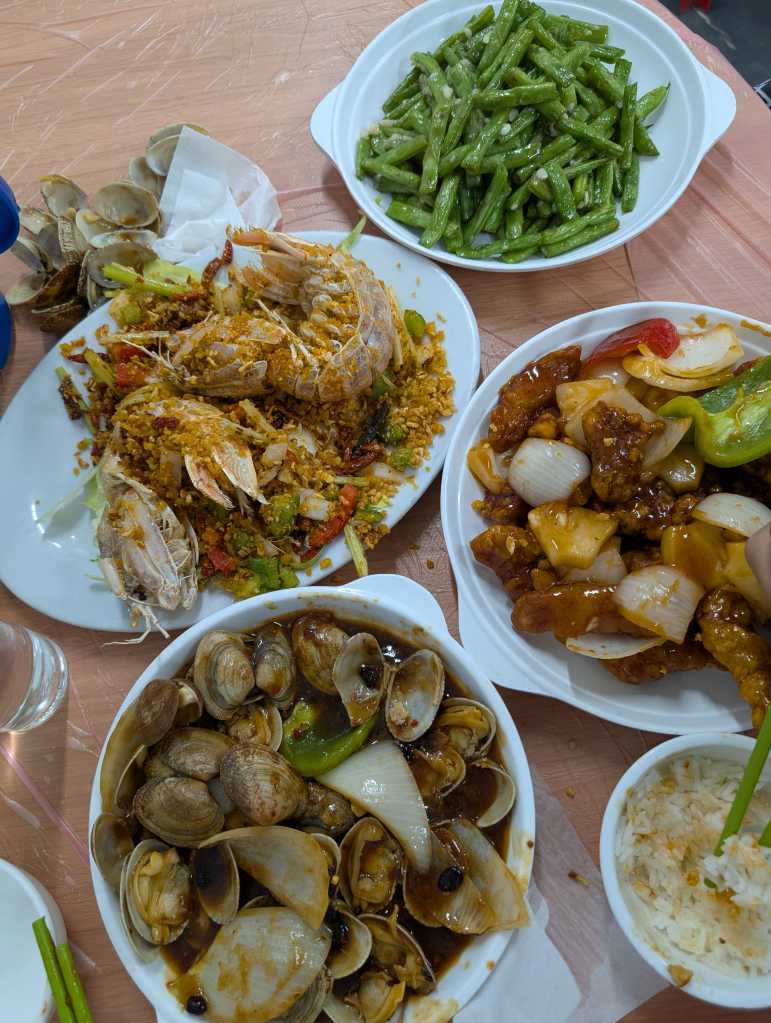
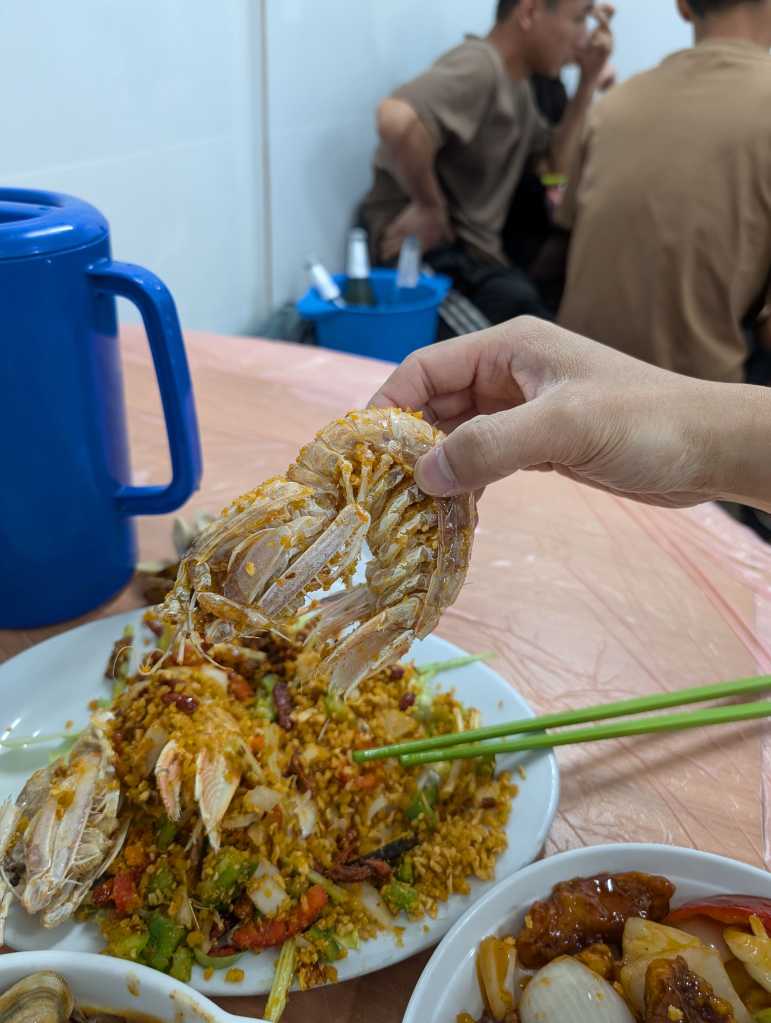
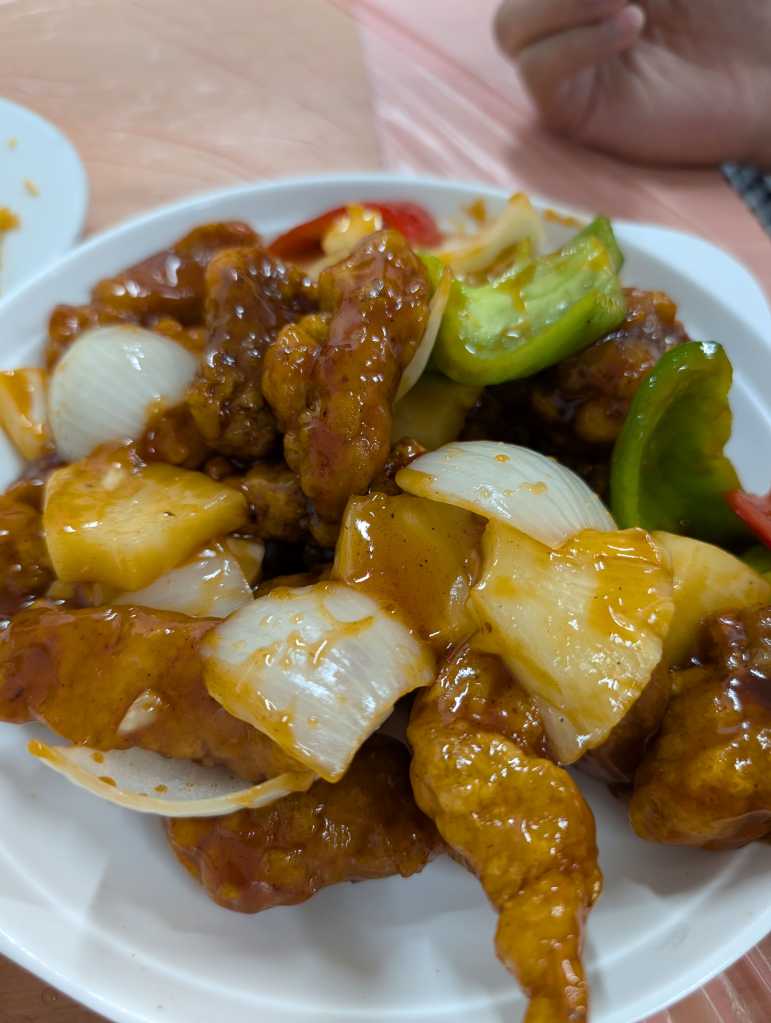
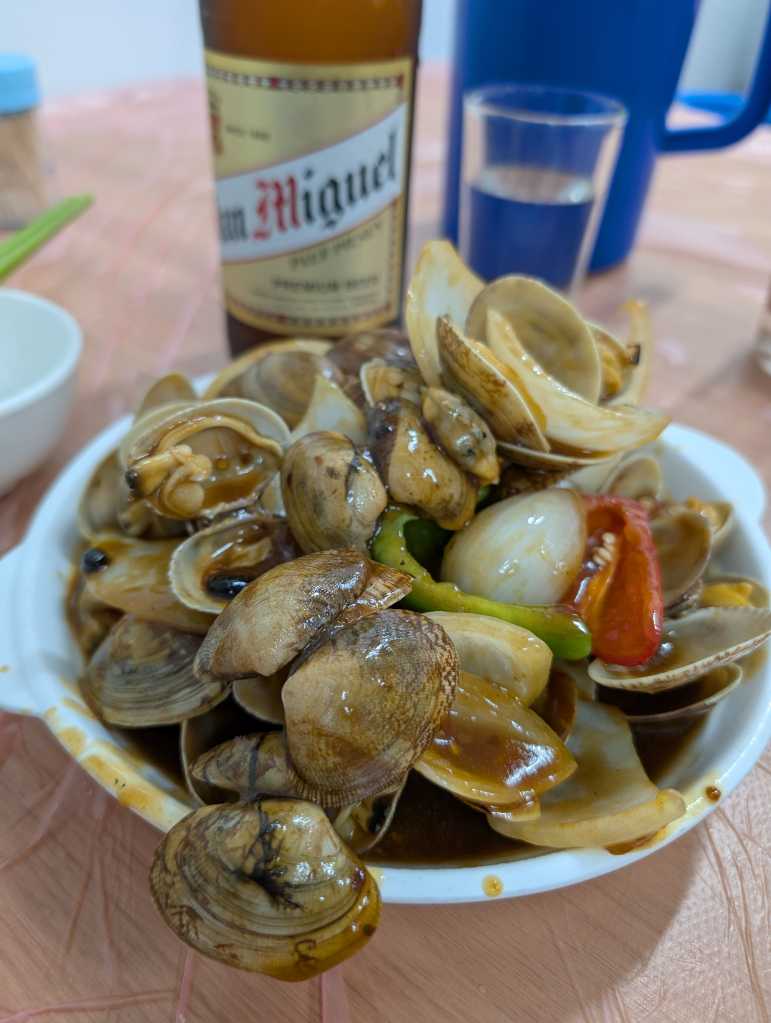
I saved the best for last! Oi Man Sung was on our “Must Eat In Hong Kong” super short list. We knew we wanted to dine at a historic “dai pai dong” and I’m so glad we did, because it was so fun!
A “dai pai dong” is an open-air eatery, beloved in the minds and memories of Hong Kong locals as it’s a dying breed. “Dai Pai” means “big license,” referring to the relatively larger size of eatery license issued to these fixed location establishments compared to the smaller sized licenses issued to mobile food vendors. “Dong” means stall, so “dai pai dong” literally translates to “big license stall.”
Dai pai dong licenses were abundant in the 1940’s as the British Hong Kong government sought to regulate unlicensed food stalls as well as provide economic and gastronomic sustenance to the crowds of post-WWII families. Open air food stalls served up many different specialties ranging from seafood to congee to noodles to Chiuchow cuisine. The dai pai dong became a working-class hub for delicious, cheap, and casual meals. However, they were also seen as unhygienic and contributed to street crowding and air pollution as delicious but smoky air filled residential streets from the rows of unventilated stalls. To curb this, the government stopped issuing new dai pai dong licenses in the 1950’s and limited the transfer of existing licenses only to spouses. Over the subsequent years, the number of dai pai dong establishments has dwindled from a peak of 200 during the hey-day years to only about 25 now, with eateries either closing down as their owners retire. Some dai pai dongs are also being moved into physical shops in lieu of their prior street-side presences. There may be hope still, though, for the dai pai dong’s future. In 2005, the owner of historic dai pai dong Man Yuen Noodles passed away, and the restaurant could not continue due to license restrictions. Public and legislative attention drawn to the emotional closing of the historic food stall has since prompted the consideration of less stringent dai pai dong license restrictions.
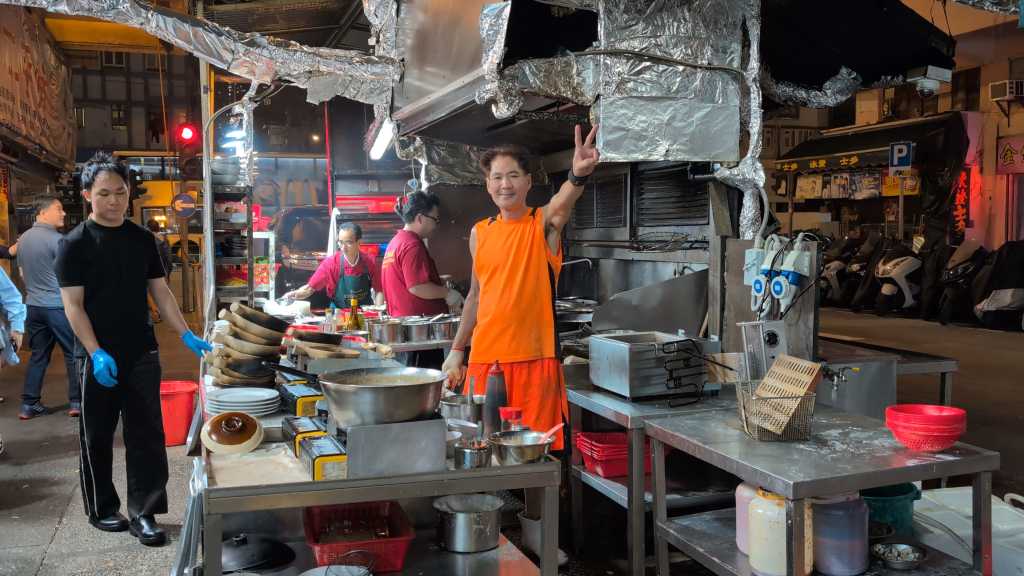
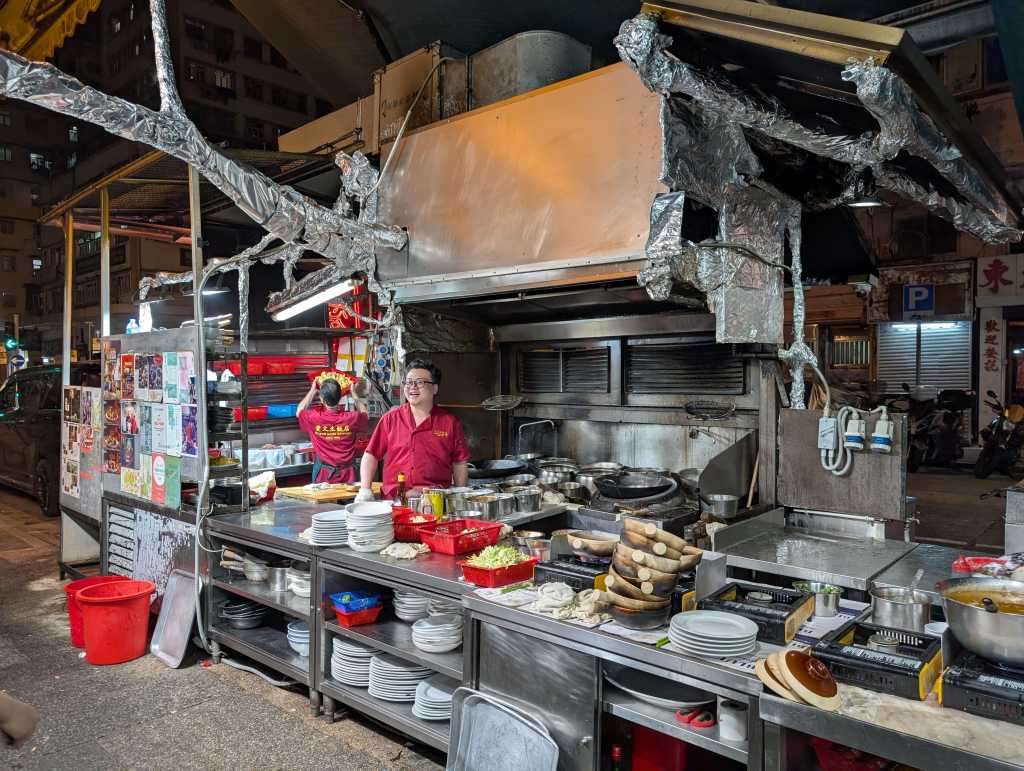
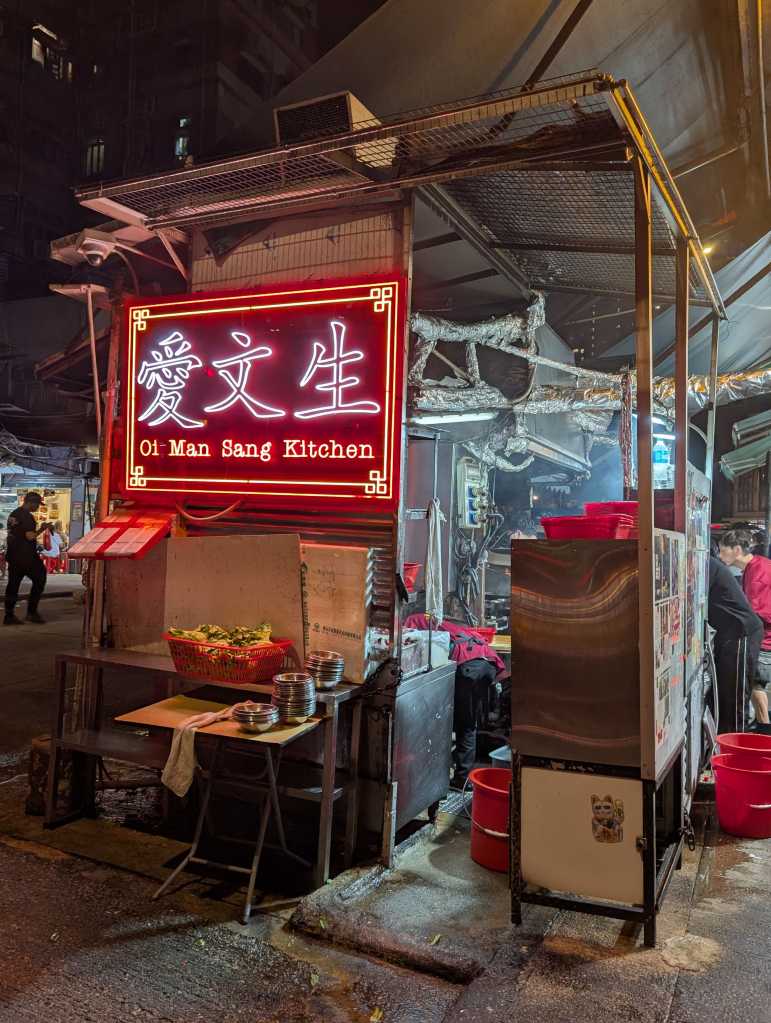
A few streetside dai pai dong eateries are holding out, and I encourage you to pay a visit! I had so much fun at this dining experience. We waited expectantly until nightfall, and made our way to the location of Oi Man Sung. Just rounding the bend onto the correct street, we were hit with a physical wave of wok hei smoke. A small army of metal carts came into view, arranged together to form a large outdoor cooking station. It’s a cacophony of sights, sounds, and smells. We took in the absolute roar of the kerosene-fueled fires, the tinny clanging of wok to stove, sizzle of searing meat, and every now and then an airy whoosh when the oil in the wok was stirred and expertly caught fire.
After our meal, we stood and watched a mesmerizing show of meals being prepared in the organized chaos of this outdoor kitchen. One person prepares the raw ingredients for each dish as it’s ordered. The main chef, working the wok, knows what dish to make based on this collection of ingredients and sets the magic in motion. The roaring heat of the wok is unmatchable. Various dishes, from meat to seafood to veggies, were cooked in a matter of seconds. This heat and the resultant wok hei flavor it imparts is the reason why these dishes will never taste as good at home as they do at a dai pai dong.



 RoxReels
Leave a comment